Alpine Village Beneath Grossglockner
Heiligenblut – Nestled at the foot of Austria’s highest mountain, Heiligenblut is one of the most picturesque villages in the Austrian Alps. With its iconic church spire, dramatic mountain backdrop, crystal-clear rivers, and access to some of the country’s most spectacular hiking routes, this charming destination offers an unforgettable blend of nature, culture, and adventure.
Located in the Carinthia region, Heiligenblut attracts travelers throughout the year. During summer, visitors come for hiking, cycling, and scenic drives, while winter transforms the village into a peaceful alpine ski destination. Despite its growing popularity, Heiligenblut has managed to preserve its authentic Austrian character, making it a perfect escape for travelers seeking tranquility and breathtaking scenery.
Whether you are planning a road trip through the Alps, looking for outdoor adventures, or simply hoping to enjoy traditional Austrian mountain life, Heiligenblut deserves a place on your travel itinerary.
Where Is Heiligenblut?
Heiligenblut is located in the state of Carinthia in southern Austria, close to the border with Salzburg and Tyrol. The village sits at an elevation of approximately 1,300 meters and lies within the stunning Hohe Tauern National Park.
Most visitors know Heiligenblut as the gateway to the famous Grossglockner High Alpine Road, one of Europe’s most scenic mountain routes. Thanks to its strategic location, the village provides easy access to glaciers, alpine meadows, waterfalls, and some of Austria’s most spectacular mountain landscapes.
Although Heiligenblut feels wonderfully remote, it is accessible by car from major Austrian cities such as Salzburg, Innsbruck, and Vienna.
The Story Behind the Name Heiligenblut
The name Heiligenblut translates to “Holy Blood,” and it is linked to one of Austria’s most fascinating legends.
According to local tradition, a Danish prince named Briccius was carrying a sacred relic containing the blood of Christ. While traveling through the Alps, he was caught in an avalanche and lost his life. However, the relic was later discovered and became a revered religious treasure.
As a result, a church was built on the site, and the village eventually became an important pilgrimage destination. Even today, the legend remains deeply connected to the identity of Heiligenblut and continues to attract visitors interested in history and culture.
Read also – St. Wolfgang Travel Guide: All You Need To Know Through Austria’s Lakeside Gem
Why Visit Heiligenblut?
Many Austrian villages offer beautiful scenery, but Heiligenblut stands out for several reasons.
First, the village enjoys one of the most dramatic settings in the country. Towering peaks surround the area, while the mighty Grossglockner dominates the horizon.
Second, it serves as an excellent base for exploring Hohe Tauern National Park. From easy walks to challenging mountain hikes, outdoor enthusiasts will find endless opportunities to connect with nature.
Additionally, Heiligenblut remains relatively peaceful compared to some of Austria’s more famous tourist destinations. Therefore, visitors can enjoy authentic alpine experiences without overwhelming crowds.
Finally, the combination of natural beauty, cultural heritage, and year-round activities makes Heiligenblut suitable for all types of travelers.
Read also – Zell am See: Complete Travel Guide to Austria’s Alpine Paradise
The Famous Church of Heiligenblut
A Landmark of the Austrian Alps – Heiligenblut
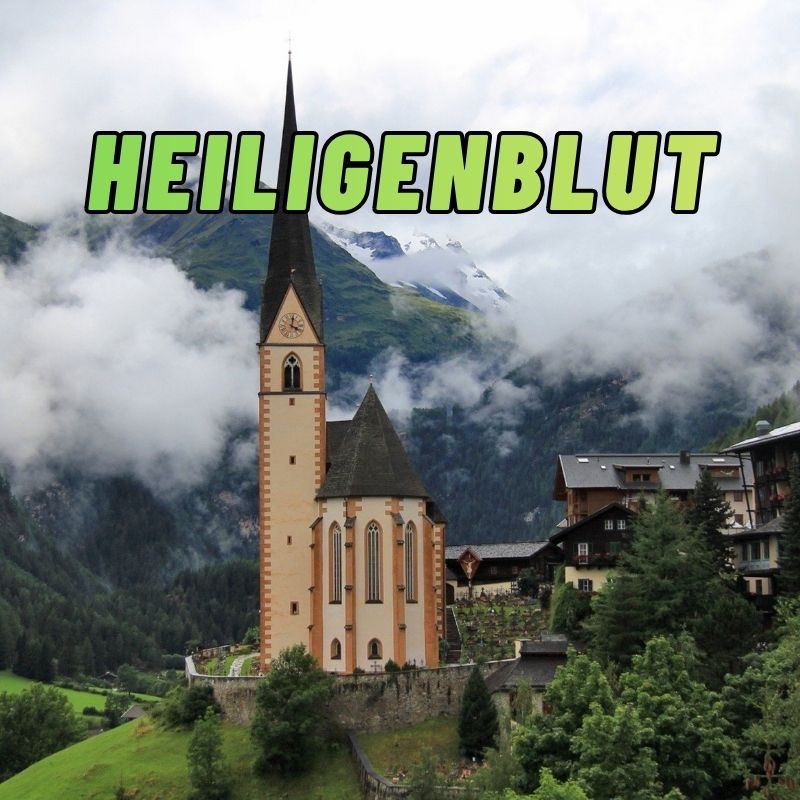
The most recognizable symbol of Heiligenblut is the striking Gothic church known as St. Vincent Church.
Its elegant spire rises above the village, creating one of Austria’s most photographed landscapes. When the church is framed against the snow-covered Grossglockner, the result is a scene that looks almost unreal.
Built during the 15th century, the church remains an important religious and historical monument. Inside, visitors can admire beautiful Gothic architecture, intricate carvings, and centuries-old artwork.
Photography Opportunities – Heiligenblut
Photographers from around the world visit Heiligenblut specifically to capture images of the church.
Sunrise and sunset are particularly magical times when soft alpine light illuminates the church and surrounding peaks. During winter, fresh snow adds even more charm to the landscape.
As a result, the church has become one of Austria’s most iconic travel photography locations.
Read also – Alpbach Austria: Peaceful Alpine Village is All You Need
Grossglockner: Austria’s Highest Mountain
An Alpine Giant
Standing at 3,798 meters, Grossglockner is the highest mountain in Austria.
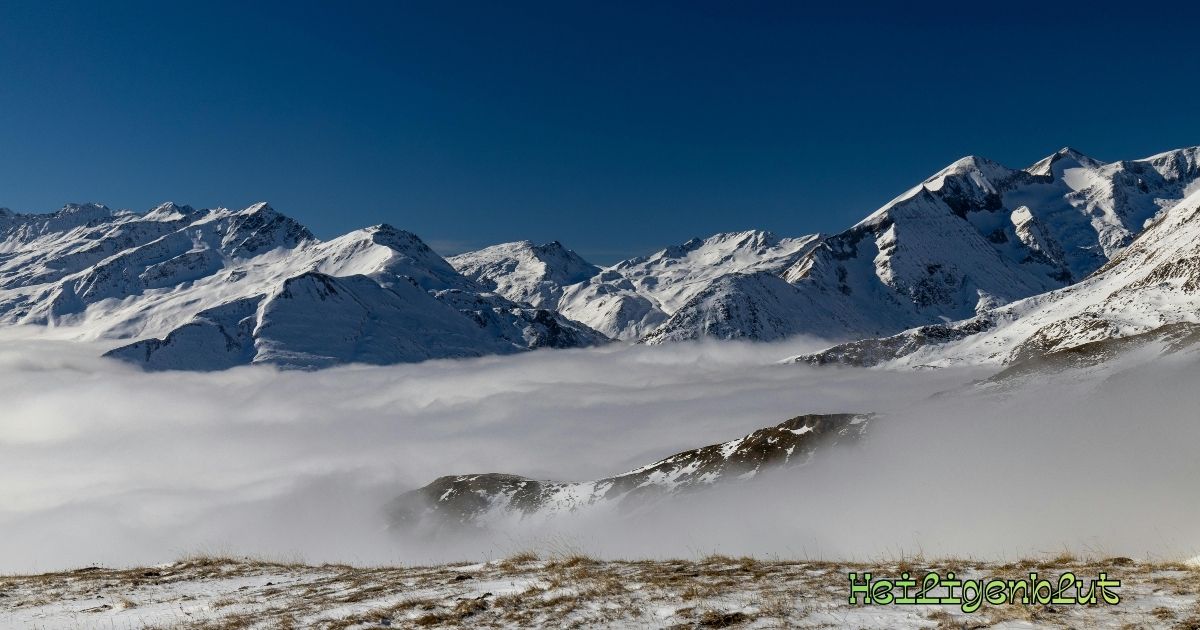
Visible from many parts of Heiligenblut, this majestic peak dominates the skyline and creates a dramatic backdrop for the village. Its glaciers, rugged cliffs, and snowfields attract climbers and mountaineers from across Europe.
Even if you are not an experienced climber, simply viewing Grossglockner from the village is an unforgettable experience.
The Relationship Between Heiligenblut and Grossglockner
For centuries, Heiligenblut has served as a starting point for expeditions into the Grossglockner region.
Today, guides lead visitors on mountain adventures ranging from beginner hikes to advanced alpine climbs. Consequently, the village remains an important center for outdoor tourism.
Driving the Grossglockner High Alpine Road
One of Europe’s Most Scenic Roads – Heiligenblut
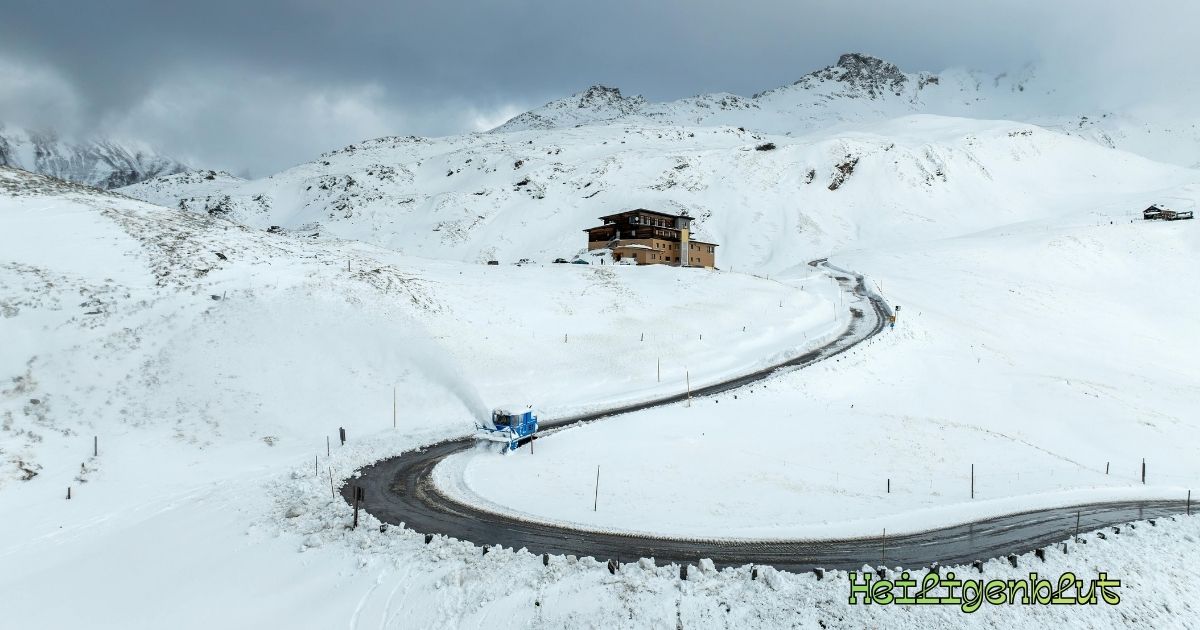
The Grossglockner High Alpine Road is widely regarded as one of the most beautiful drives in Europe.
Stretching for nearly 50 kilometers, the route winds through mountain passes, alpine meadows, glaciers, and breathtaking viewpoints.
Every turn reveals another spectacular panorama, making the journey an attraction in itself rather than simply a means of transportation.
Highlights Along the Route
Several scenic stops deserve special attention.
Visitors can enjoy panoramic observation decks, wildlife viewing areas, educational exhibits, and glacier viewpoints. The road also offers opportunities to spot marmots, ibex, and golden eagles.
Because of its remarkable scenery, many travelers rank the Grossglockner High Alpine Road among the highlights of their Austrian vacation.
Exploring Hohe Tauern National Park
Austria’s Largest National Park
Heiligenblut sits within Hohe Tauern National Park, the largest protected natural area in Austria.
The park covers thousands of square kilometers and contains glaciers, waterfalls, forests, alpine lakes, and impressive mountain ranges.
Consequently, it offers endless opportunities for outdoor exploration.
Rich Biodiversity – Heiligenblut
The national park is home to a diverse range of wildlife.
Visitors may encounter chamois, marmots, red deer, ibex, and numerous bird species. Nature lovers often spend hours observing animals in their natural habitat.
Furthermore, seasonal wildflowers create vibrant colors across alpine meadows during the summer months.
Best Hiking Trails in Heiligenblut
Family-Friendly Walks
Not every trail requires advanced fitness.
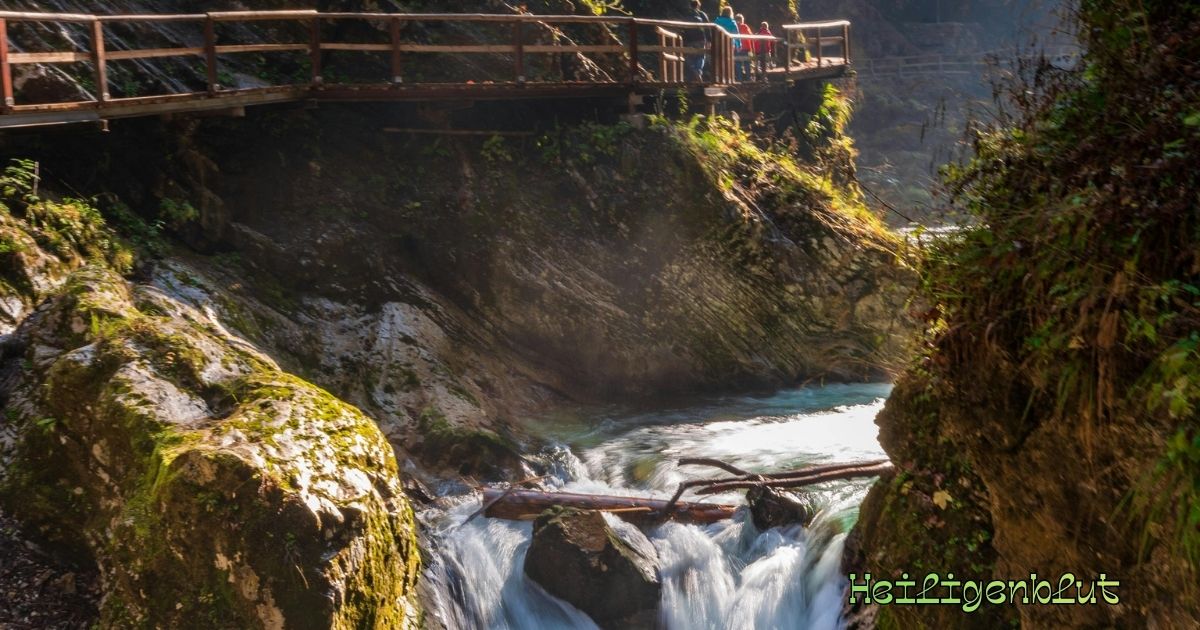
Several easy walking paths near the village provide stunning views while remaining suitable for families and casual hikers.
These routes often pass through forests, meadows, and traditional alpine farms, creating a relaxing outdoor experience.
Intermediate Hiking Adventures
For travelers seeking a greater challenge, numerous moderate trails lead deeper into the mountains.
These routes often include panoramic viewpoints, mountain huts, and alpine lakes. Along the way, hikers can enjoy peaceful surroundings and incredible photo opportunities.
Read also – Hallstatt Village Austria: A Complete Travel Guide to the Fairytale Lakeside Destination
Challenging Alpine Routes – Heiligenblut
Experienced hikers will discover a variety of demanding mountain trails.
Some routes involve significant elevation gains and lead toward glaciers or high-altitude ridges. Therefore, proper preparation and suitable equipment are essential.
The rewards, however, include some of Austria’s most spectacular alpine scenery.
Mountain Biking Around Heiligenblut
Scenic Cycling Routes – Heiligenblut
Mountain biking has become increasingly popular in the region.
A network of trails allows cyclists to explore forests, valleys, and mountain slopes while enjoying extraordinary views.
Whether you prefer gentle rides or demanding climbs, the area offers routes for different skill levels.
E-Bike Adventures
In recent years, e-bikes have made the mountains more accessible to a wider range of visitors.
Many travelers now use electric bicycles to reach scenic viewpoints that would otherwise require strenuous climbs.
As a result, cycling tourism continues to grow in Heiligenblut.
Visiting Heiligenblut in Summer
Pleasant Temperatures – Heiligenblut
Summer is one of the most popular seasons to visit.
Temperatures remain comfortable, making outdoor activities enjoyable throughout the day. At the same time, higher elevations provide refreshing mountain air.
Endless Outdoor Activities – Heiligenblut
Visitors can spend their days hiking, cycling, sightseeing, photography, and wildlife watching.
Moreover, mountain huts offer opportunities to rest while enjoying traditional Austrian food and panoramic views.
Because of the long daylight hours, summer allows travelers to make the most of every day.
Visiting Heiligenblut in Autumn
Colorful Alpine Landscapes
Autumn transforms the mountains into a vibrant display of gold, orange, and red.
The forests surrounding Heiligenblut become particularly beautiful, attracting photographers and nature enthusiasts.
Fewer Tourists – Heiligenblut
Another advantage of autumn is the quieter atmosphere.
Since summer crowds begin to disappear, visitors can enjoy hiking trails and viewpoints with greater peace and tranquility.
Consequently, many travelers consider autumn one of the best times to experience the village.
Winter in Heiligenblut
A Snow-Covered Wonderland
Winter turns Heiligenblut into a magical alpine destination.
Snow blankets the rooftops, forests, and mountains, creating postcard-perfect scenery throughout the region.
The iconic church becomes especially beautiful when surrounded by fresh snow.
Skiing and Snowboarding
The Grossglockner-Heiligenblut ski area offers a variety of slopes suitable for beginners and experienced skiers alike.
Visitors can enjoy well-maintained pistes, modern lifts, and impressive mountain views.
Unlike larger ski resorts, Heiligenblut often provides a more relaxed and authentic atmosphere.
Winter Activities Beyond Skiing
Even non-skiers will find plenty to enjoy.
Popular winter activities include snowshoeing, winter hiking, sledding, and scenic photography.
Therefore, the village appeals to a wide range of winter travelers.
Read also – Most Beautiful Villages in Austria You Need to Visit
Traditional Austrian Culture
A Village That Preserves Its Heritage
Despite modern tourism, Heiligenblut remains deeply connected to its traditions.
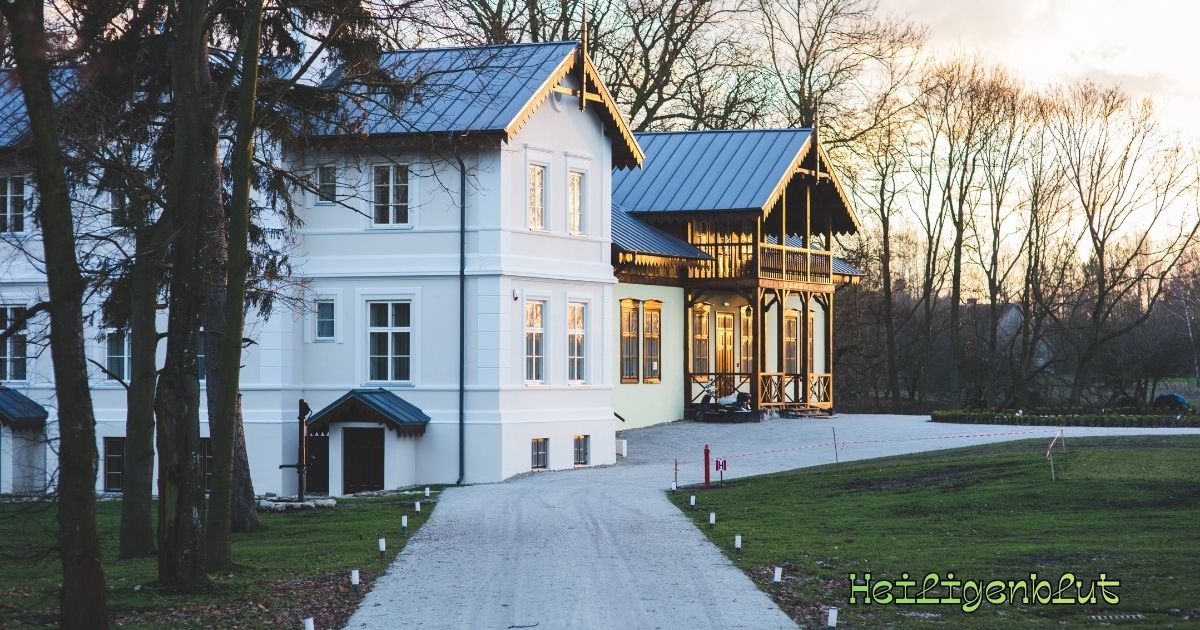
Visitors can observe authentic alpine architecture, local customs, and traditional festivals throughout the year.
This cultural authenticity contributes significantly to the village’s charm.
Seasonal Celebrations – Heiligenblut
Various local events celebrate religious traditions, mountain heritage, and regional culture.
Also these gatherings often feature folk music, traditional costumes, and local cuisine, providing valuable insight into Austrian mountain life.
Local Food to Try
Hearty Alpine Cuisine
The cuisine of Heiligenblut reflects the traditions of the Austrian Alps.
Meals are often rich, satisfying, and designed to provide energy for mountain activities.
Popular dishes include schnitzel, goulash, dumplings, and roasted meats.
Traditional Desserts – Heiligenblut
Visitors with a sweet tooth should not miss Austrian desserts.
Apple strudel, Kaiserschmarrn, and homemade cakes are commonly served in mountain huts and village restaurants.
Also paired with Austrian coffee, these treats offer a delicious way to relax after a day of exploring.
Read also – Best Villages in Europe: Beautiful Hidden Gems to Visit
Best Photography Spots in Heiligenblut
The Church Viewpoint
The classic image of Heiligenblut features St. Vincent Church with Grossglockner rising behind it.
This viewpoint remains the most famous photography location in the region.
Grossglockner High Alpine Road
Numerous viewpoints along the road provide dramatic landscapes filled with mountains, glaciers, and winding roads.
So photographers frequently stop here to capture unforgettable alpine scenes.
Mountain Trails
Many hiking routes offer elevated perspectives over valleys, forests, and distant peaks.
As a result, even short hikes can lead to remarkable photo opportunities.
Read also – Hidden Coastal Villages in Europe: Slow Travel Gems You’ll Fall in Love With
Day Trips from Heiligenblut
Franz Josef Glacier Viewpoints – Heiligenblut
Several glacier observation areas can be reached from the Grossglockner High Alpine Road.
These locations allow visitors to experience Austria’s impressive glacial landscapes up close.
Alpine Lakes
The surrounding mountains contain numerous crystal-clear lakes.
Many of these lakes can be reached by hiking trails and offer peaceful settings for relaxation and photography.
Scenic Mountain Passes
Travelers exploring the region by car can discover additional mountain roads and panoramic routes that showcase the beauty of the Austrian Alps.
Travel Tips for Visiting Heiligenblut
Bring Layers – Heiligenblut
Mountain weather can change quickly, even during summer.
Therefore, dressing in layers helps ensure comfort throughout the day.
Start Early
Popular viewpoints and hiking trails are often quieter during the morning.
Additionally, early starts provide better lighting conditions for photography.
Respect Nature
As part of a protected national park region, visitors should follow marked trails and respect local wildlife.
By doing so, future generations can continue enjoying this extraordinary alpine environment.
Allow Extra Time
Although Heiligenblut may appear small on a map, the surrounding region offers countless attractions.
Consequently, many travelers discover that a longer stay allows them to fully appreciate everything the area has to offer.
Conclusion
Heiligenblut is far more than just a beautiful mountain village. Nestled beneath the towering Grossglockner and surrounded by the breathtaking landscapes of Hohe Tauern National Park, it offers a perfect combination of natural beauty, outdoor adventure, and authentic Austrian charm. From scenic hiking trails and unforgettable alpine drives to cultural landmarks and traditional cuisine, every corner of the village invites travelers to slow down and appreciate the wonders of the Austrian Alps.
Whether you visit during the vibrant summer months, the colorful autumn season, or the snow-covered winter period, Heiligenblut delivers memorable experiences throughout the year. Its peaceful atmosphere, stunning scenery, and rich heritage make it one of Austria’s most rewarding destinations for nature lovers, photographers, families, and adventure seekers alike. For anyone planning an alpine getaway, Heiligenblut is a place that truly captures the magic of Austria.
Frequently Asked Questions
Heiligenblut is a picturesque alpine village in the state of Carinthia, southern Austria. It lies at the foot of Grossglockner, Austria’s highest mountain, and serves as a gateway to Hohe Tauern National Park.
Heiligenblut is best known for its iconic Gothic church, stunning views of Grossglockner, and its connection to the Grossglockner High Alpine Road. The village is also popular for hiking, skiing, and alpine photography.
The best time to visit depends on your interests. Summer is ideal for hiking and scenic drives, autumn offers colorful landscapes and fewer crowds, while winter is perfect for skiing and enjoying snowy alpine scenery.
Yes, Heiligenblut is considered one of Austria’s most beautiful mountain villages. Its breathtaking location, outdoor activities, cultural heritage, and peaceful atmosphere make it a worthwhile destination for travelers of all ages.
Most visitors spend 2–4 days in Heiligenblut to explore the village, drive the Grossglockner High Alpine Road, enjoy hiking trails, and experience the natural beauty of the surrounding mountains.