

Haneda Airport and Its Proximity to Tokyo
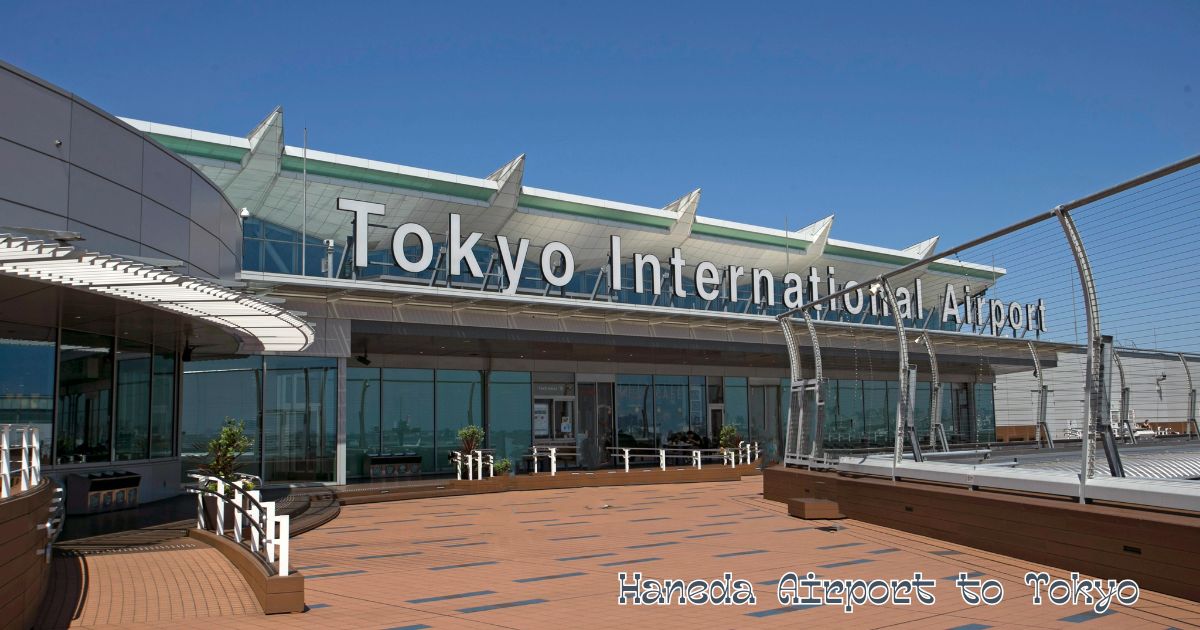
When you land at Haneda Airport, you immediately notice one major advantage compared to many other global airports: location. Unlike Narita International Airport, which sits far outside the city, Haneda lies just about 15 kilometers south of central Tokyo. Because of this strategic position, travelers can reach the city center quickly, efficiently, and without spending a fortune. This makes Haneda the preferred choice for both business travelers and tourists who want to maximize their time exploring Japan rather than commuting.
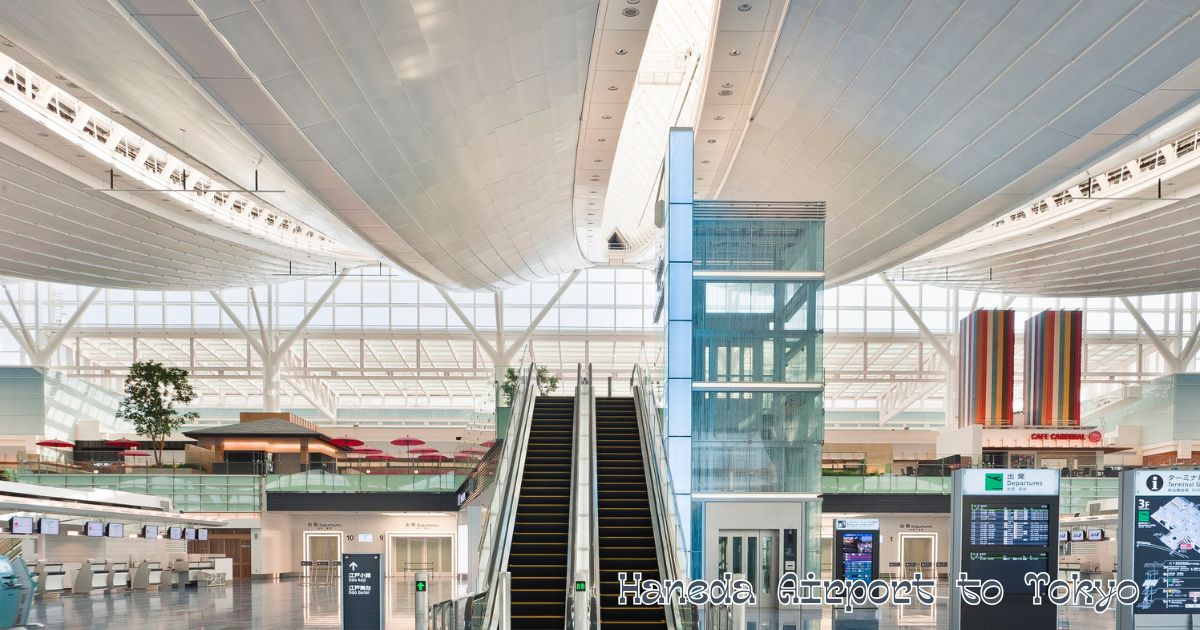
As soon as you exit the plane, you step into a well-organized and modern airport environment. Clear signage in both Japanese and English helps you navigate effortlessly. Moreover, transportation options are conveniently located near arrival halls, which means you won’t waste time searching for your next connection. Whether you prefer trains, buses, taxis, or private transfers, Haneda offers something for every budget and travel style.
Additionally, the airport operates 24 hours a day, which is a huge benefit if you arrive late at night or depart early in the morning. Many transportation services adjust their schedules accordingly, ensuring that you can still reach Tokyo even during off-peak hours. Because of this flexibility, you can plan your itinerary without worrying about being stranded.
Another key advantage is the seamless integration of Haneda with Tokyo’s extensive public transportation network. Trains connect directly to major districts like Shinjuku, Shibuya, and Asakusa, while buses provide direct routes to hotels and popular landmarks. As a result, even first-time visitors can feel confident navigating their way into the city.
In short, getting from Haneda Airport to Tokyo is not just easy—it’s part of the overall travel experience. With multiple options available, you can choose the one that fits your schedule, comfort level, and budget perfectly.
Why Choosing the Right Transport Option Matters
Although Haneda Airport offers many transportation choices, selecting the right one can significantly impact your overall travel experience. At first glance, all options may seem similar, but each comes with its own advantages depending on your priorities such as time, cost, comfort, and convenience. Therefore, understanding these differences before you travel can save you both money and stress.
For example, if you are traveling on a tight schedule, trains like the Tokyo Monorail or Keikyu Line provide the fastest routes into the city. On the other hand, if you have heavy luggage or prefer a direct ride to your hotel, airport limousine buses might be a better fit. Meanwhile, taxis and private transfers offer door-to-door convenience but come at a higher price. Because of these variations, your decision should align with your personal travel needs.
Furthermore, Tokyo is a massive city with multiple districts spread out across a wide area. Where you stay whether it’s Shinjuku, Ginza, or Ueno can influence which transport option is most efficient. For instance, some train lines connect directly to specific areas, while buses may offer more direct routes without transfers. Therefore, planning ahead ensures you avoid unnecessary detours or complicated transfers after a long flight.
Read also – Best Airlines for Long Flights: Comfort, Service, and Value
Haneda Airport to Tokyo
Another important factor to consider is the time of arrival. While trains are highly efficient during the day, late-night arrivals may limit your options. In such cases, buses or taxis might be the only available choices. As a result, checking schedules in advance becomes essential, especially if you land outside regular operating hours.
In addition, budget-conscious travelers often prioritize cost over convenience. Fortunately, Tokyo’s public transport system is both affordable and reliable. However, premium options like taxis or private cars can quickly increase your travel expenses. Therefore, balancing cost and comfort is key when making your decision.
Ultimately, choosing the right transportation from Haneda Airport to Tokyo sets the tone for your entire trip. By selecting the option that best suits your needs, you ensure a smooth, stress-free start to your journey in one of the world’s most exciting cities.
Overview of Transportation Options from Haneda Airport
Travelers arriving at Haneda Airport have access to a wide range of transportation options, each designed to cater to different needs and preferences. Because Tokyo is known for its efficiency and innovation, you can expect every option to be reliable, punctual, and well-organized. However, understanding the basics of each choice helps you decide which one fits your travel style best.
First, trains are among the most popular and efficient ways to reach Tokyo. The Tokyo Monorail connects the airport directly to Hamamatsucho Station, where you can transfer to the JR Yamanote Line. Meanwhile, the Keikyu Line offers direct access to areas like Shinagawa and even connects to subway lines heading into central Tokyo. These options are fast, affordable, and ideal for travelers who want to avoid traffic.
Next, airport limousine buses provide a convenient alternative, especially if you prefer a direct route to your hotel. These buses operate routes to major districts and hotels across Tokyo, eliminating the need for transfers. Additionally, they offer comfortable seating and luggage storage, making them a great option for families or travelers with large suitcases.
Taxis are another available option, offering maximum convenience with door-to-door service. Although they are more expensive than trains or buses, they are ideal for late-night arrivals or travelers who prioritize comfort. Similarly, private transfers provide a premium experience with pre-booked vehicles and fixed pricing, which can be especially helpful for first-time visitors.
Haneda Airport to Tokyo
For those seeking flexibility, car rentals are also available at Haneda Airport. However, driving in Tokyo can be challenging due to traffic and navigation complexities, so this option is less common among tourists.
Finally, rideshare services and hotel shuttles may also be available depending on your accommodation. While not as widely used as trains or buses, they can still offer convenient alternatives in certain situations.
Overall, the variety of transportation options ensures that every traveler can find a suitable way to reach Tokyo. By understanding these choices, you can confidently plan your journey and start exploring the city without unnecessary delays.
Read also – Aruba Travel Guide 2026: Best Beaches, Hidden Gems & Insider Tips
Key Travel Tips Before Leaving the Airport
Before you leave Haneda Airport, taking a few simple steps can make your journey to Tokyo much smoother. Although transportation is efficient, preparation ensures that you avoid confusion and save valuable time upon arrival. Therefore, it’s worth spending a few extra minutes organizing everything before heading out.
First, consider purchasing an IC card such as Suica or Pasmo. These rechargeable cards allow you to use trains, buses, and even convenience stores without buying individual tickets. Because they are widely accepted across Tokyo, they simplify your travel experience significantly. You can easily purchase them at vending machines or service counters inside the airport.
Next, ensure that you have access to mobile internet. Whether you choose a SIM card or portable Wi-Fi, staying connected helps you navigate routes, check schedules, and communicate if needed. Since Tokyo’s transport system is extensive, having real-time directions can be incredibly helpful, especially for first-time visitors.
Additionally, take time to check the route to your accommodation. Knowing which station or stop is closest to your hotel allows you to choose the most efficient transport option. Moreover, it helps you avoid unnecessary transfers or long walks with luggage.
Haneda Airport to Tokyo
Currency is another important factor. While Japan is increasingly card-friendly, some transportation services still prefer cash. Therefore, withdrawing Japanese yen at the airport ensures you are prepared for any situation. ATMs and currency exchange counters are conveniently located throughout Haneda.
It’s also helpful to look at transport schedules, particularly if you arrive late at night. Some train lines stop operating around midnight, so planning ahead prevents unexpected delays. In such cases, you may need to rely on buses or taxis instead.
Lastly, don’t hesitate to ask for assistance. Airport staff are known for their friendliness and professionalism, and many speak English. If you feel unsure, simply asking for help can quickly point you in the right direction.
By following these simple tips, you set yourself up for a smooth and stress-free journey from Haneda Airport to Tokyo. In the next part, we will explore train options in detail, including routes, prices, and travel times.
Tokyo Monorail: The Fastest Scenic Route to Central Tokyo
One of the most popular and efficient ways to travel from Haneda Airport to central Tokyo is by using the Tokyo Monorail. This option stands out because it combines speed, affordability, and a surprisingly scenic introduction to the city. As soon as you board, you begin a smooth ride that takes you directly to Hamamatsucho Station in approximately 13 to 20 minutes, depending on the service type.
The Tokyo Monorail offers several train categories, including Local, Rapid, and Haneda Express. While Local trains stop at every station, Rapid and Express services skip certain stops, allowing you to reach your destination faster. Therefore, if you are in a hurry, choosing an Express train can save valuable minutes. Trains typically run every 4 to 10 minutes, which means you rarely have to wait long, even during off-peak hours.
Once you arrive at Hamamatsucho Station, you can easily transfer to the JR Yamanote Line, one of Tokyo’s most important train lines. This loop line connects major districts such as Shinjuku, Shibuya, and Ueno, making it incredibly convenient for travelers heading to popular areas. Because of this seamless connection, the monorail is often the top choice for first-time visitors.
In terms of cost, the Tokyo Monorail is budget-friendly. A one-way ticket typically costs around 500 to 700 yen, depending on your destination. If you are using an IC card like Suica or Pasmo, you can simply tap in and out without worrying about purchasing tickets. This adds an extra layer of convenience, especially after a long flight.
Haneda Airport to Tokyo
Another advantage is luggage space. While trains in Tokyo can get crowded, the monorail is designed with travelers in mind, offering designated areas for suitcases. Additionally, the ride itself provides glimpses of Tokyo Bay and the city skyline, giving you a memorable first impression of Japan.
Overall, the Tokyo Monorail strikes a perfect balance between speed, cost, and ease of use. For many travelers, it serves as the ideal introduction to Tokyo’s world-class transportation system.
Read also – Maldives Overwater Bungalows: The Ultimate Dream Escape
Keikyu Line: Direct Access to Major Tokyo Hubs
Another excellent train option from Haneda Airport is the Keikyu Line. This line provides direct access to key areas in Tokyo and is particularly convenient for travelers heading toward Shinagawa, Asakusa, or even Yokohama. Because of its extensive connections, the Keikyu Line is often considered one of the most versatile transport options available.
The Keikyu Airport Line connects directly to Shinagawa Station in as little as 11 to 15 minutes. From there, you can transfer to major JR lines, including the Shinkansen (bullet train), which is ideal if you plan to travel beyond Tokyo. Additionally, some Keikyu trains continue directly onto the Toei Asakusa Subway Line, allowing you to reach destinations like Asakusa and Ginza without changing trains. This through-service is especially helpful for travelers who want to avoid multiple transfers.
Trains on the Keikyu Line run frequently, usually every few minutes throughout the day. Similar to the Tokyo Monorail, you can choose between different service types, such as Local, Limited Express, and Airport Express. Faster services skip certain stations, helping you reach central Tokyo more quickly. Therefore, checking the train type before boarding can save you time.
In terms of pricing, the Keikyu Line is slightly cheaper than the monorail, with fares typically starting from around 300 to 500 yen. This makes it an attractive option for budget travelers who still want a fast and efficient journey. Moreover, IC cards like Suica and Pasmo are fully compatible, allowing for seamless travel without the need for paper tickets.
Read also – Best Places to Visit in Italy: A Complete Travel Guide
Haneda Airport to Tokyo
The trains themselves are clean, comfortable, and designed for urban commuting. While they may not offer as much dedicated luggage space as the monorail, they are still manageable if you travel outside peak hours. Additionally, clear announcements in English make navigation easy, even for first-time visitors.
Overall, the Keikyu Line offers a powerful combination of affordability, speed, and connectivity. If your destination aligns with its routes, it can be one of the most convenient ways to travel from Haneda Airport to Tokyo.
Read also – Talea Beach Hotel: Relaxing Escape on the Coast of Crete
Comparing Monorail vs Keikyu Line: Which One Should You Choose?
When deciding between the Tokyo Monorail and the Keikyu Line, the best choice ultimately depends on your destination, budget, and travel preferences. Although both options are efficient and reliable, they serve slightly different purposes, which makes understanding their differences essential.
First, consider your final destination in Tokyo. If you are staying near areas connected by the JR Yamanote Line, such as Shinjuku or Shibuya, the Tokyo Monorail may be the more straightforward option. This is because it connects directly to Hamamatsucho Station, where transferring to the Yamanote Line is quick and easy. On the other hand, if your hotel is closer to Shinagawa or along the Asakusa subway line, the Keikyu Line might offer a more direct route with fewer transfers.
Next, think about travel time. Both options are fast, but the Keikyu Line can sometimes be slightly quicker, especially if you catch a Limited Express train. However, the difference is usually only a few minutes, so it may not be a deciding factor for most travelers.
Cost is another important consideration. Generally, the Keikyu Line is cheaper than the monorail, which makes it appealing for budget-conscious travelers. However, the price difference is relatively small, so convenience often outweighs cost when making a decision.
Read also – Iguazu Falls vs Niagara Falls: Which Natural Wonder Should You Visit?
Haneda Airport to Tokyo
Luggage is also worth considering. The Tokyo Monorail tends to be more spacious and traveler-friendly, with designated areas for suitcases. In contrast, Keikyu trains are more like typical commuter trains, which can feel crowded during peak hours. Therefore, if you are traveling with large luggage, the monorail might provide a more comfortable experience.
Finally, think about the overall experience. The monorail offers scenic views of Tokyo Bay, which can be a pleasant bonus after a long flight. Meanwhile, the Keikyu Line focuses more on direct, practical transportation.
In conclusion, both options are excellent, and you can’t go wrong with either. However, choosing the one that aligns best with your destination and travel style will ensure a smoother journey into Tokyo.
Using IC Cards and Navigating Tokyo’s Rail System
Navigating Tokyo’s rail system may seem overwhelming at first, but in reality, it is incredibly user-friendly once you understand the basics. One of the best tools to simplify your journey from Haneda Airport to Tokyo is the use of IC cards such as Suica or Pasmo. These rechargeable smart cards eliminate the need to purchase individual tickets, making travel faster and more convenient.
After purchasing an IC card at the airport, you can use it across almost all trains, buses, and even some taxis in Tokyo. Simply tap your card at the ticket gate when entering and exiting stations, and the fare is automatically deducted. Because of this simplicity, IC cards are highly recommended for both short-term visitors and long-term travelers.
In addition to convenience, IC cards help you avoid confusion when transferring between different train lines. Tokyo’s rail network includes multiple operators, such as JR East, private railways, and subway systems. While this might sound complicated, IC cards work seamlessly across all of them, allowing you to move freely without worrying about separate tickets.
Read also – Sunrise Ridge Resort: A Peaceful Escape Above the Ordinary
Haneda Airport to Tokyo
Another helpful tip is to use navigation apps like Google Maps. These apps provide real-time directions, platform information, and train schedules, which can be incredibly useful in a city as large as Tokyo. Moreover, station signs are clearly marked in English, and announcements are often bilingual, making it easier to follow your route.
If you ever feel lost, don’t hesitate to ask for help. Station staff are known for being polite and helpful, and many can assist you in English. Additionally, information counters are available at major stations, offering maps and guidance.
Finally, try to avoid peak hours if possible. Morning and evening rush hours can be extremely crowded, which may make traveling with luggage more challenging. Planning your journey during quieter times can significantly improve your experience.
By using IC cards and understanding the basics of Tokyo’s rail system, you can travel confidently and efficiently. In the next part, we will explore bus, taxi, and private transfer options to help you find the most comfortable way to reach your destination.
Read also – Hulukudi Betta: Discover Hidden Gem in Karnataka
Frequently Asked Questions
Haneda Airport is only about 15 km from Tokyo, making it one of the closest major airports to a city center in the world.
The fastest options are the Tokyo Monorail and the Keikyu Line, both reaching central Tokyo in around 15–20 minutes.
Yes, Haneda is directly connected by both the Tokyo Monorail and Keikyu Line, offering easy access to major districts and transfer lines.
Train fares usually range from about 300 to 700 yen depending on the route, making it a very affordable option compared to taxis or private transfers.
Most first-time travelers prefer trains like the Tokyo Monorail or Keikyu Line because they are fast, simple, and well-connected to the rest of Tokyo.
Conclusion
Traveling from Haneda Airport to Tokyo is one of the easiest airport transfers in the world, mainly because the airport is located so close to the city. Unlike more distant airports, Haneda gives you multiple fast, reliable, and affordable transport options right from the terminal, allowing you to start your trip smoothly without stress.
Among the most efficient choices, the Tokyo Monorail stands out for its speed and direct connection to central Tokyo via Hamamatsucho, while the Keikyu Line offers excellent value and direct access to major districts like Shinagawa and beyond. Both train options are highly recommended for first-time visitors because they are fast, well-organized, and easy to navigate, especially with IC cards like Suica or Pasmo.
If comfort and convenience are your top priorities, airport limousine buses provide a stress-free ride directly to hotels, while taxis and private transfers offer door-to-door service at a higher cost. These options are especially useful for late-night arrivals, families, or travelers with heavy luggage.
Overall, the best choice depends on your budget, destination, and travel style. However, for most travelers, trains remain the perfect balance of speed, cost, and efficiency. With clear signage, frequent departures, and excellent connectivity, Tokyo’s transport system ensures that your journey from Haneda into the city is smooth from the very first moment you arrive.
No matter which option you choose, your Tokyo adventure begins the moment you step out of the airport and getting into the city is just the first easy step.