

Two Iconic Waterfalls
Iguazu Falls vs Niagara Falls – When travelers dream about powerful waterfalls, two names instantly come to mind: Iguazu Falls and Niagara Falls. Although both destinations are globally famous, they offer completely different experiences. Therefore, choosing between them is not as simple as it may seem at first.
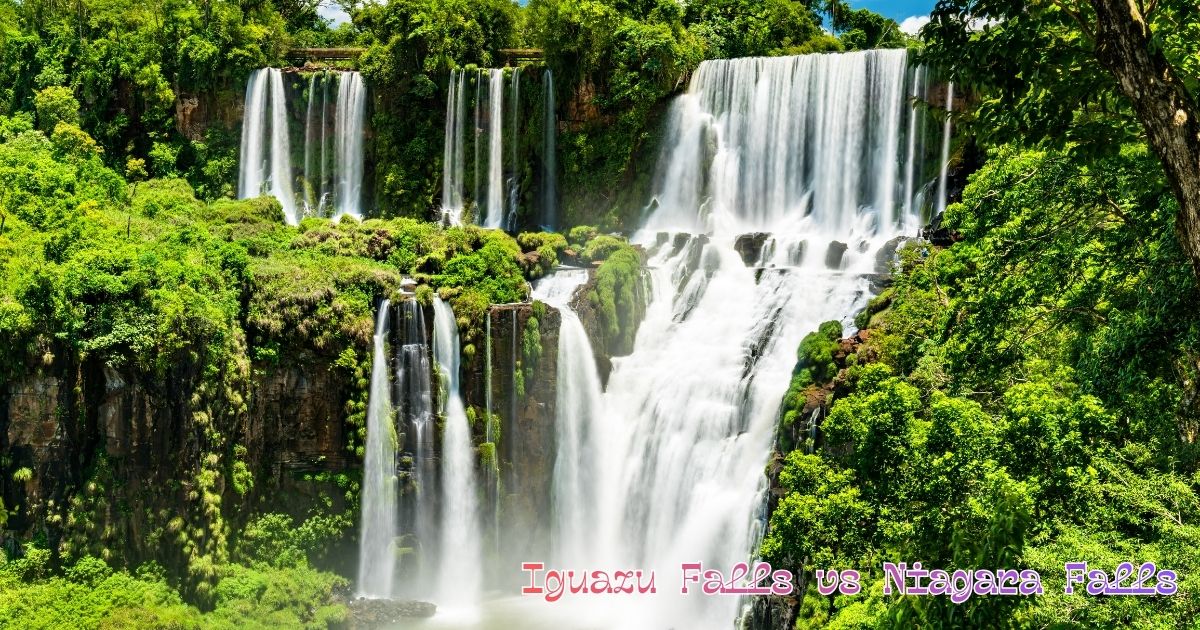
To begin with, Iguazu Falls sits deep within lush subtropical rainforest, straddling the border between Argentina and Brazil. It consists of hundreds of individual cascades stretching across nearly three kilometers. As a result, visitors often describe it as raw, untamed, and overwhelmingly powerful. On the other hand, Niagara Falls lies between the United States and Canada, surrounded by developed cities and tourist infrastructure. While it may not be as wide or wild as Iguazu, it delivers a dramatic and easily accessible spectacle that attracts millions every year.
Moreover, the overall atmosphere between the two differs significantly. Iguazu feels like an adventure into nature, where wildlife, humidity, and jungle sounds surround you at every step. In contrast, Niagara feels more like a vibrant tourist hub, filled with hotels, restaurants, and entertainment options. Because of this, your travel style will heavily influence your choice.
Additionally, both waterfalls hold unique records. Iguazu is often considered the largest waterfall system in the world, while Niagara is known for having one of the highest flow rates. Consequently, each offers a different kind of “wow factor.”
In the following sections, we will explore size, scenery, accessibility, and overall experience in detail. This way, you can decide which destination truly deserves a spot on your travel bucket list.
Size and Power – Which Waterfall Is More Impressive?
The Vast Scale of Iguazu Falls
First and foremost, Iguazu Falls stands out because of its sheer size and complexity. Unlike a single waterfall, Iguazu is a vast network of around 275 individual falls. These cascades spread across a massive area, creating a continuous curtain of water that feels almost endless. As you walk along the trails, the perspective constantly changes, which keeps the experience dynamic and exciting.
Furthermore, one of the most iconic sections is the “Devil’s Throat,” a U-shaped chasm where water crashes down with incredible force. The sound alone is enough to leave visitors speechless. In addition, the mist rises high into the air, often creating beautiful rainbows that enhance the magical atmosphere.
Because of its location within a national park, Iguazu also feels untouched and wild. You are not just looking at a waterfall; instead, you are immersed in a complete ecosystem. Monkeys, butterflies, and exotic birds frequently appear along the paths, adding another layer to the experience. Consequently, the size of Iguazu is not only measured in width and height but also in its surrounding natural richness.
Read also – Penukonda – A Timeless Fortress Town in Southern India
The Intensity of Niagara Falls – Iguazu Falls vs Niagara Falls
In contrast, Niagara Falls impresses visitors with its concentrated power. While it consists of three main sections Horseshoe Falls, American Falls, and Bridal Veil Falls it is much more compact compared to Iguazu. However, what it lacks in spread, it makes up for in force.
Every second, an enormous volume of water rushes over the edge, creating a thunderous roar that you can hear from far away. Because the falls are so close together, the energy feels focused and intense. As a result, visitors often describe Niagara as dramatic and electrifying rather than expansive.
Additionally, Niagara’s design allows you to get extremely close to the water. Boat tours, observation decks, and tunnels bring you face-to-face with the rushing falls. This proximity amplifies the sense of power and creates unforgettable moments.
Therefore, when comparing size and power, the difference becomes clear. Iguazu offers a vast and immersive natural wonder, while Niagara delivers a concentrated and powerful spectacle. Both are impressive, but they appeal to different senses and travel preferences.

Surroundings and Natural Beauty
Iguazu’s Jungle Paradise – Iguazu Falls vs Niagara Falls
Without a doubt, the environment surrounding Iguazu Falls plays a major role in its appeal. The falls are located within a protected rainforest, which means nature dominates every aspect of the experience. As you walk along the trails, dense greenery surrounds you, and the air feels warm and humid.
Moreover, the biodiversity in this region is extraordinary. Visitors often encounter colorful birds, coatis, and even rare species like toucans. Because of this, a trip to Iguazu feels like a combination of a waterfall visit and a wildlife adventure. In addition, the constant sound of insects and flowing water creates a calming yet powerful atmosphere.
Another important factor is the lack of urban development near the falls themselves. Although nearby towns exist, they do not overshadow the natural beauty. Consequently, you remain fully connected to nature throughout your visit.
Read also – Best Places to See Redwood Trees – A Complete Guide
Niagara’s Urban Energy
On the other hand, Niagara Falls offers a completely different setting. The falls are located between two developed cities: Niagara Falls, Ontario, and Niagara Falls, New York. As a result, the surrounding area is filled with hotels, casinos, restaurants, and entertainment attractions.
While some travelers may see this as a drawback, others appreciate the convenience and variety. For example, after visiting the falls, you can easily explore nightlife, dine at high-end restaurants, or enjoy family-friendly attractions. Therefore, Niagara provides a more versatile travel experience.
Additionally, the falls are beautifully illuminated at night, and fireworks shows often take place during peak seasons. These features add a unique charm that you will not find in more remote locations like Iguazu.
However, it is important to note that the urban environment can sometimes take away from the natural feeling. Unlike Iguazu, where nature is the main focus, Niagara blends natural beauty with modern tourism.
As a result, your preference will depend on what you value more. If you want a pure nature escape, Iguazu is the clear winner. Conversely, if you enjoy combining sightseeing with entertainment and convenience, Niagara Falls may be the better choice.
Getting to Iguazu Falls
Reaching Iguazu Falls requires a bit more planning, yet the journey itself often becomes part of the adventure. Most travelers arrive via flights to either Puerto Iguazú in Argentina or Foz do Iguaçu in Brazil. While both gateways are well connected to major cities like Buenos Aires and São Paulo, they are still relatively remote compared to more urban destinations. Therefore, you should expect at least one connecting flight if you are traveling internationally.
Once you arrive, transportation to the national parks is straightforward. Buses, taxis, and organized tours operate regularly, making it easy to access both the Argentine and Brazilian sides. However, because the falls sit on an international border, you may need to pass through immigration if you plan to visit both countries. As a result, carrying your passport at all times becomes essential.
In addition, exploring Iguazu itself involves a fair amount of walking. The park features well-maintained trails and train systems, yet distances between viewpoints can be long. Consequently, comfortable shoes and proper planning are necessary to fully enjoy the experience.
Despite these extra steps, many travelers find that the effort enhances the overall journey. The sense of reaching a remote natural wonder makes the experience more rewarding. Moreover, the less commercialized setting allows you to feel more connected to nature, which is a major advantage for those seeking an authentic escape.
Easy Access to Niagara Falls – Iguazu Falls vs Niagara Falls
In contrast, visiting Niagara Falls is incredibly convenient. Located within driving distance of major cities like Toronto and New York, the falls are easily accessible by car, bus, train, or even organized day tours. Because of this, many visitors choose Niagara as a short getaway rather than a long, planned trip.
Furthermore, infrastructure around the falls is highly developed. Hotels, restaurants, and attractions are all within walking distance, which simplifies your itinerary. You can arrive in the morning, explore the falls, and still have time for other activities in the evening. As a result, Niagara is ideal for travelers who prefer a hassle-free experience.
Another advantage is that most viewpoints require minimal physical effort to reach. Elevators, paved walkways, and viewing platforms make the falls accessible to people of all ages and fitness levels. Therefore, it is a great option for families, older travelers, or anyone looking for convenience.
Additionally, crossing between the United States and Canada is relatively simple, provided you have the necessary documents. This allows you to experience different perspectives of the falls without significant difficulty.
Overall, when it comes to accessibility, Niagara Falls clearly stands out. It offers ease, efficiency, and comfort, while Iguazu demands more time and effort but rewards you with a deeper sense of exploration.

Cost and Budget Considerations
Traveling on a Budget in Iguazu
Planning a trip to Iguazu Falls can vary significantly in cost, depending on your travel style. Flights to South America are often the biggest expense, especially if you are coming from Europe or North America. Therefore, booking in advance and searching for deals becomes essential to keep costs under control.
Once you arrive, however, daily expenses can be relatively affordable. Accommodation ranges from budget hostels to luxury jungle lodges, giving you plenty of options. Food and local transportation are also reasonably priced, particularly on the Argentine side. As a result, travelers can adjust their budget without sacrificing the experience.
Entrance fees to the national parks are another factor to consider. While they are not overly expensive, visiting both sides of the falls means paying twice. Additionally, guided tours and boat rides come at an extra cost, but they significantly enhance the experience.
Moreover, because Iguazu is more remote, you may need to spend at least two to three days there. This increases overall expenses but also allows you to fully explore the area. In many ways, Iguazu is not just a quick attraction it is a destination that requires time and investment.
Read also – How to Book a Hotel: A Complete Step-by-Step Guide
Budgeting for Niagara Falls – Iguazu Falls vs Niagara Falls
On the other hand, Niagara Falls offers a wide range of budget options, making it accessible to almost every type of traveler. One of its biggest advantages is that you can visit without spending a lot of money. In fact, simply viewing the falls from public areas is completely free.
Transportation costs are often lower as well, especially if you are already in North America. Many visitors arrive by car or take advantage of affordable day tours. Consequently, Niagara becomes a popular choice for short and budget-friendly trips.
However, it is important to note that additional attractions can quickly increase your expenses. Boat tours, observation decks, and entertainment venues all come with separate fees. Moreover, hotels with views of the falls tend to be more expensive, particularly during peak seasons.
Food and dining options also vary widely. While you can find budget-friendly meals, tourist areas often charge higher prices. Therefore, planning ahead can help you avoid unnecessary spending.
In conclusion, Niagara Falls is generally more flexible when it comes to budgeting. You can keep costs low or indulge in premium experiences depending on your preferences. Meanwhile, Iguazu typically requires a larger upfront investment but offers a more immersive and extended adventure.

Adventure and Exploration in Iguazu Falls – Iguazu Falls vs Niagara Falls
Visiting Iguazu Falls is not just about standing and observing it is about fully immersing yourself in nature. From the moment you enter the park, you are surrounded by trails, viewpoints, and unique ways to experience the waterfalls. Therefore, every step feels like part of an ongoing adventure rather than a simple sightseeing stop.
One of the most popular activities is walking along the extensive network of pathways on the Argentine side. These trails lead you above, below, and beside the waterfalls, constantly shifting your perspective. As a result, no two viewpoints feel the same. In addition, the ecological train inside the park helps visitors move between major areas, making exploration easier without losing the sense of wilderness.
For those seeking excitement, boat rides take you directly under the falls. These experiences are intense, as powerful currents and crashing completely soak you within seconds. Consequently, it becomes one of the most unforgettable highlights of the trip. Moreover, guided jungle tours allow you to discover hidden corners of the park, where wildlife and vegetation create a deeper connection to the environment.
Another key attraction is the Devil’s Throat, where you stand just meters away from one of the most powerful cascades in the world. The sheer force of the water, combined with the surrounding mist, creates an almost surreal experience. Because of this, Iguazu feels less like a tourist attraction and more like a natural phenomenon you actively participate in.
Entertainment and Variety at Niagara Falls
In contrast, Niagara Falls offers a broader mix of activities that combine natural beauty with entertainment. While the waterfalls remain the main attraction, the surrounding area provides countless additional experiences. Therefore, Niagara appeals to travelers who enjoy variety and convenience.
To begin with, the famous boat tours bring visitors close to the base of the falls, allowing them to feel the power of the المياه firsthand. Observation decks and tunnels, such as the Journey Behind the Falls, provide unique angles that make the experience even more engaging. As a result, you can explore the falls from multiple perspectives without much physical effort.
Beyond the natural attraction, Niagara features casinos, theme parks, museums, and lively streets filled with attractions. This creates an atmosphere similar to a resort destination. Consequently, visitors can easily fill several days with activities beyond the waterfalls themselves.
Additionally, nighttime experiences set Niagara apart. The falls are illuminated with colorful lights, and seasonal fireworks displays add a magical touch. These elements transform the destination into something completely different after sunset. Therefore, Niagara offers both daytime beauty and nighttime excitement.
Overall, while Iguazu focuses on raw nature and adventure, Niagara blends scenic views with entertainment and accessibility. Each destination provides memorable experiences, but they cater to different types of travelers.
Read also – Best Places to Visit in Asia: Complete Travel Guide
Which One Should You Choose? – Iguazu Falls vs Niagara Falls
Choosing Based on Travel Style
Deciding between Iguazu Falls and Niagara Falls ultimately depends on your travel preferences. Both destinations are extraordinary, yet they deliver completely different types of experiences. Therefore, understanding what you value most in a trip will help you make the right choice.
If you are someone who seeks adventure, nature, and a sense of escape, Iguazu is the better option. The vast rainforest, diverse wildlife, and massive waterfall system create an immersive environment that feels untouched and authentic. In addition, the need to explore different trails and viewpoints adds a sense of discovery. As a result, Iguazu appeals to travelers who enjoy deeper, more meaningful connections with nature.
On the other hand, if you prefer convenience, comfort, and a mix of attractions, Niagara Falls stands out. Its accessibility, developed infrastructure, and variety of activities make it easy to plan and enjoy. Moreover, the ability to combine sightseeing with entertainment, dining, and nightlife adds extra value to your trip. Consequently, Niagara is ideal for families, short vacations, or first-time travelers.
Budget and time also play an important role. Iguazu often requires a longer stay and higher travel costs, while Niagara can be visited even on a tight schedule and budget. Therefore, practical considerations may influence your decision just as much as personal preferences.
In the end, there is no universal winner. Instead, each waterfall offers a unique experience that caters to different types of travelers. Whether you choose the wild beauty of Iguazu or the vibrant energy of Niagara, you are guaranteed to witness one of nature’s most powerful displays.
Read also – Casting in Singapore: A Complete Guide for Aspiring Talent

Seasonal Changes at Iguazu Falls – Iguazu Falls vs Niagara Falls
Timing your visit to Iguazu Falls can significantly shape your overall experience. Because of its subtropical climate, Iguazu remains open and impressive throughout the year. However, each season offers a slightly different perspective, so choosing the right time depends on your preferences.
During the summer months, from December to February, the region experiences high temperatures and frequent rainfall. As a result, the waterfalls reach their most powerful state, with massive volumes of water cascading down. The scenery becomes dramatic and intense, yet the humidity can feel overwhelming. Therefore, while the falls look their most spectacular, you should be prepared for heat and sudden showers.
In contrast, the winter months, from June to August, bring cooler and more comfortable weather. The flow may decrease slightly, but visibility improves, making it easier to enjoy panoramic views. Additionally, fewer tourists visit during this period, which creates a more peaceful atmosphere. Consequently, winter becomes an excellent option for those who prefer спокойствие and relaxed exploration.
Spring and autumn serve as balanced alternatives. During these months, temperatures are moderate, and the water flow remains strong. Moreover, the surrounding appears vibrant and full of life. Because of this, many travelers consider these shoulder seasons the best time to visit Iguazu Falls.
Read also – Travel Insurance: Why It Matters More Than You Think
Experiencing Niagara Falls Throughout the Year
Similarly, Niagara Falls transforms dramatically with each season. Unlike Iguazu, Niagara experiences a more distinct four-season climate, which means your visit can feel completely different depending on the time of year.
Summer, from June to August, is the peak tourist season. Warm weather, extended daylight hours, and full access to attractions make this the most popular time to visit. Boat tours, observation decks, and развлечения operate at full capacity. However, large crowds and higher prices can affect the experience. Therefore, planning ahead becomes essential if you choose this period.
Autumn, on the other hand, offers a quieter and visually stunning alternative. The surrounding landscapes turn into shades of red, orange, and yellow, creating a picturesque setting. In addition, temperatures remain comfortable, making it ideal for walking and sightseeing. As a result, many travelers find autumn to be the perfect balance between beauty.
Winter brings a completely different charm. Freezing temperatures transform parts of the falls into icy formations, creating a magical and unique scene. Although some attractions close during this season, the reduced crowds and lower costs can be appealing. Consequently, winter is ideal for those seeking something необычно.
Spring marks the return of warmer weather and blooming nature. Water flow increases due to melting snow, and attractions gradually reopen. Therefore, spring becomes another great option for visiting Niagara Falls without the peak-season crowds.
Read also – Pee Pee Island: Exploring the Myths, Beauty, and Travel Secrets
Final Comparison Before You Decide
Strengths of Iguazu Falls – Iguazu Falls vs Niagara Falls
Without a doubt, Iguazu Falls stands out for its scale, natural beauty, and immersive environment. The combination of hundreds of cascades, dense rainforest, and abundant wildlife creates a truly unique experience. Furthermore, the ability to explore both the Argentine and Brazilian sides adds depth to your visit.
In addition, Iguazu offers a sense of adventure that few destinations can match. You are not just observing the waterfalls you are walking through them, feeling the mist, and hearing the мощь of nature up close. Because of this, it appeals strongly to travelers who seek authenticity and exploration.
Another advantage is the relatively untouched atmosphere. Unlike heavily commercialized destinations, Iguazu maintains a strong connection to nature. Therefore, it provides a more tranquil and meaningful travel experience.
Read also – Ekkamai Bus Terminal: Everything You Need to Know Before Your Trip

Strengths of Niagara Falls – Iguazu Falls vs Niagara Falls
Meanwhile, Niagara Falls excels in accessibility, convenience, and variety. Its location near major cities and well-developed make it one of the easiest natural wonders to visit. As a result, it attracts millions of visitors each year.
Moreover, Niagara offers a wide range of activities beyond the waterfalls themselves. From entertainment and dining to light shows and fireworks, there is always something to do. Consequently, it becomes more than just a sightseeing destination it becomes a complete travel experience.
Additionally, Niagara’s compact layout allows visitors to see and do a lot in a short amount of time. This makes it ideal for weekend trips or travelers with limited schedules. Therefore, it provides maximum value with minimal effort.
Ultimately, both waterfalls are extraordinary in their own ways. Your final decision should reflect your travel style, budget, and expectations. Whether you choose the wild of Iguazu or the dynamic energy of Niagara, you will experience one of the most breathtaking natural wonders in the world.
Frequently Asked Questions
Iguazu Falls is significantly larger than Niagara Falls. Iguazu consists of around 275 individual waterfalls spread across a vast area, while Niagara is more compact with three main sections. Therefore, Iguazu feels more expansive, while Niagara feels more concentrated and powerful.
For first-time travelers, Niagara Falls is usually the better choice due to its easy access, developed infrastructure, and variety of attractions. However, if you are comfortable with longer travel and want a more adventurous experience, Iguazu Falls can be even more rewarding.
Yes, Iguazu Falls is absolutely worth the journey. Although it requires more time and planning, the масштаб, natural beauty, and immersive rainforest setting make it one of the most breathtaking waterfall experiences in the world.
Yes, you can easily visit Niagara Falls in one day. Many travelers even take day trips from nearby cities like Toronto or New York. However, staying overnight allows you to enjoy nighttime illuminations and explore more attractions.
The best time to visit Iguazu Falls is during spring or autumn for balanced weather and strong water flow. Meanwhile, Niagara Falls is best visited in late spring, summer, or early autumn when most attractions are open and the weather is pleasant.
Conclusion
Choosing between Iguazu Falls and Niagara Falls ultimately comes down to the kind of travel experience you want to create. Throughout this comparison, it becomes clear that both waterfalls are extraordinary, yet they deliver very different emotions, environments, and memories.
On one hand, Iguazu Falls stands as a symbol of raw natural power and untouched beauty. Its network of waterfalls, surrounded by dense rainforest and rich wildlife, offers a deeply immersive journey into nature. Every քայլ you take reveals a new perspective, making the experience feel dynamic and alive. Moreover, the sense of from major cities enhances the feeling of adventure. Because of this, Iguazu is ideal for travelers who want more than just sightseeing they want to feel completely connected to the natural world.
On the other hand, Niagara Falls provides a powerful yet highly accessible experience. Its concentrated воден force, combined with modern infrastructure, allows visitors to enjoy breathtaking views without extensive planning or physical effort. In addition, the vibrant surroundings, entertainment options, and nighttime attractions create a lively and versatile destination. Therefore, Niagara becomes the perfect choice for those who value convenience, variety, and a well-rounded travel experience.
Budget, time, and travel style also play a crucial role in your decision. Iguazu often requires more planning, longer stays, and higher travel costs, yet it rewards you with depth and authenticity. Meanwhile, Niagara can be explored even on a short trip, making it practical and flexible for a wide range of travelers.
In the end, there is no definitive winner only the one that fits your personal travel vision. If you seek wild landscapes and unforgettable immersion, Iguazu Falls will exceed your expectations.