

Aruba: The One Happy Island
Aruba stands out as one of the most captivating Caribbean destinations, and it immediately draws travelers with its year-round sunshine, crystal-clear waters, and welcoming atmosphere. Located just off the coast of Venezuela, this small island forms part of the Dutch Caribbean, yet it offers a unique blend of European charm and Caribbean soul. Because Aruba lies outside the hurricane belt, visitors can confidently plan their trips at any time of the year without worrying about severe weather disruptions. As a result, it has become a reliable escape for travelers seeking both relaxation and adventure.
Moreover, Aruba’s slogan, “One Happy Island,” reflects its vibrant culture and friendly locals. From the moment you arrive, you notice the warm smiles, colorful architecture, and laid-back vibe that define everyday life here. In addition, the island’s diverse influences from Dutch to Latin American shape its cuisine, language, and traditions, creating a rich cultural experience that goes beyond typical beach vacations. While many travelers initially come for the beaches, they quickly discover that Aruba offers much more, including national parks, historic landmarks, and exciting water sports.
At the same time, Aruba caters to a wide range of travelers. Whether you are planning a romantic honeymoon, a family vacation, or a solo adventure, the island provides countless options to suit your needs. Luxury resorts line the famous Palm Beach, while quieter areas like Eagle Beach offer a more peaceful escape. Furthermore, the island’s compact size makes it easy to explore, allowing you to experience multiple attractions in just a few days.
Ultimately, Aruba is not just a destination; it is an experience that combines natural beauty, cultural richness, and modern comfort. As you continue reading, you will uncover everything that makes this island truly unforgettable.
Why Visit Aruba: Climate, Culture, and Accessibility
One of the strongest reasons to visit Aruba is its exceptional climate, which remains warm and sunny almost every day of the year. Unlike many Caribbean islands, Aruba experiences very little rainfall, which means you can plan beach days, outdoor tours, and excursions without constantly checking the forecast. Additionally, the cooling trade winds prevent the heat from becoming overwhelming, creating a comfortable environment even during the hottest months.
Beyond its weather, Aruba’s culture plays a major role in its appeal. The island is home to a diverse population, and this diversity is reflected in its languages, traditions, and cuisine. Locals commonly speak Papiamento, Dutch, Spanish, and English, making communication easy for international visitors. Furthermore, festivals and events throughout the year, such as Carnival, bring the island to life with music, dancing, and colorful parades. These cultural experiences allow travelers to connect with Aruba on a deeper level rather than simply enjoying its beaches.
Accessibility also adds to Aruba’s popularity. The island is well-connected with direct flights from major cities in North America and Europe, making it a convenient destination for many travelers. Once you arrive, transportation is straightforward, with rental cars, taxis, and organized tours readily available. In addition, Aruba’s infrastructure is modern and reliable, which ensures a comfortable and stress-free stay.
Another important factor is safety. Aruba consistently ranks as one of the safest islands in the Caribbean, which provides peace of mind for visitors. Whether you are exploring local neighborhoods, dining at restaurants, or enjoying nightlife, you can feel secure throughout your trip. Because of these combined advantages ideal weather, rich culture, easy access, and safety Aruba continues to attract travelers from around the world.
Read also – Maldives Overwater Bungalows: The Ultimate Dream Escape
Best Time to Visit Aruba for Perfect Weather
Choosing the right time to visit Aruba can significantly enhance your travel experience, even though the island enjoys pleasant weather year-round. Generally, the most popular time to visit is between December and April, when the weather is slightly cooler and humidity levels are lower. During this period, travelers from colder regions escape winter, creating a lively and vibrant atmosphere across the island. However, because this is peak season, prices for accommodations and flights tend to be higher.
On the other hand, the months from May to August offer a more budget-friendly alternative. During this time, you can still enjoy plenty of sunshine, while benefiting from lower hotel rates and fewer crowds. Although temperatures may rise slightly, the constant trade winds keep conditions comfortable. As a result, this period is ideal for travelers who want to experience Aruba without the peak-season rush.
Meanwhile, September to November is considered the off-season, yet it still holds plenty of advantages. While some travelers worry about hurricane season in the Caribbean, Aruba’s location outside the hurricane belt means it remains largely unaffected. Consequently, you can enjoy peaceful beaches, discounted accommodations, and a more relaxed atmosphere. This period is perfect for those seeking tranquility and value.
In addition, special events can influence the best time to visit. For example, Aruba’s Carnival season, which typically takes place from January to February, offers an unforgettable cultural experience. Similarly, food festivals and music events throughout the year add extra excitement to your trip. Therefore, when planning your visit, consider both weather and events to create the perfect itinerary.
Read also – Hulukudi Betta: Discover Hidden Gem in Karnataka
Top Beaches in Aruba You Should Not Miss
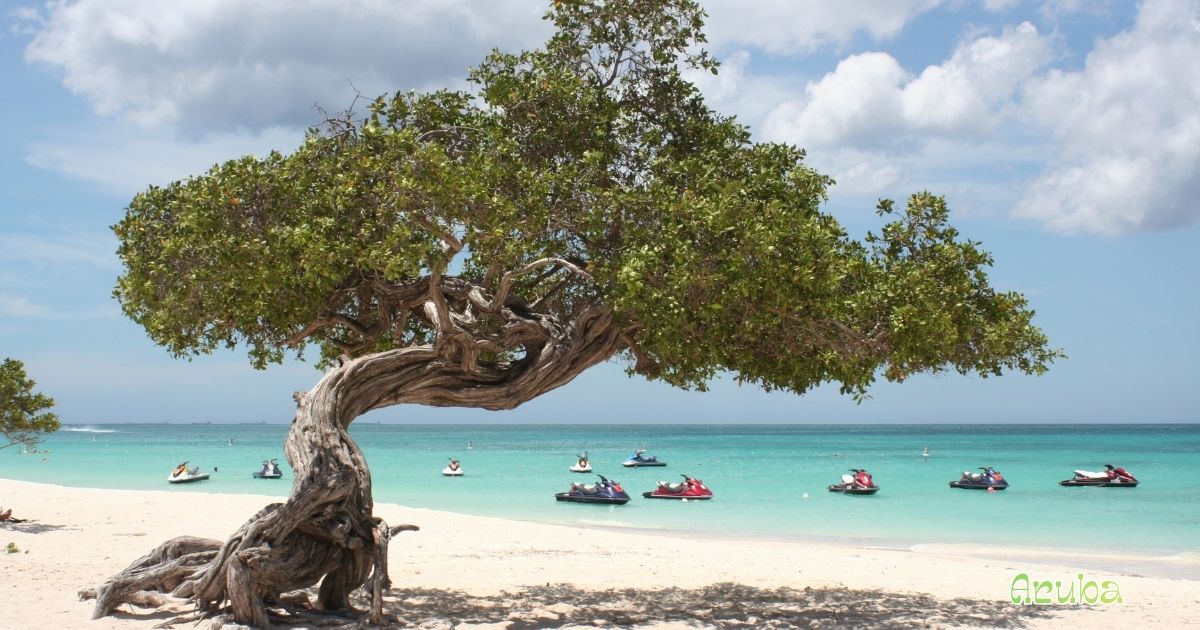
Aruba is famous for its breathtaking beaches, and each one offers a unique experience that caters to different preferences. Eagle Beach, often ranked among the best beaches in the world, stands out for its wide stretch of soft white sand and iconic divi-divi trees. Because it is less crowded than other beaches, it provides a and relaxing atmosphere, making it ideal for couples and those seeking peace.
In contrast, Palm Beach offers a more vibrant and energetic environment. Lined with luxury resorts, restaurants, and beach bars, this area is perfect for travelers who enjoy a lively scene. Additionally, water sports such as jet skiing, parasailing, and snorkeling are readily available, ensuring that you will never run out of activities. As the sun sets, Palm Beach transforms into a hub of nightlife, with entertainment options for every taste.
For those looking for something different, Arashi Beach provides excellent snorkeling opportunities. Its calm, clear waters make it easy to explore marine life, even for beginners. Meanwhile, Baby Beach, located on the southern end of the island, features shallow, lagoon-like waters that are perfect for families with children. Because of its gentle waves, it creates a safe and enjoyable environment for swimming.
Furthermore, adventurous travelers can explore hidden gems like Boca Catalina and Dos Playa, which offer stunning natural scenery and a more rugged coastline. These beaches showcase Aruba’s wild side and provide incredible photo opportunities. Overall, Aruba’s diverse beaches ensure that every visitor can find their perfect spot, whether they seek relaxation, adventure, or a mix of both.
Read also – Penukonda – A Timeless Fortress Town in Southern India

Top Attractions in Aruba Beyond the Beaches
While Aruba’s beaches often steal the spotlight, the island’s inland attractions reveal an entirely different side that is equally worth exploring. One of the most remarkable places to visit is Arikok National Park, which covers nearly 20% of the island. As you venture into the park, you immediately notice its rugged terrain, dramatic coastlines, and unique desert-like landscapes. Additionally, the park features hidden caves, ancient rock formations, and native wildlife, offering a completely different experience from the coastal areas. Because of its size and diversity, renting a 4×4 vehicle or joining a guided tour is highly recommended.
Another must-see attraction is California Lighthouse, located on the northwestern tip of the island. From this vantage point, you can enjoy panoramic views of Aruba’s coastline, especially during sunset when the sky transforms into shades of orange and pink. Furthermore, the area surrounding the lighthouse is peaceful, making it an excellent spot for photography and relaxation.
In addition, history lovers should not miss the Alto Vista Chapel, a small yet significant religious site. Built on the location of Aruba’s first Catholic church, it offers a serene atmosphere and a glimpse into the island’s spiritual heritage. Similarly, the Bushiribana Gold Mill Ruins provide insight into Aruba’s gold mining past. As you walk among the ruins, you can almost feel the history that once shaped the island’s economy.
Altogether, these attractions highlight Aruba’s diversity. While beaches offer relaxation, these inland sites add depth and adventure to your journey, ensuring a well-rounded travel experience.
Read also – Hidden Beaches in Southeast Asia
Best Things to Do in Aruba for Every Traveler
Aruba offers an impressive variety of activities, which means every type of traveler can find something exciting to enjoy. For adventure seekers, snorkeling and scuba diving are among the top experiences. The island’s clear waters provide excellent visibility, allowing you to explore vibrant coral reefs and fascinating marine life. Moreover, shipwreck sites, such as the Antilla wreck, add an extra layer of excitement for divers looking for something unique.
At the same time, Aruba is a paradise for water sports enthusiasts. From jet skiing to parasailing, the options are endless along Palm Beach. If you prefer something more relaxed, you can try paddleboarding or take a sunset cruise along the coastline. These activities not only provide fun but also allow you to appreciate Aruba’s natural beauty from a different perspective.
On land, there are just as many opportunities for adventure. Off-road tours through desert landscapes offer thrilling rides and access to hidden spots that are otherwise difficult to reach. Additionally, horseback riding along the provides a memorable way to explore the island. For those who enjoy hiking, trails within Arikok National Park lead to breathtaking viewpoints and natural wonders.
Meanwhile, if relaxation is your priority, Aruba does not disappoint. Luxury spas, beachfront yoga sessions, and retreats create the perfect environment to unwind. Shopping enthusiasts can explore local markets and high-end boutiques, while food lovers can indulge in diverse culinary experiences. Because of this wide range of activities, Aruba ensures that every visitor can create a personalized and unforgettable itinerary.
Read also – Best Quiet Places in Asia to Relax

Exploring Aruba’s Culture and Local Traditions
Aruba’s culture is a vibrant blend of influences that reflects its diverse history and welcoming community. One of the most fascinating aspects of the island is its language. While Dutch is the official language, locals commonly speak Papiamento, a unique creole language that combines elements of Portuguese, Spanish, Dutch, and African languages. In addition, English and Spanish are widely spoken, which makes communication easy for visitors.
Cultural celebrations play a significant role in Aruban life, and they provide an excellent opportunity for travelers to connect with the island’s traditions. The most famous event is Aruba Carnival, which takes place at the beginning of the year. During this time, the island comes alive with colorful parades, music, and dancing. As you join the festivities, you will experience the energy and joy that define Aruba’s spirit.
Furthermore, music and dance are deeply rooted in the culture. Traditional rhythms, such as tumba and calypso, fill the air during celebrations and local events. These lively performances showcase the island’s heritage and bring people together. Similarly, local art and crafts reflect Aruba’s identity, with handmade souvenirs offering a meaningful way to remember your trip.
Religion also plays a role in shaping the island’s traditions. Historic sites like Alto Vista Chapel highlight the importance of faith in the community. Meanwhile, local cuisine blends flavors from different cultures, creating dishes that are both unique and delicious.
Overall, Aruba’s culture adds depth to your. By engaging with its traditions, you gain a richer understanding of the island and its people.
Read also – Cheap Places to Travel in Asia – All you Need to Know
Where to Stay in Aruba: Resorts, Hotels, and Budget Options
Finding the perfect place to stay in Aruba is relatively easy because the island offers a wide range of accommodations to suit every budget and preference. For travelers seeking luxury, Palm Beach is the most popular area. This is home to upscale resorts that provide world-class amenities, including private beaches, spas, fine dining restaurants, and entertainment options. Because everything is conveniently located, you can enjoy a seamless and vacation experience.
On the other hand, Eagle Beach offers a more and relaxed atmosphere. This area features boutique hotels and smaller resorts that focus on comfort and tranquility. As a result, it is an excellent choice for couples or travelers who want to escape the crowds while still being close to major attractions. Additionally, many accommodations here are just steps away from one of the most beautiful beaches on the island.
For budget-conscious travelers, Aruba also provides affordable options such as guesthouses, vacation rentals, and smaller hotels. Oranjestad, the island’s capital, offer reasonably priced accommodations along with easy access to shops, restaurants, and cultural sites. Staying in this area allows you to experience local life while saving money on lodging.
Moreover, all-inclusive resorts are a popular choice for those who prefer a hassle-free vacation. These packages often include meals, drinks, and activities, making it easier to plan your budget. Regardless of where you choose to stay, Aruba’s high standards of hospitality ensure a pleasant experience.
Ultimately, your choice of accommodation depends on your travel style and priorities. Whether you seek luxury, relaxation, or affordability, Aruba offers something for everyone.
Read also – Best Places to Visit in Asia: Complete Travel Guide

Food in Aruba: What to Eat and Where to Try It
Aruba’s food scene reflects its multicultural identity, and it delivers a rich mix of flavors that satisfy every palate. Because the island blends Caribbean, Dutch, Latin American, and international influences, you can expect both traditional dishes and modern culinary creations. To begin with, seafood plays a central role in Aruban cuisine. Fresh catches such as grilled shrimp, and lobster appear on menus across the island, often seasoned with local spices and served with rice or plantains. As you explore local restaurants, you will quickly notice how freshness and simplicity define many dishes.
One of the must-try local specialties is Keshi Yena. This flavorful dish consists of cheese stuffed with spiced meat, vegetables, and raisins, creating a unique combination of savory and slightly sweet flavors. In addition, Pastechi is a popular snack that you can find almost everywhere. These fried pastries are typically filled with cheese, meat, or seafood, making them perfect for a quick bite while exploring the island.
Moreover, Aruba offers a wide range of dining experiences. From beachfront restaurants with stunning sunset views to fine dining establishments, the options are endless. Oranjestad, the capital, is particularly known for its diverse restaurant scene, where you can enjoy everything from local dishes to international cuisine. At the same time, food trucks and casual eateries provide affordable yet delicious alternatives.
For dessert lovers, tropical fruits and sweets are a highlight. Fresh mango, papaya, and coconut-based treats add a refreshing finish to any meal. Because of this culinary diversity, Aruba ensures that every meal becomes part of your travel experience, making your journey even more memorable.
Read also – Casting in Singapore: A Complete Guide for Aspiring Talent
Nightlife in Aruba: Entertainment After Sunset
When the sun goes down, Aruba transforms into a lively destination filled with entertainment and excitement. Although the island is known for its relaxing, its nightlife offers something for everyone, from laid-back beach bars to energetic clubs. As a result, you can easily tailor your evenings to match your mood and preferences.
Palm Beach is the center of Aruba’s nightlife scene. You will find a variety of bars, casinos, and nightclubs that stay open late into the night. Many venues feature live music, DJ performances, and themed parties, creating a vibrant and dynamic environment. Additionally, beachfront bars allow you to enjoy cocktails while listening to the soothing sound of the ocean, which adds a unique charm to your night.
For those who prefer a more relaxed night, Aruba also offers quieter options. Sunset cruises are a popular choice, providing a peaceful way to end the day while enjoying breathtaking views of the coastline. Similarly, lounges and wine bars offer a setting where you can unwind with a drink and good conversation.
Casinos are another key part of Aruba’s nightlife. Many big resorts feature gaming areas where visitors can try their luck at slot machines, poker, or blackjack. Even if you are not a gambler, inside these venues is worth experiencing.
Overall, Aruba’s nightlife balances energy and relaxation perfectly. Whether you want to dance until morning or enjoy a calm evening by the sea, the island provides endless possibilities for unforgettable nights.
Read also – Ubud and Bali: A Complete Guide to Culture, Nature, and Relaxation
Travel Tips: What You Need to Know Before You Go
Planning your trip to Aruba becomes much easier when you understand a few essential travel tips. First of all, the official currency is the Aruban florin, but US dollars are widely accepted across the island. Because of this, you can travel conveniently without constantly worrying about currency exchange. Credit cards are also commonly used, especially in hotels and restaurants.
Transportation is another important factor to consider. While taxis and buses are available, renting a car gives you the most flexibility to explore the island at your own pace. Since Aruba is relatively small, driving from one end to the other does not take long. However, keep in mind that some, particularly within Arikok National Park, require a 4×4 vehicle due to rough terrain.
Additionally, packing appropriately will enhance your experience. Lightweight clothing, sunscreen, and sunglasses are essential because of the strong. At the same time, bringing a reusable water bottle helps you stay hydrated while reducing plastic waste. If you plan to explore areas, comfortable shoes are also a must.
Safety in Aruba is generally high, but it is still wise to take basic precautions. Keep your belongings secure, especially in crowded areas, and follow local guidelines when swimming or participating in water activities. Furthermore, respecting local customs and helps preserve the island’s beauty for future visitors.
By keeping these tips in mind, you can enjoy a smooth and stress-free vacation while making the most of everything Aruba has to offer.
Getting Around and Practical Information
Getting around Aruba is straightforward, and the island’s infrastructure makes travel both convenient and efficient. Because of its size, most attractions are within a short distance of each other. This means you can explore multiple in a single day without feeling rushed. Rental cars remain the most popular option, especially for travelers who want complete freedom.Well-maintained, and signage is clear, which makes driving relatively easy even for first-time visitors.
Public transportation is another viable option. Buses operate between major areas such as Oranjestad and Palm Beach, providing an affordable way to get around. Schedules may be limited in certain, so planning ahead is important. Taxis are widely available as well, although they do not use meters, so fares are typically fixed based on distance.
In terms of entry requirements, Aruba is part of the Kingdom of the Netherlands, and most travelers do not need a visa for short stays. However, you should always check current regulations before traveling. Additionally, the island uses standard US-style outlets, which is convenient for many visitors.
Healthcare services in Aruba are reliable, with modern facilities available if needed. Travel insurance is still recommended for added peace of mind. Connectivity is also strong across the island, allowing you to stay connected and share your experiences.
Ultimately, Aruba’s and accessibility make it an ideal destination for all types of travelers. With proper planning and awareness of practical details, you can fully enjoy your trip without unnecessary stress.
Read also – Krabi Bus Terminal: Your Complete Guide to Getting Around
Frequently Asked Questions
Aruba can be considered moderately expensive, especially during peak season. However, you can manage your budget by traveling during the off-season, choosing affordable accommodations, and dining at local restaurants. Because there are options for every budget, you can still enjoy the island without overspending.
Most travelers do not need a visa for short stays, particularly those coming from the United States and Europe. However, it is always best to check the latest entry requirements before your trip to avoid any issues.
Locals primarily speak Papiamento and Dutch, but English and Spanish are widely understood. This makes communication very easy for international visitors.
Yes, Aruba is one of the safest destinations in the Caribbean. მაინც, you should still follow basic safety precautions, such as keeping your belongings secure and being aware of your surroundings.
A stay of 5 to 7 days is ideal for exploring Aruba. This allows you to enjoy the beaches, visit attractions like California Lighthouse, and experience local culture without feeling rushed.
Conclusion
Aruba truly lives up to its reputation as “One Happy Island,” and it consistently delivers an unforgettable travel experience for every type of visitor. From the moment you arrive, you are welcomed by արևոտ weather, friendly locals, and breathtaking scenery that instantly sets the tone for a relaxing yet exciting getaway. While its world-famous beaches often take center stage, Aruba offers far more than just beauty. As you explore the island, you discover a perfect balance between culture and modern comfort.
Moreover, Aruba’s attractions ensure that your trip never feels repetitive. One day, you can unwind on the soft of Eagle Beach, and the next, you can venture into the rugged landscapes of Arikok National Park. At the same time, cultural landmarks, vibrant festivals, and flavorful cuisine allow you to connect with the island on a deeper level. Because of this variety, Aruba easily adapts to different travel styles, whether you prefer relaxation, adventure, or a mix of both.
In addition, the island’s reliability makes it stand out among Caribbean destinations. Its climate, environment, and well-developed infrastructure create a stress-free travel experience. You do not need to worry about unpredictable weather or complicated logistics, which allows you to focus entirely on enjoying your vacation. Furthermore, the wide range of accommodations from luxury resorts to бюджет-friendly stays ensures that every traveler can find the perfect place to stay.
Ultimately, Aruba is more than just a destination; it is an experience that stays with you long after your trip ends. Its unique blend of beauty, culture, and convenience makes it a place you will want to return to again and again.