

Pee Pee Island
Exploring the Myths, Beauty, and Travel Secrets
Pee Pee Island, despite its unusual name, has sparked curiosity among travelers around the world. Many first hear about it in passing, only to wonder if it is a real destination or a playful invention. The truth is that this island is a genuine place, located off the coast of Newfoundland and Labrador in Canada. Its name may raise eyebrows, but the island offers fascinating stories, rugged beauty, and insights into the maritime history of the region.
In this guide, we will explore this island from every angle. From the origins of its name to its cultural significance, from myths and legends to travel tips, this article provides a balanced perspective. Travelers who value unusual destinations, quiet escapes, and authentic history will find Pee Pee Island a place worth remembering.
The Name That Draws Attention – Pee Pee Island
The Curiosity Behind the Name
The first and most obvious feature of Pee Pee Island is its unusual name. Many travelers encounter it on maps and can hardly believe it is real. Yet, the name dates back centuries. Maritime explorers often labeled landmarks based on what they observed or experienced. In the case of this island, theories suggest it may have derived from initials carved into stone or from early French or English interpretations.
Read also – Malt Liquor: A Cultural Sip Around the World
Historical Roots
Some historians and linguists believe that the name often informally referred to as “Pee Pee Island” comes from early maritime references rather than a single fixed origin story. One common theory suggests that the term may have evolved from “P.P.” initials carved or marked by sailors during the 17th and 18th centuries. During this period, seafarers traveling through Southeast Asia frequently used simple markings, symbols, or initials on logs, rocks, or temporary campsites to record navigation routes, safe harbors, or territorial presence. Over time, these abbreviated markings could have been interpreted phonetically by later visitors or local communities, gradually transforming into a repeated “Phi Phi” or “Pee Pee” sound in oral storytelling traditions.
Another interpretation links the name to the old Malay word “api-api,” meaning “fiery tree,” referring to mangrove forests that were once common in the region. As languages blended through trade and migration across the Andaman Sea, pronunciation shifts may have softened “api-api” into something closer to “Phi Phi.” Although the “P.P. initials” theory remains popular in travel storytelling, most modern historians consider it more of a romanticized explanation rather than a confirmed historical fact.
What makes the origins especially interesting is how the name reflects layers of maritime history, colonial movement, and local linguistic adaptation. Instead of coming from a single event or person, the name likely developed gradually through repeated use by sailors, traders, and coastal communities. Each group may have pronounced or recorded it differently, eventually stabilizing into the modern name we recognize today: the Phi Phi Islands.
Cultural Interpretation and Modern Identity
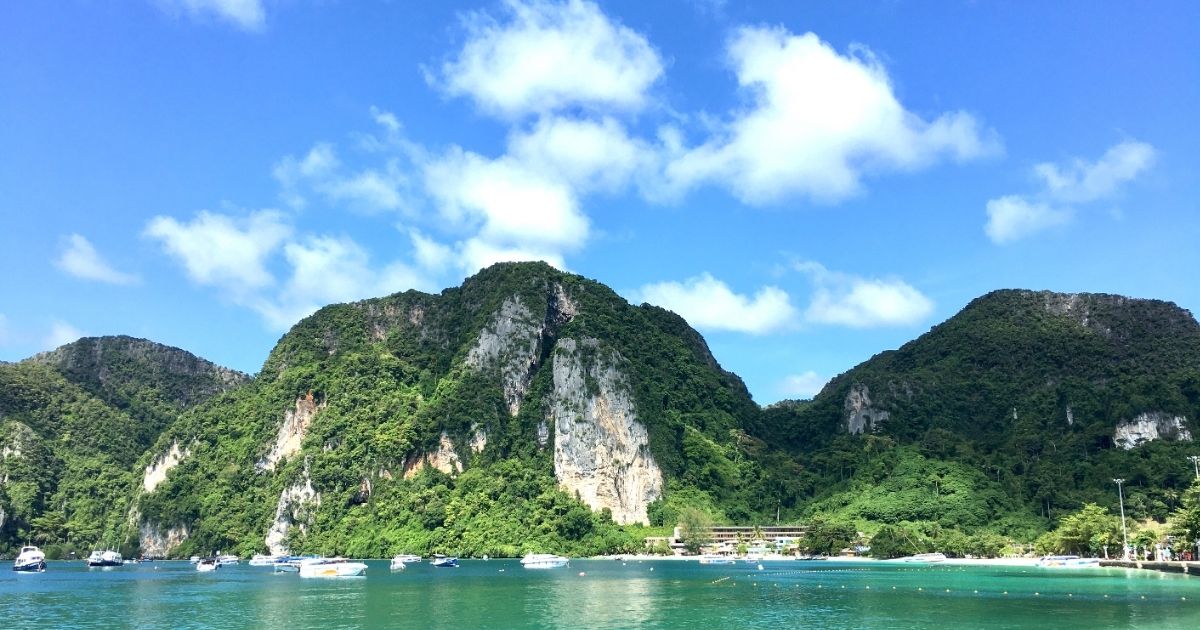
Beyond historical theories, the name “Pee Pee Island” has taken on a life of its own in modern tourism culture. Today, it is widely associated with tropical beauty, turquoise waters, limestone cliffs, and vibrant marine life. While the official name is the Phi Phi Islands, the playful sounding alternative often catches attention online and in travel conversations. This unusual name has helped the destination stand out globally, making it instantly recognizable even to people who have never visited Southeast Asia.
In contemporary travel culture, names play a powerful role in shaping curiosity, and “Pee Pee” has become a memorable talking point. Many travelers admit that they first heard about the islands because of the unusual name, only later discovering their breathtaking landscapes. This curiosity-driven discovery has helped boost the islands’ popularity, especially among younger travelers and social media audiences seeking unique destinations.
Locally, however, the islands are respected for much more than their name. They are known for natural beauty, ecological importance, and cultural significance within Thailand’s coastal regions. Efforts have been made in recent years to protect coral reefs, regulate tourism, and preserve iconic sites like Maya Bay. These conservation measures highlight a shift from purely tourist-driven attention to more sustainable appreciation of the environment.
Regardless of how the name is interpreted or remembered, it has undeniably shaped global awareness of the destination. Travelers often include it on their bucket lists not only for its scenery but also for the novelty of its name. In this way, “Pee Pee Island” has become both a cultural curiosity and a gateway to one of Thailand’s most iconic island groups.
Location and Geography – Pee Pee Island
Where Is Pee Pee Island?
Pee Pee Island is situated off the eastern coast of Newfoundland, surrounded by the cold, clear waters of the Atlantic Ocean. It is relatively small and largely uninhabited. The island’s remoteness means it has been spared from heavy development, making it an untouched gem.
Natural Landscape – Pee Pee Island
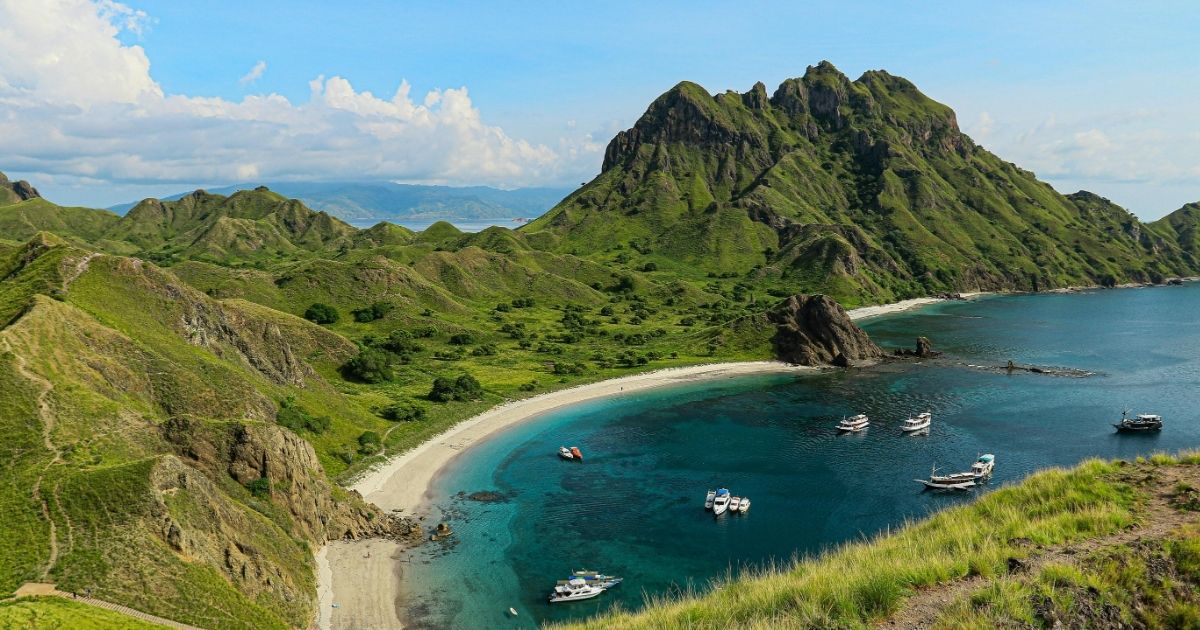
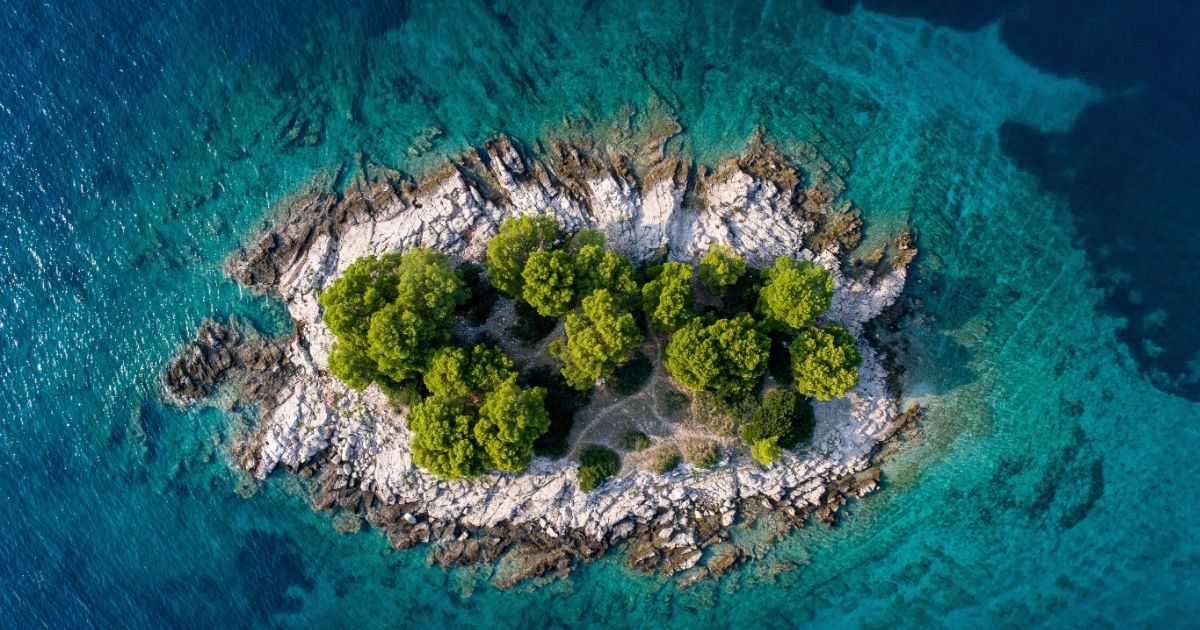
The island features rugged cliffs, rocky shores, and patches of vegetation typical of the North Atlantic environment. Migratory seabirds use the island as a resting place, while seals can sometimes be spotted along the surrounding waters. Because it is uninhabited, Pee Pee Island maintains a raw and natural charm that adventurous travelers appreciate.
Read also – Things to Do in Honolulu – Discover Everything You Need
Historical Significance
Indigenous Connections
Before European explorers arrived, the waters around Newfoundland and Labrador were home to Indigenous peoples, including the Beothuk. While there is no clear record that this island was a permanent settlement, it likely served as a seasonal stop or reference point during hunting and fishing expeditions.
Read also – North Macedonia Tailor-Made Trips: Authentic, Affordable & Unforgettable

Maritime Heritage – Pee Pee Island
The waters surrounding the Pee Pee Islands have long been part of important maritime routes across the Andaman Sea, linking coastal communities of what is now Thailand, Malaysia, and beyond. For centuries, these waters were traveled by local fishermen, traders, and seafarers who relied on small islands and limestone formations as natural navigation points. Before modern GPS systems, sailors used visible landmarks like cliffs, bays, and island silhouettes to guide their journeys safely across open water.
Fishing played a central role in the region’s traditional economy. Communities depended on the sea for food, especially species such as mackerel, snapper, squid, and shellfish rather than Atlantic cod, which is native to colder northern waters. Fishermen often traveled between islands in simple wooden boats, reading currents, winds, and star patterns to find productive fishing grounds. The sheltered coves around the Phi Phi archipelago provided safe resting points during long voyages and sudden storms.
Over time, these islands became familiar reference points in oral navigation traditions. Sailors would describe routes by mentioning nearby islands or distinctive rock formations, helping future travelers recognize safe passages. The dramatic limestone cliffs of the Phi Phi area made the islands especially easy to identify from a distance, which strengthened their role as natural markers in maritime storytelling.
Although the name “Pee Pee Island” is often used informally in modern tourism, the islands themselves have always been more than just a scenic destination. They represent a living history of human interaction with the sea, where navigation, survival, and cultural exchange were deeply connected. Today, this heritage is still visible in traditional longtail boats, coastal fishing practices, and the enduring relationship between local communities and the ocean that surrounds them.
Myths and Legends
Tall Tales of Sailors
Like many remote islands, Pee Pee Island has gathered myths over the years. Some tales describe ghostly ships passing in the night, while others speak of strange carvings left on the rocks. While these stories are difficult to verify, they add to the island’s mystique.
Read also – Best Places to Visit in Europe
Modern Humor – Pee Pee Island
In recent years, Pee Pee Island has become somewhat of a humorous internet sensation. Photos of maps showing its location often circulate online, attracting attention from people who might never otherwise learn about Newfoundland. This lighthearted curiosity has unexpectedly boosted interest in the region’s tourism.
Tourism Appeal
Why Travelers Visit
Travelers are drawn to Pee Pee Island for a wide range of reasons, each adding to the island’s growing reputation as an intriguing destination. While the name often sparks initial curiosity, the reasons visitors stay and return go far deeper, rooted in the island’s beauty, experiences, and sense of discovery.
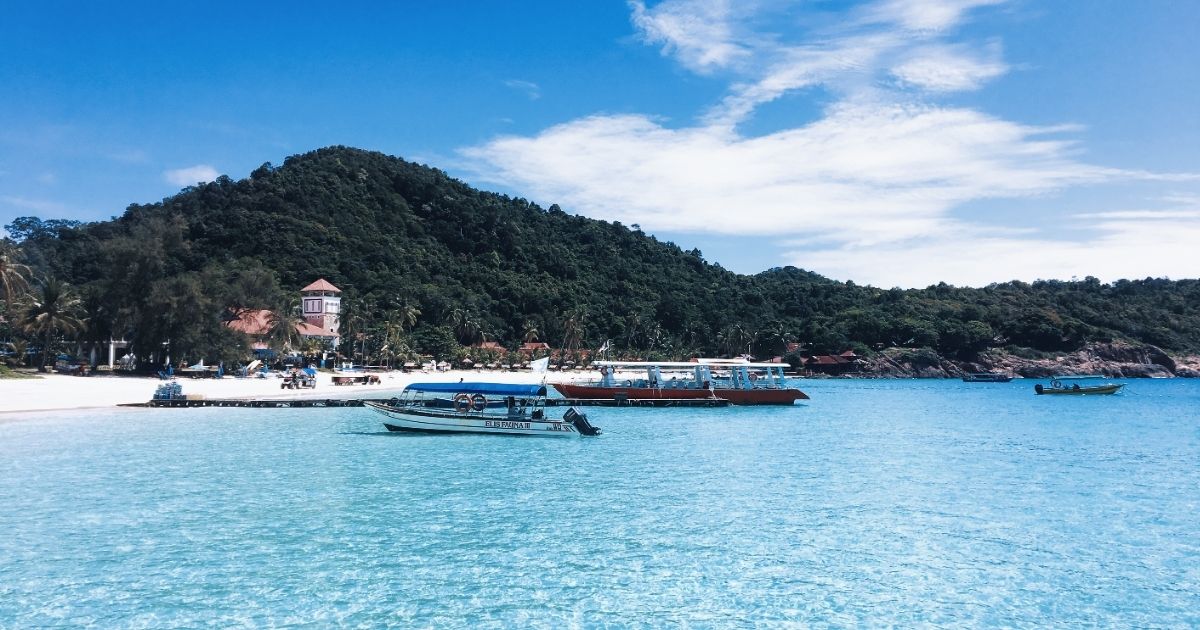
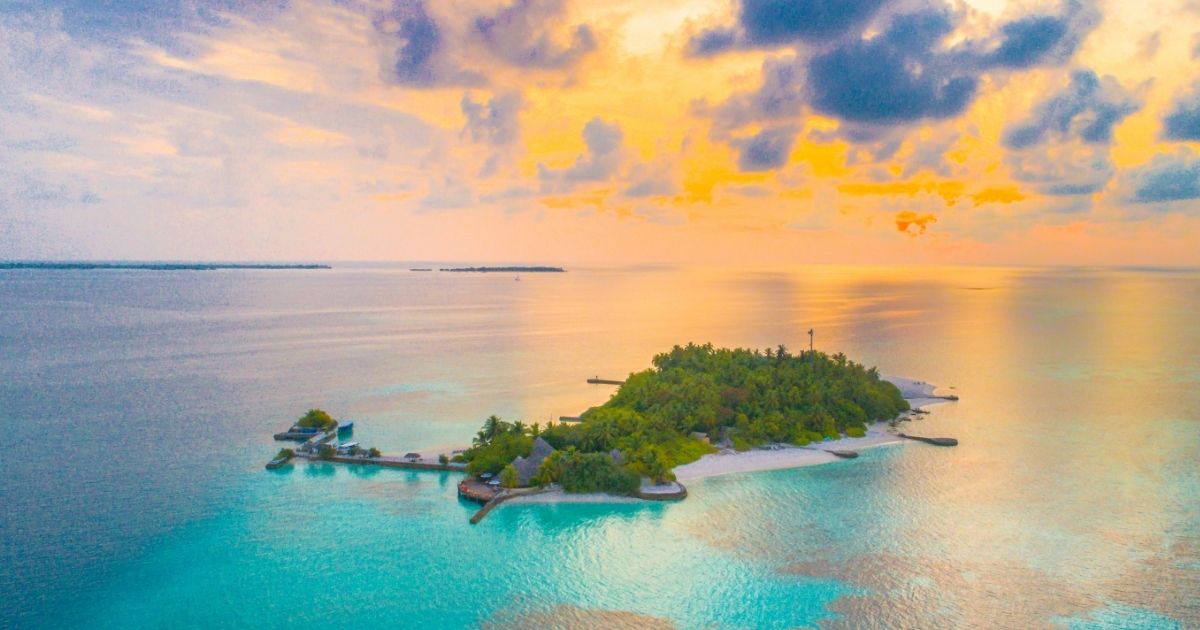
First and foremost, many people come to admire the island’s natural scenery. With its unspoiled beaches, vibrant coral reefs, and surrounding greenery, this island offers the kind of tropical escape that travelers dream of. The peaceful environment allows visitors to slow down, breathe deeply, and reconnect with nature. As a result, the island appeals strongly to those seeking tranquility away from crowded tourist hubs.
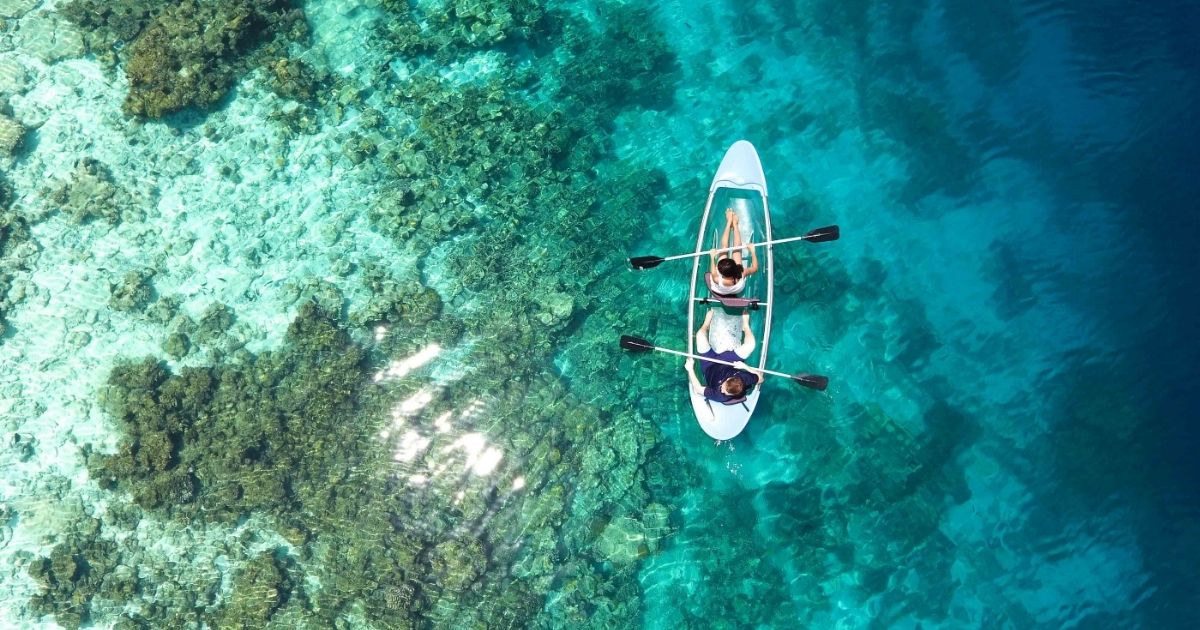
In addition, Pee Pee Island attracts adventurous spirits who want to explore off-the-beaten-path destinations. Because it is less commercialized than other islands, it provides a sense of authenticity that seasoned travelers often crave. Exploring hidden coves, snorkeling in clear waters, or simply walking along quiet shores becomes a refreshing alternative to mainstream vacation spots.
Moreover, some visitors arrive because of the island’s quirky name, which creates a sense of curiosity and fun. For many, traveling to this island feels like being part of a unique story that they can share with friends and family. This blend of humor and beauty makes it a place that is memorable long after the trip ends.
Finally, travelers visit for the warm and welcoming atmosphere created by the local community. Whether it is enjoying freshly prepared meals, learning about local traditions, or engaging in casual conversations, the human connections formed on Pee Pee Island enhance the overall experience.
Altogether, this island offers more than just a name – it offers beauty, adventure, authenticity, and meaningful encounters, which together explain why travelers feel drawn to its shores.
What to Expect – Pee Pee Island
Visitors should not expect bustling activities or guided tours. Instead, the experience revolves around appreciating nature, capturing photographs, and enjoying the novelty of being on an island with such a memorable name.
Read also – How to Find Cheap Flights in 2025 (Even Last-Minute!)
Getting to Pee Pee Island
Accessibility Challenges
Reaching Pee Pee Island requires careful planning. It is not a regular tourist stop, and no commercial ferry operates routes to the island. Travelers typically need to hire a local boat operator from nearby Newfoundland communities. Because of unpredictable weather conditions, flexibility is essential.
Best Time to Visit – Pee Pee Island
Deciding on the best time to visit Pee Pee Island plays a significant role in shaping your overall experience. Since the island offers both natural beauty and outdoor activities, the season you choose directly affects what you will enjoy the most.
To begin with, the dry season is often considered the ideal period for travelers. During these months, the weather remains sunny, the sea is calmer, and visibility for snorkeling or swimming is at its peak. As a result, visitors can enjoy crystal-clear waters, vibrant marine life, and pleasant walking conditions around the island. Furthermore, this season is perfect for photography, as the bright skies and golden sunsets create breathtaking scenes.
On the other hand, the wet season has its own charm. Although rainfall may be more frequent, it brings out the lush greenery of the island and creates a quieter atmosphere. Therefore, travelers who prefer fewer crowds and a more tranquil setting may find this period especially appealing. In addition, the rain showers are often brief, which means you can still enjoy plenty of sunshine between them.
Moreover, timing your visit around weekdays rather than weekends can also enhance your experience. Weekends may attract more local visitors, while weekdays typically offer a more peaceful escape. This balance allows travelers to tailor their journey depending on whether they enjoy lively energy or serene solitude.
Ultimately, the best time to visit this island depends on personal preferences. If you value clear skies and perfect swimming conditions, the dry season may suit you best. However, if you prefer solitude, lower crowds, and vibrant landscapes, the rainy months may be equally rewarding. By considering both weather and atmosphere, you can choose the season that perfectly matches your travel style.
Things to Do on Pee Pee Island
Photography Opportunities – Pee Pee Island
Pee Pee Island is a dream location for photographers who love capturing rugged coastlines, seabirds, and the stark beauty of the North Atlantic. The contrast between its humorous name and its wild, untamed setting makes for memorable shots.
Read also – Manoa Falls Honolulu HI: Best Tropical Adventure through Nature’s Masterpiece
Birdwatching and Wildlife
One of the most rewarding aspects of visiting Pee Pee Island is the chance to connect with its thriving wildlife. The island may be small in size, but it offers an impressive variety of bird species that make it a true paradise for birdwatchers. From early morning until sunset, the sound of birdsong fills the air, creating a natural soundtrack that enhances the island experience.
As you wander along the coastline or explore the island’s lush greenery, you are likely to spot seabirds gliding gracefully over the water. In addition, smaller migratory birds often make this island a resting point, which means each season brings new and exciting sightings. Therefore, no two visits feel exactly the same. For many travelers, simply sitting quietly with binoculars becomes a meditative way to enjoy nature while spotting herons, gulls, or even rare tropical species.
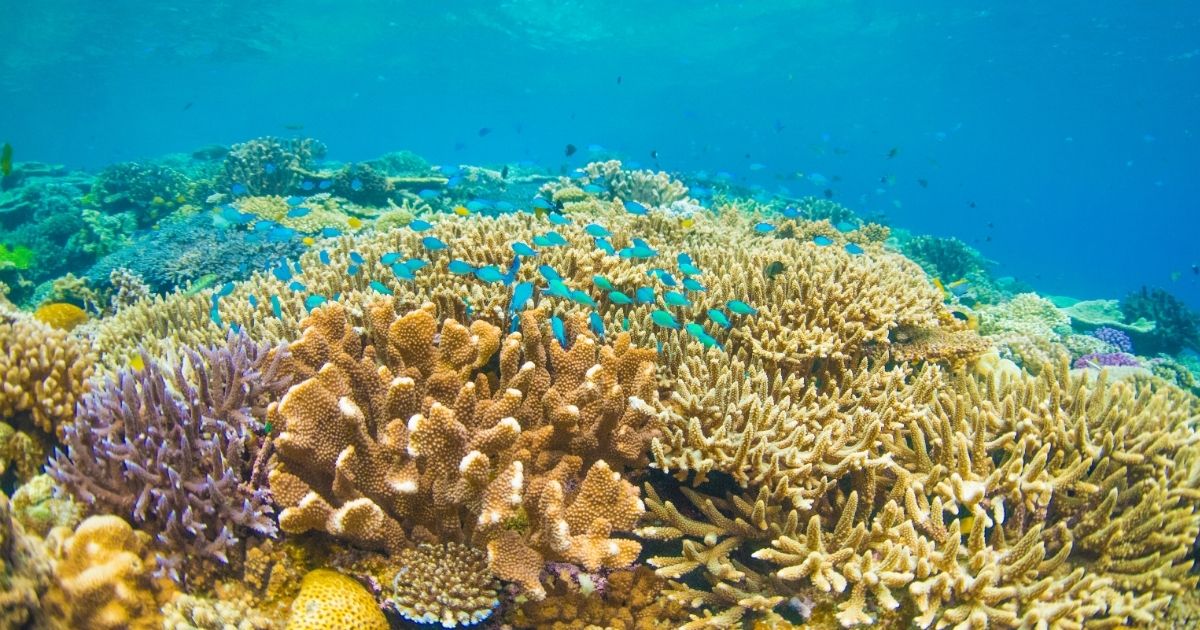
Beyond the birds, this island supports other forms of wildlife. The clear waters around the island host schools of colorful fish, making snorkeling another excellent way to observe nature up close. Furthermore, small crabs scuttle across the sandy shorelines, while lizards bask in the warmth of the sun. These details might seem simple, yet together they create a sense of harmony that reminds visitors how delicate and beautiful ecosystems truly are.
Because of this richness, many visitors leave the island with a deeper appreciation for the natural world. By taking time to observe its birdlife and wildlife, travelers not only enjoy unforgettable encounters but also become more aware of the importance of protecting fragile habitats. In this way, birdwatching and wildlife viewing on this island provide not just entertainment, but also inspiration for responsible travel.
Quiet Escapes – Pee Pee Island
For some visitors, the main activity is simply enjoying the silence. Few places in the world offer such solitude and isolation, making it a perfect spot for reflection.
Read also – Earl Bales Park Toronto: A Peaceful Escape in the Heart of the City
Cultural Impact
How the Name Affects Perception
The name Pee Pee Island often overshadows its natural beauty and history. Yet, this curiosity can be seen as a positive. It brings attention to Newfoundland’s coastline and sparks conversations about geography, culture, and exploration.
Read also – Hotels in Alabang – Best Hotels for a Relaxing
Community Reactions
Community reactions to Pee Pee Island highlight just how meaningful this destination has become for travelers and locals alike. Whenever visitors share their experiences, the response often reflects a mixture of admiration, curiosity, and even humor surrounding the island’s unique name. Yet, beyond the playful curiosity, most people agree that this island holds genuine natural beauty and offers a memorable travel experience.
To begin with, locals tend to express pride in the island’s charm. They view it not only as a point of interest but also as a symbol of their natural heritage. Many are eager to welcome travelers, guiding them toward the best spots for swimming, snorkeling, or hiking. In turn, this openness helps create a warm and authentic atmosphere, which visitors frequently highlight in their reviews.
At the same time, international travelers often share their impressions online, and these reactions further amplify the island’s reputation. Some focus on its picturesque landscapes, while others emphasize the sense of tranquility they discovered during their stay. As a result, Pee Pee Island continues to gain attention as both a fun and beautiful destination, drawing travelers who might not have considered it otherwise.
Moreover, reactions often include practical advice. Visitors exchange recommendations about the best times to visit, budget-friendly accommodations, and safe travel tips. This growing network of shared experiences adds value to the community, as future travelers benefit from the insights of those who came before.
Ultimately, the community’s response shows that this island is more than just a name that sparks curiosity. Instead, it is a place where natural beauty, cultural pride, and shared travel stories come together. Through both local hospitality and traveler feedback, the island continues to build a reputation that extends far beyond first impressions.
Travel Tips for Visiting
Prepare for Remote Travel – Pee Pee Island
Because the island is uninhabited, visitors must bring their own supplies. Food, water, safety gear, and weather-appropriate clothing are essential.
Hire Local Guides
To ensure safety, travelers are encouraged to connect with local boat operators or guides. Their knowledge of tides, currents, and weather conditions is invaluable.
Respect the Environment
Visitors should follow Leave No Trace principles. Protecting the fragile ecosystem ensures that Pee Pee Island remains pristine for future generations.
Pee Pee Island Compared to Other Unusual Destinations
Funny-Named Places Around the World
This island is not alone in having a memorable name. Around the world, there are towns and landmarks such as Dildo (also in Newfoundland), Truth or Consequences in New Mexico, and Hell in the Cayman Islands. These places attract visitors largely due to the curiosity their names inspire.
Read also – Sanur Beach in Bali – Your Ultimate Guide to a Peaceful Paradise
Standing Out in Travel Stories
Among these destinations, Pee Pee Island stands out because of its remote location and untouched environment. While some funny-named places are tourist hubs, this island remains an off-the-beaten-path adventure.
The Future of Pee Pee Island – Pee Pee Island
Tourism Potential
The tourism potential of Pee Pee Island is much greater than many people initially realize. While its unusual name attracts attention, the true draw lies in its natural beauty, cultural charm, and opportunities for sustainable development. Because of its location and unique character, Pee Pee Island has the ability to appeal to both adventurous travelers and those seeking relaxation, which makes it an attractive destination for different types of visitors.
To start, the island’s pristine beaches, crystal-clear waters, and lush surroundings provide a strong foundation for eco-tourism. As more travelers look for destinations that combine leisure with nature-based experiences, Pee Pee Island has the chance to position itself as an alternative to crowded tourist spots. With guided tours, snorkeling adventures, and birdwatching activities, it can cater to visitors who value both exploration and environmental preservation.
In addition, the local community plays a crucial role in shaping its tourism potential. When residents actively engage in offering hospitality, running small businesses, or guiding tours, the island benefits from sustainable economic growth. This connection not only supports livelihoods but also ensures that tourism development remains respectful of cultural traditions and environmental needs.
Furthermore, modern travelers often look for unique stories to tell, and Pee Pee Island delivers exactly that. Its name sparks curiosity, but its landscapes and authentic atmosphere encourage people to stay, explore, and share their experiences online. Consequently, the island has the potential to expand its reach through word of mouth and social media visibility, creating a cycle of growth.
Overall, Pee Pee Island’s tourism potential is undeniable. With careful planning, a focus on sustainability, and the involvement of the local community, it can grow into a destination that balances charm, adventure, and responsibility – while leaving visitors with memories that go far beyond its name.
Preserving Its Identity – Pee Pee Island
Maintaining the island’s rugged and natural beauty is crucial. Over-commercialization could strip away the authenticity that makes Pee Pee Island special.
Read also – Kalanggaman Island Philippines: Paradise You Need To Visit
Frequently Asked Questions
The Pee Pee Islands are located in Thailand, in the Andaman Sea, between Phuket and Krabi.
You can reach the islands by ferry or speedboat from Phuket or Krabi. The journey usually takes 1.5 to 2 hours.
The best time to visit is from November to April when the weather is sunny, dry, and ideal for beach activities.
Pee Pee Don is the only inhabited island and offers hotels, restaurants, and nightlife. Phi Phi Leh is famous for day trips.
Yes, Maya Bay is open but with restrictions to protect the environment. Swimming may be limited depending on regulations.
2–3 days is ideal to explore beaches, viewpoints, and nearby islands without rushing.
They are more expensive than mainland Thailand, especially for accommodation and food, but budget options are still available.
It’s suitable for both. While there is nightlife, you can also find quiet resorts and family-friendly beaches.
Yes, the islands are famous for crystal-clear water, snorkeling, and marine life.
Yes, bring enough cash because ATMs are limited and fees can be high.
Yes, it is generally safe, but always follow local guidelines, especially for boat trips and swimming.
No, there are no cars on Pee Pee Don.
Conclusion
The Pee Pee Islands may have a name that makes people laugh. However, it is far more than a quirky spot on the map. In fact, it is a destination shaped by history, nature, and time. Moreover, its dramatic limestone cliffs rise above crystal-clear turquoise waters. Meanwhile, hidden lagoons and soft white beaches create a peaceful and untouched atmosphere. As a result, the islands feel both magical and timeless.
For centuries, these islands have stood along important sea routes in the Andaman Sea. Therefore, fishermen and sailors once used them as natural navigation points. In addition, their shapes were easy to recognize from far away. Because of this, they became important markers for safe travel between coastal communities. Over time, stories and traditions formed around these waters. Consequently, the islands gained cultural and historical meaning beyond their appearance.
Today, the Phi Phi Islands attract travelers from all over the world. For example, visitors come for snorkeling, diving, and island exploration. In particular, places like Maya Bay are especially popular. At the same time, viewpoints offer stunning panoramic scenes of the ocean. Although tourism is strong, some areas still feel quiet and natural. Therefore, visitors can still find moments of peace and reflection.
Furthermore, the islands are not just about scenery. Instead, they represent a connection between people and the sea. On one hand, they show natural beauty at its finest. On the other hand, they carry a history of exploration and survival. As a result, they hold both emotional and cultural value.
Ultimately, “Pee Pee Island” is more than a funny name. Instead, it is a place of meaning, beauty, and discovery. In conclusion, responsible travel helps protect its fragile environment. Therefore, future generations can continue to enjoy its charm and wonder.



[…] also – Pee Pee Island: Exploring the Myths, Beauty, and Travel […]
[…] also – Pee Pee Island: Exploring the Myths, Beauty, and Travel […]
[…] also – Pee Pee Island: Exploring the Myths, Beauty, and Travel […]