
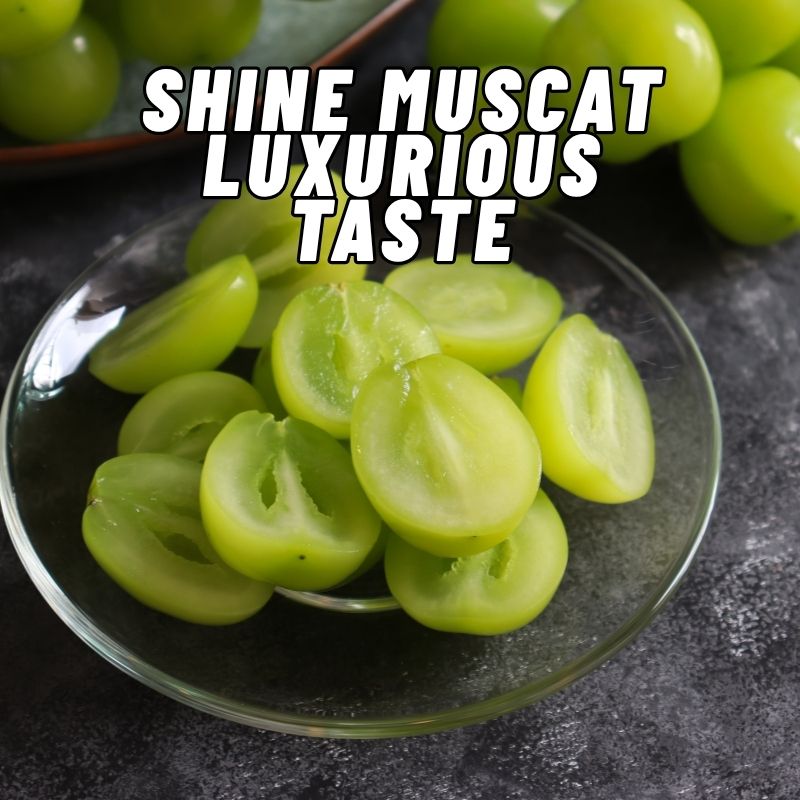
Why Shine Muscat Is More Than Just a Grape
At first glance, Shine Muscat may look like an ordinary green grape. However, once you taste it, everything changes. This premium fruit, grown mainly in Japan, has quickly become a symbol of luxury, precision agriculture, and culinary excellence. With its crisp skin, juicy flesh, and honey-like sweetness, Shine Muscat offers an experience that feels almost too perfect to be real.
For travelers, especially those seeking unique food experiences, Shine Muscat is more than just a fruit it’s a destination in itself. Whether you explore vineyards, indulge in desserts, or shop in high-end fruit boutiques, this grape opens a door to a deeper understanding of Japanese culture.
In this guide, you will discover where Shine Muscat comes from, how to experience it during your travels, and why it deserves a place on your itinerary.
What Is Shine Muscat?
Origins and Development – Shine Muscat
Shine Muscat is a carefully cultivated grape variety developed in Japan. It is the result of years of agricultural research aimed at creating a fruit that combines sweetness, aroma, and convenience. Unlike many grapes, Shine Muscat has an edible skin, meaning you can enjoy it without peeling.
Farmers in regions like Okayama Prefecture and Yamanashi Prefecture are particularly famous for producing high-quality Shine Muscat. These areas offer ideal climates warm days, cool nights, and well-drained soil that help the grapes develop their signature flavor.
Read also – Vegan restaurants near me: Excellent Tips For Best Experience
Taste and Texture
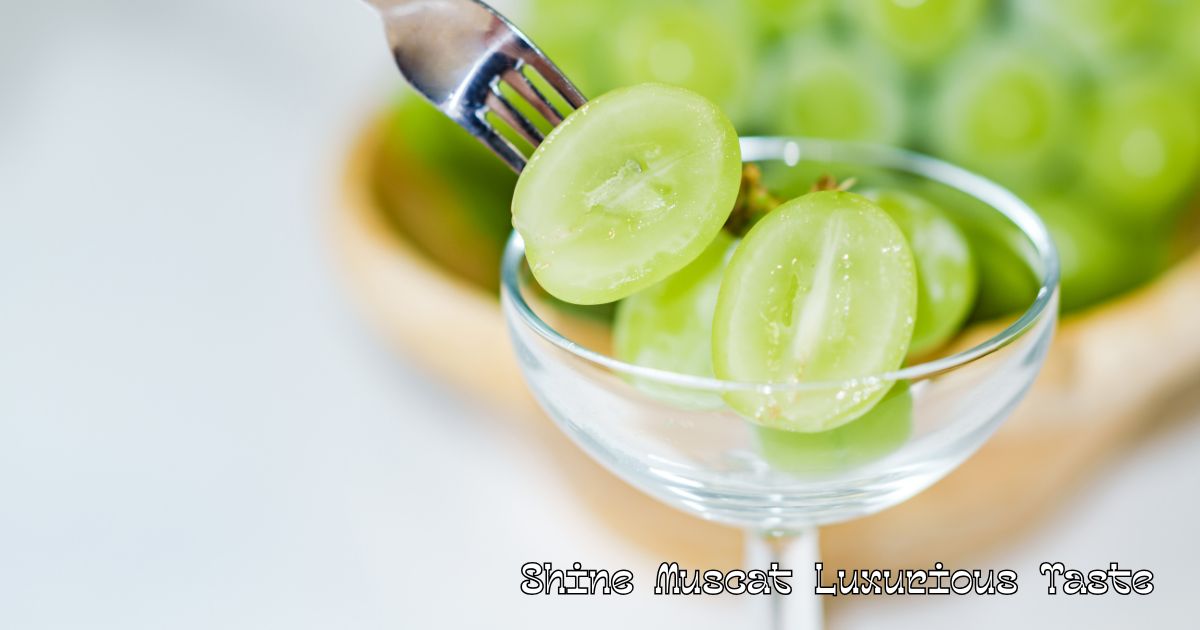
Shine Muscat immediately stands out with its vibrant, inviting flavor. From the very first bite, you notice its intense sweetness, yet it never feels overwhelming. Instead, it delivers a clean, balanced taste that lingers gently on the palate. Unlike many grapes that lean either too sugary or slightly tart, Shine Muscat achieves a perfect harmony. As you continue tasting, subtle floral notes begin to emerge, giving the grape its signature muscat aroma. This delicate fragrance adds depth and transforms a simple bite into a refined sensory experience.
At the same time, the texture plays an equally important role in its appeal. When you bite into a Shine Muscat grape, the thin skin offers a light, satisfying snap. Unlike thicker grape skins that can feel tough or bitter, this one blends seamlessly into the overall experience. Because the skin is entirely edible, you enjoy the fruit without interruption, which enhances convenience and pleasure.
Inside, the flesh feels incredibly juicy and crisp. It releases a burst of refreshing juice that feels both light and indulgent. Moreover, the grapes remain firm rather than mushy, which creates a satisfying contrast between the outer skin and the inner pulp. This crispness makes each bite feel fresh and premium.
Another key detail is the absence of seeds. Without seeds to remove, you can fully focus on the flavor and texture. This small feature significantly improves the overall experience, especially for travelers who want something effortless yet luxurious.
Ultimately, Shine Muscat combines sweetness, aroma, and texture in a way few fruits can match. Each bite feels carefully crafted, offering a smooth, elegant experience that keeps you coming back for more.
Why Shine Muscat Is So Expensive
The Art of Perfection – Shine Muscat
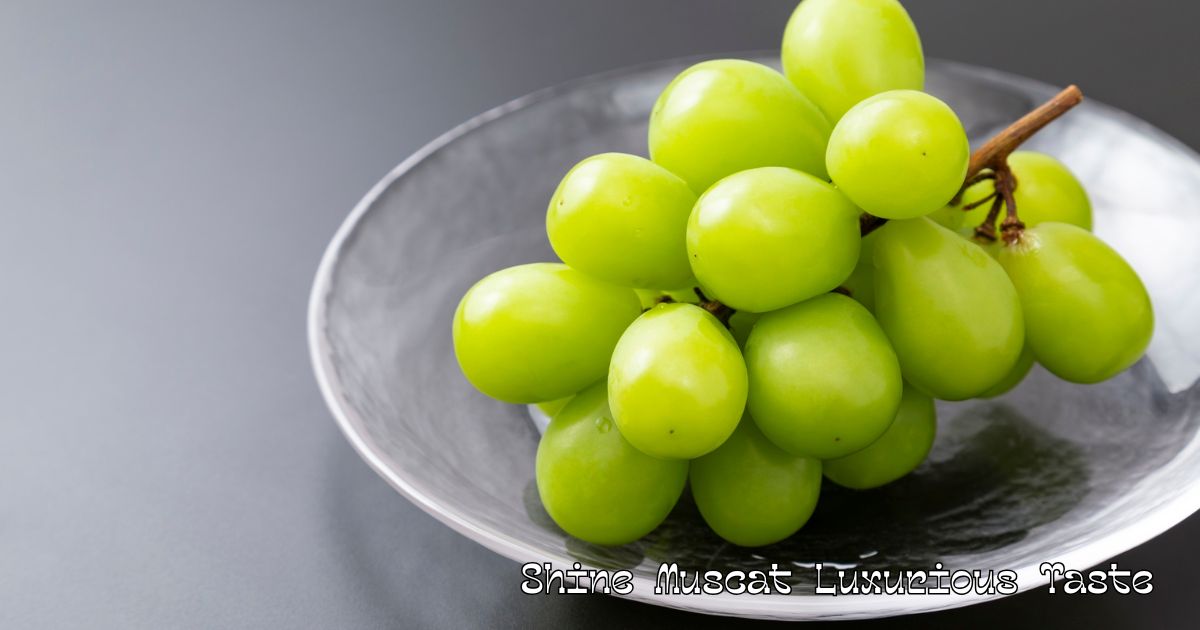
The price of Shine Muscat may surprise many travelers. A single bunch can cost anywhere from $30 to over $100, depending on quality. This is not accidental. Japanese farmers focus heavily on perfection, often limiting the number of grapes per vine to ensure the highest quality.
Each bunch is carefully pruned, shaped, and protected. In many cases, individual grapes are inspected by hand. This level of care naturally increases production costs, but it also guarantees a premium product.
Cultural Value in Japan
In Japan, fruit is often seen as a luxury gift rather than an everyday snack. High-quality fruits are presented beautifully and given on special occasions. Shine Muscat, with its flawless appearance and exceptional taste, fits perfectly into this tradition.
Therefore, when you buy Shine Muscat, you are not just paying for fruit you are paying for craftsmanship, culture, and presentation.
Read also – Malt Liquor: A Cultural Sip Around the World
Best Places to Experience Shine Muscat
Visiting Vineyards – Shine Muscat
Visiting Shine Muscat vineyards in Japan offers a calm and rewarding experience that goes far beyond simple sightseeing. As soon as you arrive, you step into a peaceful landscape where rows of carefully maintained grapevines stretch across gentle hills. The atmosphere feels quiet and intentional, which immediately sets the tone for a slower, more mindful kind of travel.
In regions like Yamanashi Prefecture and Okayama Prefecture, vineyards open their gates to visitors during the harvest season. Here, farmers take pride in sharing their craft, and they often guide you through the entire growing process. As you walk between the vines, you learn how each grape receives individual attention from pruning and spacing to protecting it from weather and insects. This hands-on insight helps you understand why Shine Muscat reaches such a high level of quality.
At the same time, many vineyards offer tasting experiences that feel both relaxed and special. You can sample freshly picked grapes right on the spot, which allows you to enjoy their full flavor at peak ripeness. The difference is noticeable these grapes taste brighter, juicier, and more aromatic than anything you find in stores. Because of this, the experience feels authentic and memorable.
Moreover, some farms provide “pick-your-own” activities. This adds an interactive element to your visit, letting you choose the best bunches yourself. As you carefully cut a cluster from the vine, you begin to appreciate the effort behind each perfectly shaped bunch.
To make the most of your visit, plan your trip between August and October. During this period, vineyards are at their most vibrant, and Shine Muscat is at its peak. Ultimately, visiting these vineyards connects you directly with the origin of this luxury fruit, turning a simple taste into a meaningful travel experience.
Fruit Picking Tours – Shine Muscat
Fruit picking tours in Japan offer one of the most enjoyable and interactive ways to experience Shine Muscat. Locally known as “fruit hunting,” these tours combine nature, culture, and taste into a single, memorable activity. Instead of simply buying grapes from a shop, you step directly into the orchard and become part of the process.
In regions such as Yamanashi Prefecture and Okayama Prefecture, fruit picking tours are especially popular during the harvest season. As you arrive, staff usually provide a short introduction, explaining how to select the best grapes and how to cut them properly. This guidance ensures that you not only enjoy the experience but also respect the care that goes into growing each bunch.
As you walk through the vineyard, you notice how carefully each grape cluster is protected, often wrapped or shaded to maintain perfect quality. When you finally pick your own Shine Muscat, the moment feels rewarding. The grapes taste fresher, sweeter, and more vibrant because you eat them right at their peak.
Many tours also offer all-you-can-eat packages within a set time limit. This allows you to sample multiple bunches and truly appreciate the subtle differences in flavor and texture. At the same time, the relaxed pace of the experience encourages you to slow down and enjoy each bite.
Additionally, fruit picking tours are suitable for all types of travelers. Whether you travel solo, as a couple, or with family, the activity feels accessible and engaging. It creates a connection not only with the food but also with the place and its traditions.
August and October
To get the best experience, plan your visit between August and October. During these months, Shine Muscat reaches its peak quality, and vineyards are full of life. Ultimately, fruit picking tours transform a simple grape into a hands-on travel highlight you will remember long after your trip ends.
Read also – Safe Countries in Asia for Solo Travel – All You Need To Know
Luxury Fruit Shops – Shine Muscat
If you prefer a more urban experience, high-end fruit shops in cities like Tokyo and Osaka offer beautifully packaged Shine Muscat.
These stores are unlike typical markets. Fruits are displayed like jewelry, with perfect lighting and elegant packaging. Visiting one of these shops can feel like stepping into a gallery.
Shine Muscat in Japanese Cuisine
Desserts and Sweets
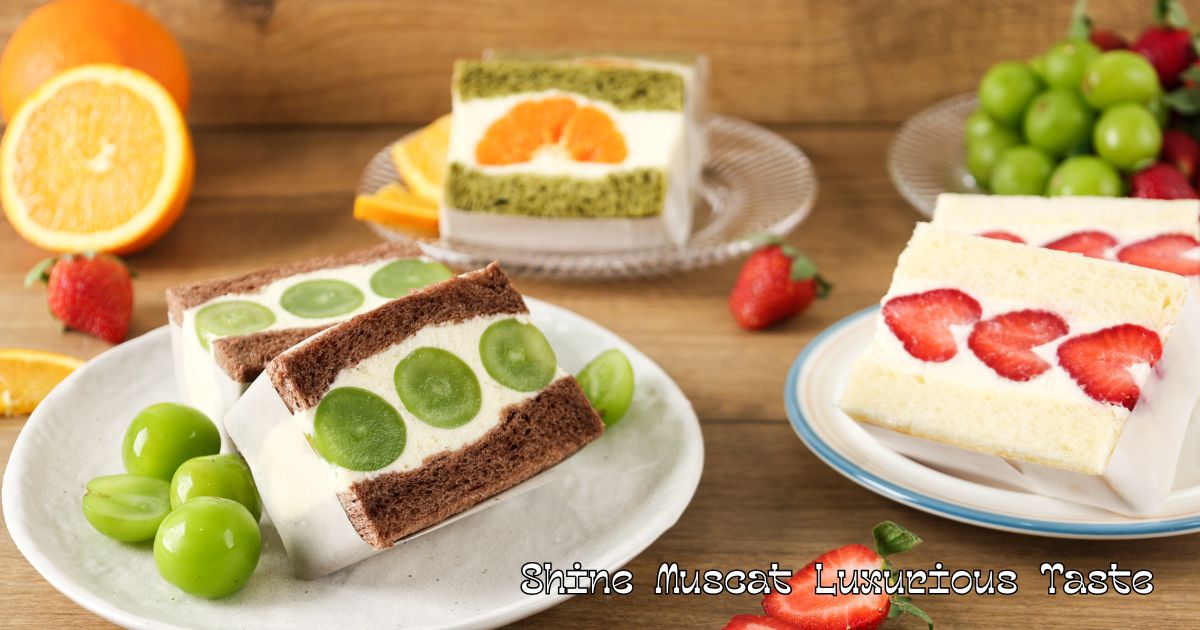
Shine Muscat brings a refined elegance to Japanese desserts, turning simple treats into something truly memorable. Thanks to its natural sweetness and delicate floral aroma, pastry chefs across Japan use this grape to create desserts that feel light, fresh, and beautifully balanced. As a result, every bite highlights the fruit rather than overwhelming it.
One of the most popular ways to enjoy Shine Muscat is in parfaits. These layered desserts often combine fresh grapes with whipped cream, sponge cake, and sometimes jelly or ice cream. With each spoonful, you experience a mix of textures the softness of cream, the lightness of cake, and the crisp, juicy bite of the grape. Because Shine Muscat holds its shape well, it adds both structure and visual appeal.
At the same time, fruit tarts showcase the grape in a slightly different way. Bakers carefully arrange whole Shine Muscat grapes on top of a creamy custard filling and a crisp pastry base. This combination creates a pleasant contrast between rich and refreshing elements. The grape’s sweetness cuts through the creaminess, which keeps the dessert from feeling too heavy.
Another standout option is daifuku, a traditional Japanese sweet made with soft rice dough. In this version, Shine Muscat pairs with lightly sweetened cream or red bean paste. When you bite into it, the chewy exterior gives way to a burst of juicy flavor inside. This contrast feels both surprising and satisfying.
Moreover, many cafés in cities like Tokyo and Osaka offer seasonal Shine Muscat desserts. Because these treats appear only during harvest months, they feel exclusive and worth seeking out.
Ultimately, Shine Muscat desserts celebrate simplicity and quality. Instead of masking the fruit, they enhance it, allowing its flavor and texture to shine in every carefully crafted bite.
Drinks and Beverages
Shine Muscat brings a fresh and elegant character to drinks, making it a favorite ingredient in beverages across Japan. Because of its naturally high sugar content and delicate floral aroma, it blends beautifully into both simple and more refined creations. As a result, whether you prefer something refreshing or slightly indulgent, Shine Muscat adapts effortlessly.
One of the most popular options is fresh juice. Many cafés prepare it on the spot, pressing the grapes to preserve their pure flavor. The result feels light, crisp, and naturally sweet without needing added sugar. As you sip, you notice how the gentle muscat fragrance enhances the overall experience, making it both refreshing and memorable.
At the same time, sparkling beverages offer a lively twist. By combining Shine Muscat juice with soda or sparkling water, these drinks highlight the grape’s brightness and create a clean, fizzy finish. This style works especially well during warm months, as it feels cooling and easy to enjoy while exploring cities like Tokyo or Osaka.
For those looking for something more unique, Shine Muscat is also used in specialty drinks such as smoothies and fruit teas. In smoothies, it pairs smoothly with yogurt or milk, creating a creamy yet refreshing texture. Meanwhile, fruit teas combine the grape with light tea bases, allowing the aroma to stand out without overpowering the drink.
Additionally, some wineries produce Shine Muscat wines, which offer a softer and more aromatic profile compared to traditional varieties. These wines often carry subtle sweetness and a gentle floral note, making them approachable even for those who do not usually drink wine.
From simple juices to elegant wines, each drink captures its natural sweetness and fragrance, turning an everyday refreshment into a refined experience.
Read also – Best Quiet Places in Asia to Relax
When Is the Best Time to Visit?
Seasonal Highlights – Shine Muscat
The best time to experience Shine Muscat is between August and October. During this period, the grapes are harvested and widely available across Japan.
Traveling during this season allows you to enjoy the freshest fruit, participate in vineyard tours, and try seasonal desserts. However, because this is a popular time, it is advisable to plan your trip in advance.
Read also – Budget Travel Asia Itinerary (7 Days): The Ultimate Affordable Adventure
Weather and Travel Tips
Late summer and early autumn in Japan can be warm, but the weather is generally pleasant for travel. Additionally, this season offers beautiful scenery, especially in rural areas where vineyards are located.
To make the most of your trip, consider combining your Shine Muscat experience with other seasonal attractions, such as festivals and nature walks.
Read also – Hidden Beaches in Southeast Asia
How to Choose the Best Shine Muscat
What to Look For
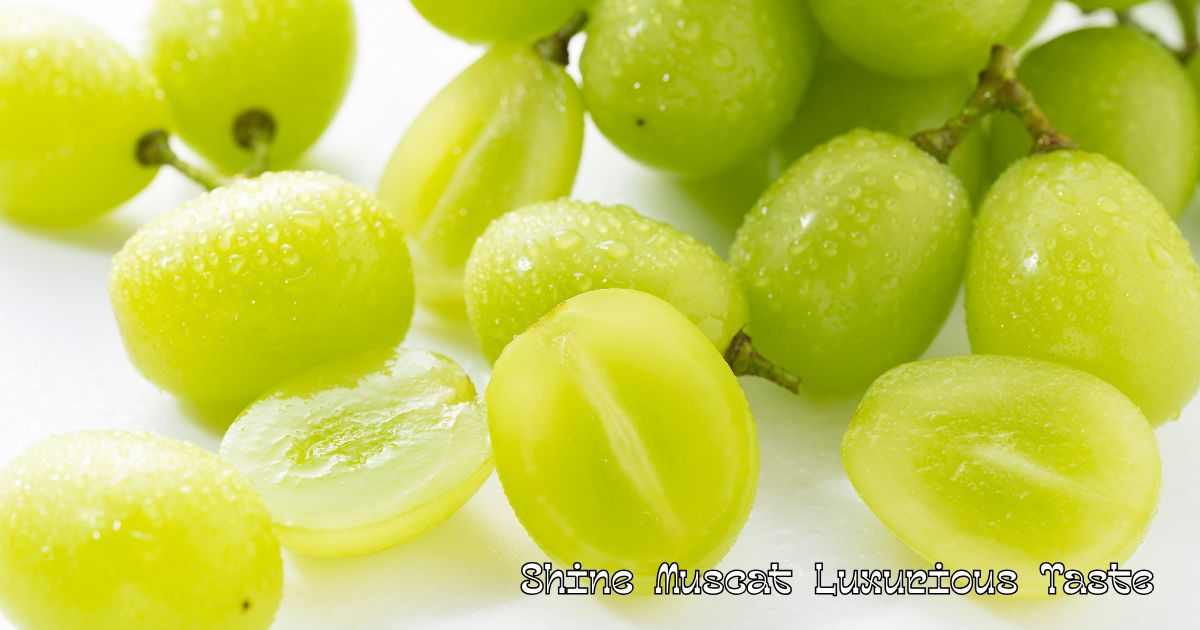
When selecting Shine Muscat, appearance is key. Look for grapes that are bright green, evenly colored, and free from blemishes. The berries should be firm and tightly packed on the stem.
In Japan, top-quality Shine Muscat often comes with certification labels, indicating that it meets strict standards.
Read also – Penukonda – A Timeless Fortress Town in Southern India
Storage and Handling – Shine Muscat
If you plan to bring Shine Muscat home, proper storage is essential. Keep the grapes refrigerated and consume them within a few days for the best flavor.
Because they are delicate, handle them gently to avoid bruising.
Read also – Maldives Overwater Bungalows: The Ultimate Dream Escape
Travel Tips for Shine Muscat Lovers
Budgeting for Luxury
Since Shine Muscat can be expensive, it is wise to set aside a portion of your travel budget specifically for this experience. Whether you choose vineyard tours or luxury shops, the cost is part of the journey.
Read also – Hulukudi Betta: Discover Hidden Gem in Karnataka
Combining Food and Travel
Travel becomes far more meaningful when you connect it with local food experiences. Instead of simply visiting landmarks, you engage with culture through flavors, traditions, and everyday rituals. In Japan, this connection feels especially natural, as food plays a central role in daily life and seasonal celebrations.
As you move from one region to another, you quickly notice how each place offers something unique. For example, rural areas like Yamanashi Prefecture invite you to slow down and enjoy nature while tasting freshly harvested fruits. These moments create a strong sense of place, allowing you to understand how climate and care influence every bite. At the same time, regions such as Okayama Prefecture highlight the importance of craftsmanship, where farmers dedicate time and precision to produce exceptional quality.
Meanwhile, cities like Tokyo and Osaka offer a completely different perspective. Here, you experience how traditional ingredients transform into modern desserts, elegant drinks, and beautifully presented dishes. By exploring cafés, markets, and specialty shops, you see how innovation blends with tradition in a seamless way.
Moreover, combining food and travel encourages you to be more present. Instead of rushing through your itinerary, you pause to enjoy meals, visit local producers, and try seasonal specialties. These experiences often become the most memorable parts of a trip because they engage all your senses.
Ultimately, when you travel with a focus on food, you gain a deeper appreciation for the destination. You do not just see a place you taste it, feel it, and remember it long after your journey ends.
Respecting Local Culture – Shine Muscat
Respecting local culture adds depth and meaning to every journey. When you travel through Japan, you quickly notice how politeness, mindfulness, and attention to detail shape everyday interactions. By understanding and following these cultural norms, you not only show respect but also create smoother and more rewarding experiences.
To begin with, simple gestures make a big difference. Greeting people with a slight bow, speaking softly, and using basic polite phrases help you connect with locals. Even if you are not fluent in Japanese, the effort itself is appreciated. As you move through places like Tokyo or Osaka, you will notice how calm and orderly public spaces feel. Therefore, keeping noise levels low and respecting queues becomes essential.
At the same time, visiting rural areas such as Yamanashi Prefecture or Okayama Prefecture requires an extra level of awareness. Farms and vineyards are private working spaces, so following instructions, staying within designated areas, and handling products carefully is important. These small actions show appreciation for the effort behind local production.
Moreover, dining etiquette plays a key role in cultural respect. For example, it is customary to say “itadakimasu” before eating and “gochisousama” after finishing a meal. While these phrases are not mandatory for visitors, using them demonstrates awareness and respect for tradition. Additionally, avoid wasting food, as it reflects poorly on your appreciation of the meal.
Ultimately, respecting local culture is about being observant and considerate. By adapting to local customs, you create positive interactions and gain a deeper understanding of the destination. In return, your travel experience becomes more authentic, meaningful, and memorable.
Frequently Asked Questions
Shine Muscat has edible skin, no seeds, and a uniquely sweet, aromatic flavor that sets it apart.
Yes, but high-quality Shine Muscat is most commonly found in Japan.
Yes, many farms offer tours and fruit-picking experiences during harvest season.
The high price reflects careful cultivation, strict quality standards, and cultural value.
The best time is from August to October during the harvest season.
Conclusion
Shine Muscat leaves a lasting impression that goes far beyond its appearance. As you explore it across Japan, you begin to understand that this grape represents a deeper story one built on precision, patience, and a strong respect for quality. From the moment you taste its balanced sweetness to the time you experience it fresh at a vineyard, every detail feels intentional and refined.
Moreover, the journey of discovering Shine Muscat naturally blends into a broader travel experience. Whether you walk through vineyards in Yamanashi Prefecture, enjoy fruit picking in Okayama Prefecture, or sit in a café in Tokyo tasting a seasonal dessert, each moment connects you more deeply to the culture. These small yet meaningful experiences turn a simple fruit into a highlight of your trip.
At the same time, Shine Muscat teaches you to slow down and appreciate the details. Its perfect texture, elegant aroma, and careful presentation encourage a more mindful way of enjoying food. Instead of rushing, you take your time, noticing each flavor and texture as it unfolds.
In the end, Shine Muscat is not just something you try it is something you remember. It adds a unique and luxurious layer to your travels, offering both taste and insight into Japanese craftsmanship. If you are looking for a distinctive experience that combines food, culture, and travel, then is more than worth the journey.