
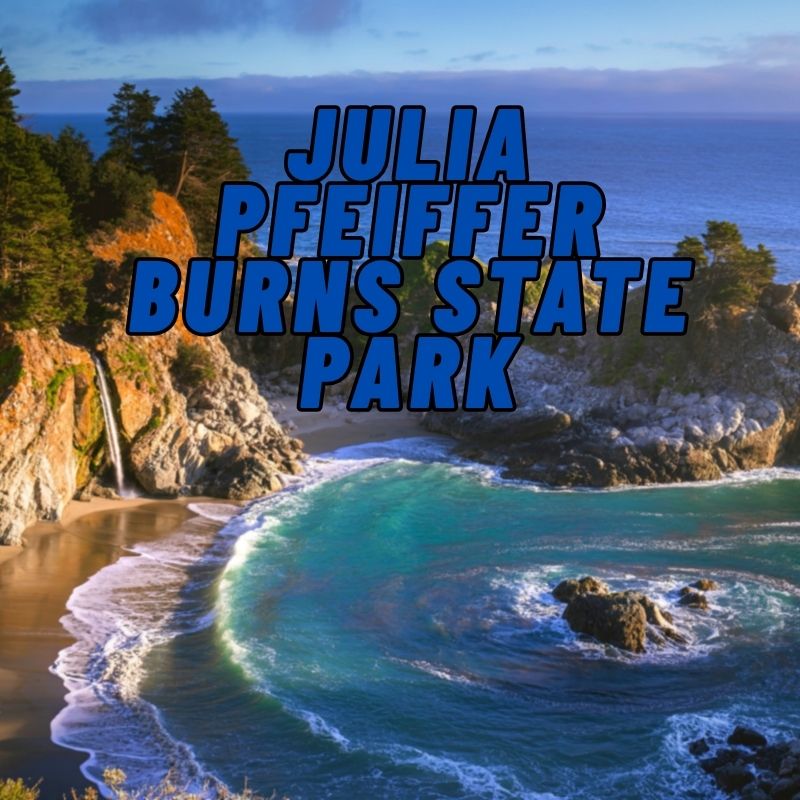
Where Dramatic Cliffs Meet the Pacific Ocean
Julia Pfeiffer Burns State Park – Perched along the rugged coastline of Big Sur, Julia Pfeiffer Burns State Park offers one of the most breathtaking natural landscapes in California. From the very first moment you approach the park, you notice how the Santa Lucia Mountains rise sharply from the Pacific Ocean, creating a dramatic contrast between land and sea. This unique geography instantly sets the tone for an unforgettable experience. Unlike many coastal destinations that feel crowded or overly commercialized, this park maintains a sense of raw beauty and peaceful isolation.
As you explore further, you begin to understand why this location is often considered one of the highlights of the California coast. Towering cliffs plunge into turquoise waters, while dense redwood forests create a cool, shaded retreat inland. Because of this combination, the park offers more than just scenic viewpoints it delivers a multi-layered experience where every turn reveals something new. Moreover, the sound of crashing waves blends seamlessly with the whisper of wind through the trees, creating a calming natural soundtrack that enhances the overall atmosphere.
In addition, the park’s relatively small size makes it easy to navigate while still feeling expansive. You can transition from coastal vistas to forest trails within minutes, which keeps your visit dynamic and engaging. As a result, even a short trip feels rich and fulfilling. Whether you arrive at sunrise or late in the afternoon, the shifting light continuously transforms the landscape, ensuring that no two visits feel the same. Consequently, photographers, nature lovers, and casual travelers alike find endless inspiration here.
The Story Behind the Park’s Name – Julia Pfeiffer Burns State Park
Understanding the history of Julia Pfeiffer Burns State Park adds another layer of appreciation to your visit. The park is named after Julia Pfeiffer Burns, a well-respected early settler in the Big Sur region. She was known for her strength, resilience, and deep connection to the land, qualities that continue to define the spirit of this area today. By naming the park after her, the state honored not just a person, but also the legacy of those who helped shape Big Sur into what it is now.
Furthermore, Julia Pfeiffer Burns lived during a time when this region was remote and largely inaccessible. Life here required determination and adaptability, and she embodied both. As you walk through the park, it becomes clear why her name remains tied to this landscape. The environment still feels wild and untamed, offering a glimpse into what early settlers might have experienced. Therefore, visiting the park is not just about enjoying natural beauty it is also about connecting with its human history.
In addition, the park reflects a broader effort to preserve California’s natural heritage. Established in 1962, it has since become a protected area where ecosystems can thrive without the pressures of urban development. Because of this, the park remains a sanctuary for both wildlife and visitors seeking a genuine escape from modern life. This sense of preservation enhances the experience, making every moment feel more meaningful and authentic.
Read also – Budget Travel Asia Itinerary (7 Days): The Ultimate Affordable Adventure
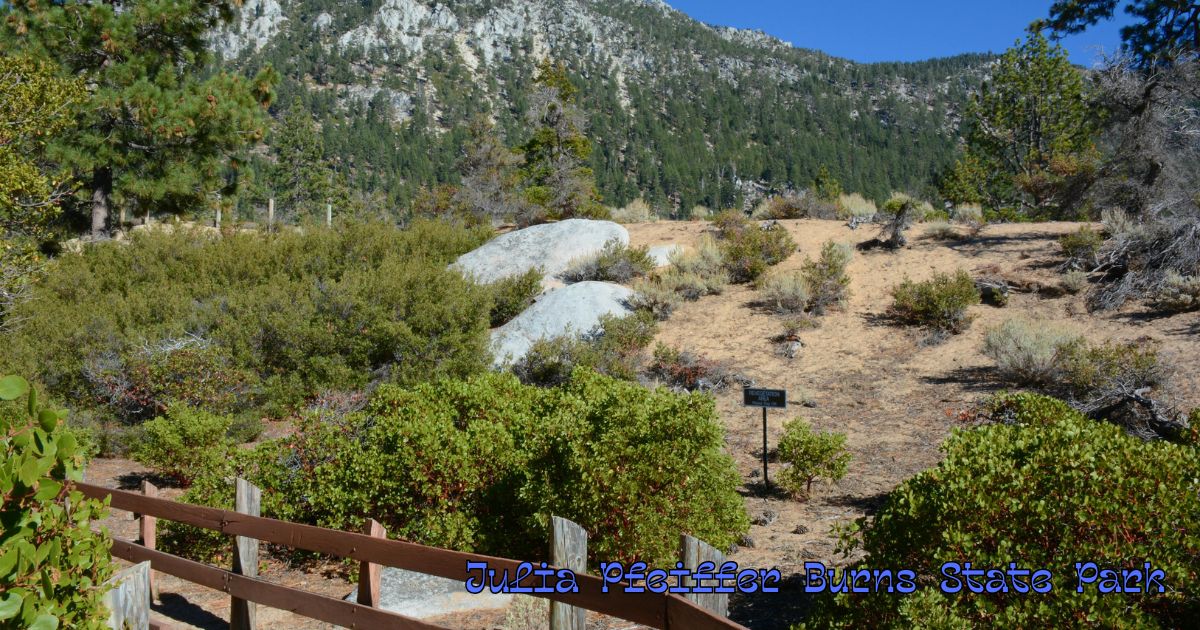
Why This Park Stands Out in Big Sur
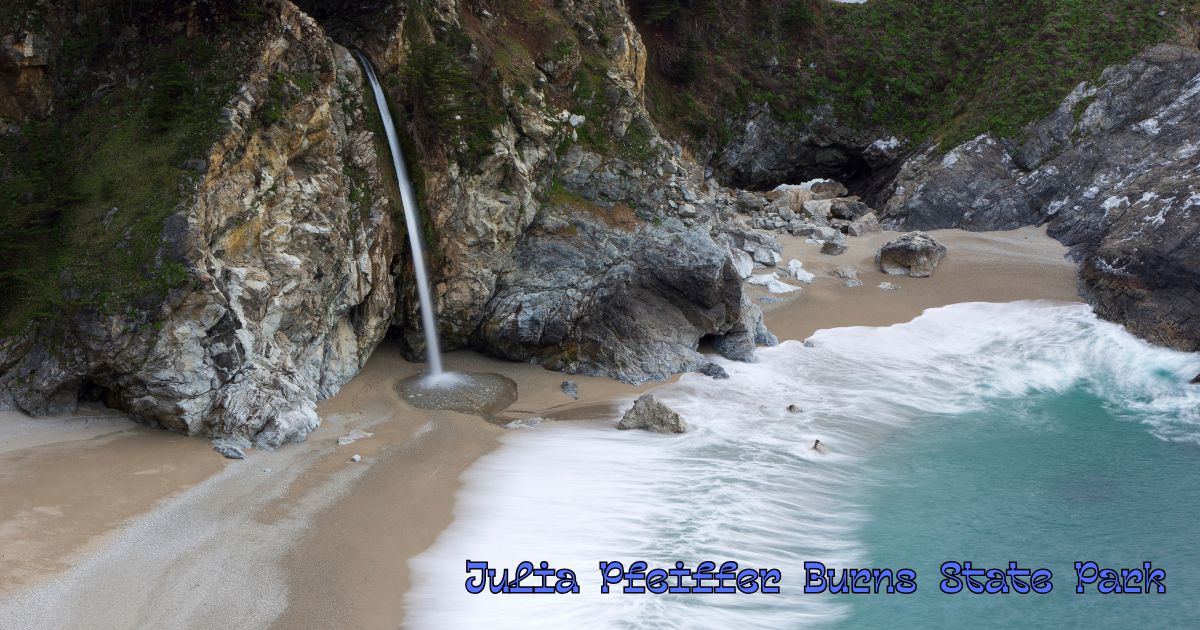
Although Big Sur is filled with stunning locations, Julia Pfeiffer Burns State Park stands out for several compelling reasons. First and foremost, it is home to one of the most iconic waterfalls in the world: McWay Falls. Unlike typical waterfalls that flow into rivers, McWay Falls drops directly onto a secluded beach, creating a rare and mesmerizing sight. This unique feature alone draws visitors from around the globe.
However, the park offers much more than just a single attraction. Its well-maintained trails provide easy access to some of the most scenic viewpoints along the coast. For example, short hikes lead you through tunnels of greenery before opening up to panoramic ocean views. Because these trails are relatively accessible, visitors of all fitness levels can enjoy them without difficulty. As a result, the park strikes a perfect balance between adventure and convenience.
Moreover, the park’s atmosphere feels quieter compared to other popular spots in Big Sur. While it does attract visitors, it never feels overwhelmingly crowded if you time your visit wisely. Early mornings and weekdays, in particular, offer a more მშვიდ and intimate experience. This allows you to fully immerse yourself in the surroundings without distractions. In turn, you can focus on the details—the texture of the cliffs, the movement of the waves, and the subtle shifts in light.
Another reason the park stands out is its commitment to conservation. Unlike heavily developed tourist areas, this park limits access to certain zones in order to protect fragile ecosystems. For instance, the beach beneath McWay Falls is not accessible, which helps preserve its pristine condition. While this might seem restrictive at first, it ultimately ensures that future generations can enjoy the same untouched beauty.
First Impressions and What to Expect – Julia Pfeiffer Burns State Park
When you arrive at Julia Pfeiffer Burns State Park, your first impression will likely be shaped by the scenic drive along Highway 1 California. This iconic route winds along the cliffs, offering breathtaking views even before you enter the park. As you approach, you will notice designated parking areas and clearly marked trails, making navigation straightforward from the start.
Once inside, you will quickly realize that this park is designed for exploration at a relaxed pace. Instead of rushing from one attraction to another, you are encouraged to slow down and take in your surroundings. The main trail leading to McWay Falls is short and well-maintained, making it accessible for most visitors. Along the way, informational signs provide insights into the park’s geology, flora, and history, adding educational value to your walk.
Additionally, the park offers a mix of environments within a compact area. You can begin your visit with ocean views, then transition into shaded forest trails within minutes. This variety keeps the experience engaging and prevents it from feeling repetitive. Furthermore, the changing elevations provide different perspectives, allowing you to see the coastline from multiple angles.
It is also important to set realistic expectations. While the park is incredibly beautiful, it is not designed for long, strenuous hikes or extensive beach activities. Instead, it excels as a scenic stop where you can enjoy short walks, take photographs, and connect with nature. Therefore, planning your visit as part of a broader Big Sur itinerary works particularly well.
Read also – OYO Booking Confirmation Message: Everything You Need to Know Before You Travel
The Magic of McWay Falls
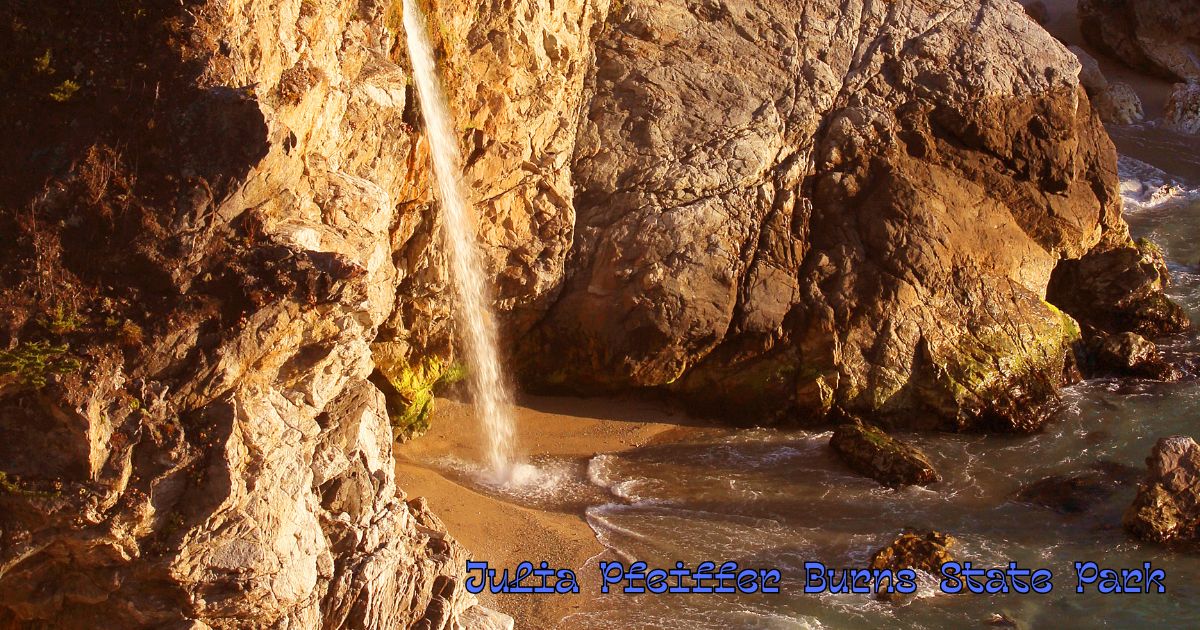
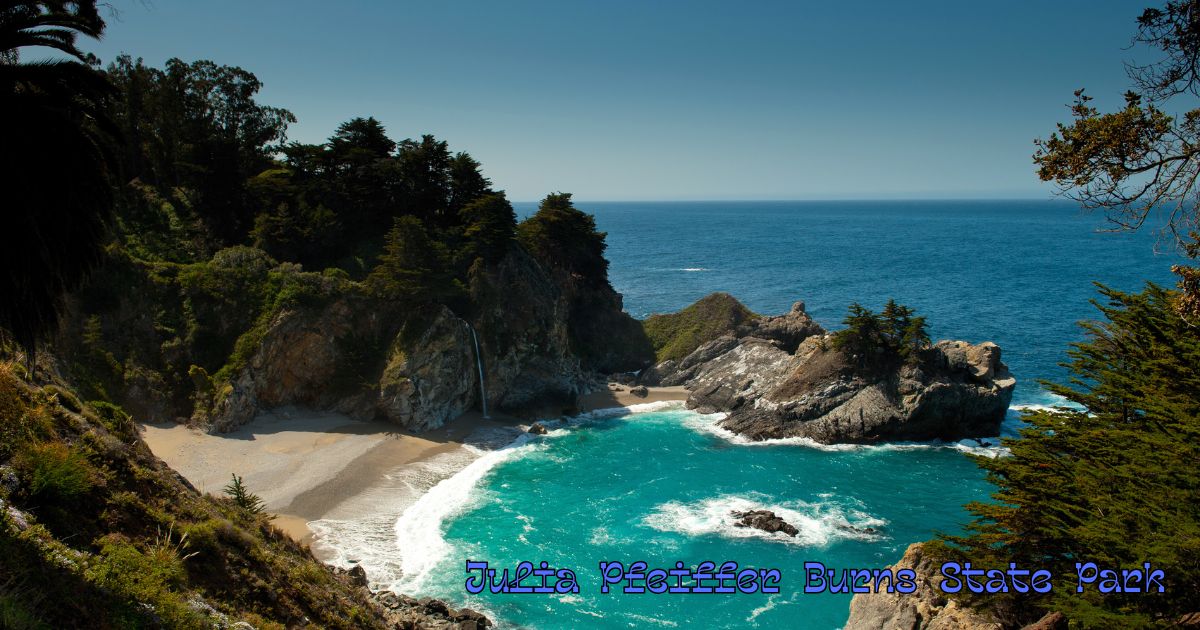
Without a doubt, McWay Falls is the crown jewel of Julia Pfeiffer Burns State Park, and it immediately captures your attention with its rare beauty. As you follow the short trail leading to the overlook, anticipation builds with every step. Then suddenly, the landscape opens up to reveal a stunning 80-foot waterfall cascading directly onto a pristine sandy cove. Because very few waterfalls in the world flow straight into the ocean, this sight feels both unique and almost surreal.
Moreover, the turquoise waters surrounding the falls shift in color depending on the sunlight, creating a constantly changing visual experience. During midday, the ocean appears bright and vibrant, while in the late afternoon, softer golden tones take over. As a result, photographers often return multiple times just to capture the scene under different lighting conditions. In addition, the protected nature of the cove ensures that it remains untouched, which adds to its dreamlike quality.
Although visitors cannot access the beach itself, the elevated viewpoints provide excellent angles for appreciating the falls. This restriction, however, serves an important purpose. By limiting foot traffic, the park preserves the fragile ecosystem and maintains the area’s natural beauty. Therefore, while you might initially wish to get closer, you soon realize that the distant perspective actually enhances the experience.
Furthermore, the trail to McWay Falls is easy and well-marked, making it suitable for all types of travelers. Whether you are visiting with family, traveling solo, or exploring as a couple, this iconic viewpoint remains accessible and rewarding. Consequently, it becomes the highlight of most visits and a must-see stop along the Big Sur coastline.
Coastal Views That Take Your Breath Away – Julia Pfeiffer Burns State Park
Beyond McWay Falls, the park offers a series of breathtaking coastal viewpoints that showcase the raw power of the Pacific Ocean. As you move along the trails, you will notice how the cliffs rise dramatically above the water, creating sweeping panoramic views. Each viewpoint presents a slightly different perspective, which keeps the experience fresh and engaging from start to finish.
In particular, the contrast between the deep blue ocean and the rugged brown cliffs creates a striking visual composition. On clear days, the horizon stretches endlessly, giving you a sense of vastness and freedom. Meanwhile, waves crash against the rocks below, adding movement and energy to the scene. Because of this dynamic combination, the coastline never feels static—it is constantly changing and evolving.
Additionally, the soundscape plays an important role in shaping your experience. The rhythmic crashing of waves, combined with the occasional call of seabirds, creates a calming yet powerful atmosphere. As you pause to take in the view, you may find yourself fully immersed in the moment, بعيد from the distractions of everyday life. This sense of connection to nature is one of the park’s most valuable offerings.
Another advantage of these viewpoints is their accessibility. Unlike more remote coastal destinations, Julia Pfeiffer Burns State Park allows you to enjoy spectacular scenery without requiring long or difficult hikes. This makes it an ideal stop for travelers who want to experience Big Sur’s beauty without committing to a full trek. As a result, the park appeals to a wide range of visitors, from casual tourists to dedicated nature enthusiasts.
Read also – Haneda Airport to Tokyo: The Ultimate Transportation Guide for First-Time Travelers
Hidden Redwood Groves and Forest Trails – Julia Pfeiffer Burns State Park
While the coastline often takes center stage, the inland areas of the park reveal an entirely different world. As you venture away from the ocean, you enter a forest filled with towering redwood trees. These ancient giants create a cool, shaded environment that contrasts beautifully with the sunlit cliffs above. Because of this shift in scenery, the park feels much larger and more diverse than it initially appears.
Walking through the redwood groves, you will notice how the temperature drops and the air becomes fresher. The dense canopy filters sunlight, allowing only soft beams to reach the forest floor. This creates a peaceful, almost mystical atmosphere that encourages you to slow down and explore at your own pace. In addition, the earthy scent of the forest adds another sensory layer to your experience.
The park features several short trails that wind through these wooded areas, offering a chance to connect with nature on a deeper level. Unlike the coastal viewpoints, which focus on expansive vistas, the forest trails invite you to appreciate smaller details. For instance, you might observe the texture of tree bark, the patterns of fallen leaves, or the gentle flow of a nearby stream. These subtle elements contribute to a more intimate and reflective experience.
Furthermore, the diversity of plant life within the forest highlights the ecological richness of the region. Ferns, mosses, and wildflowers thrive in the shaded environment, creating a lush and vibrant landscape. Because of this biodiversity, the park serves as an important habitat for various species of wildlife. Therefore, as you explore, you may encounter birds, small mammals, or even deer moving quietly through.
Read also – Best Airlines for Long Flights: Comfort, Service, and Value
Wildlife and Natural Ecosystems
Julia Pfeiffer Burns State Park is not only a visual masterpiece but also a thriving ecosystem that supports a wide range of wildlife. As you explore different of the park, you will notice how each environment from coastal cliffs to dense forests provides a unique habitat. This diversity plays a crucial role in maintaining the ecological balance of the region.
Along the coastline, seabirds are among the most visible. You might spot gulls soaring overhead or perched on rocky outcrops, scanning the water for food. Occasionally, pelicans glide effortlessly above the waves, adding to the dramatic scenery. In addition, if you visit during migration seasons, you may even catch a glimpse of whales in the distance, which adds an extra layer of excitement to your visit.
Moving inland, the forested areas are home to a different set of species. Deer are commonly seen grazing in clearings, while smaller animals such as squirrels and rabbits move quickly through the underbrush. Because these are accustomed to a environment, they often appear more relaxed than in busier parks. This increases your chances of observing them in their natural behavior.
Moreover, the park’s efforts ensure that these ecosystems remain healthy and sustainable. By limiting human impact and preserving natural habitats, the park allows wildlife to thrive without disruption. This commitment to conservation not only benefits the but also enhances your experience as a visitor. Knowing that you are witnessing nature in its purest form makes each encounter more meaningful.
Read also – Maldives Overwater Bungalows: The Ultimate Dream Escape
Frequently Asked Questions
The best time to visit is during spring and fall when the weather is mild and the crowds are smaller. However, early mornings year-round offer the most peaceful experience. If you want the best lighting for photos of McWay Falls, aim for sunrise or late afternoon.
No, access to the beach below McWay Falls is not allowed. This restriction helps preserve the fragile ecosystem and maintain the area’s untouched beauty. Visitors can still enjoy incredible views from the designated overlook trails.
Most visitors spend about 1 to 2 hours exploring the park. The main attractions are easily accessible via short trails, making it a perfect during a drive along Highway 1 California.
Yes, there is a small entrance fee for parking within the park. Prices may vary, so it’s a good idea to check ahead of your visit. If you are traveling through Big Sur, the fee is generally worth it for the and views offered.
Conclusion
Julia Pfeiffer Burns State Park is more than just a scenic stop along Big Sur it is a place where nature, history, and tranquility come together in perfect harmony. From the iconic beauty of McWay Falls to the redwood groves and dramatic coastal cliffs, every corner of the park offers something unique and memorable. Because of this diversity, even a short visit feels rich with experiences that stay with you long after you leave.
Moreover, the park invites you to slow down and truly connect with your surroundings. Instead of rushing through attractions, you find yourself pausing more often whether to watch waves crash against the rocks, listen to the wind through the trees, or simply take in the vast ocean views. As a result, the experience becomes not just visual, but deeply emotional and restorative. This is exactly what makes the park stand out among California’s many природни destinations.
In addition, its commitment to preservation ensures that the landscape remains as untouched as possible. While certain restrictions may limit access to specific areas, they ultimately protect the fragile ecosystems that make this place so special. Therefore, every viewpoint you enjoy and every trail you walk feels authentic and carefully maintained for future generations.
Finally, whether you are planning a dedicated trip or stopping along Highway 1 California, Julia Pfeiffer Burns State Park delivers an experience that blends simplicity with awe-inspiring beauty. It reminds you that sometimes the most powerful travel moments come not from busy itineraries, but from quiet places where nature speaks for itself.