
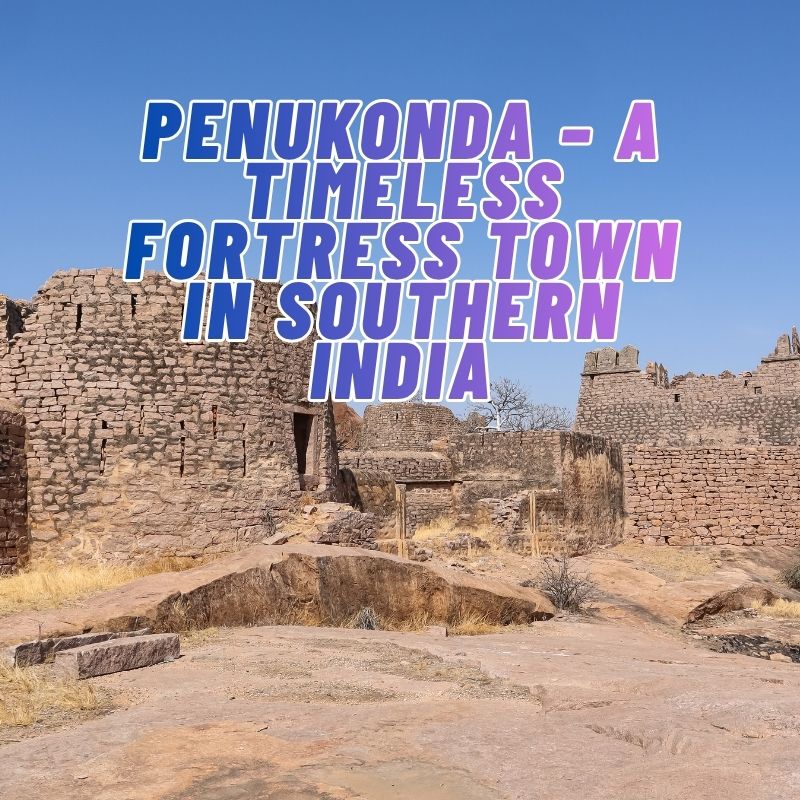
Penukonda and Its Historical Essence
Where Is Penukonda and Why It Matters
Nestled in the quiet landscapes of Andhra Pradesh, Penukonda is a place that speaks softly yet carries centuries of powerful history. Located about 70 kilometers from Anantapur, this ancient town once served as a stronghold of kings, warriors, and visionaries. At first glance, it may seem like a calm and lesser-known destination, however, as you move deeper into its stone pathways and towering walls, its significance begins to unfold gradually.
Interestingly, Penukonda was not just another settlement. In fact, after the fall of the great Battle of Talikota, it became the second capital of the mighty Vijayanagara Empire. Because of this, the town carries a unique blend of resilience and revival. You can almost feel how history paused here, gathered strength, and continued forward.
Moreover, rocky hills and fortified walls surround Penukonda, making it naturally secure. This geographical advantage helped leaders choose it as a capital. At the same time, the region’s quiet charm today offers travelers a peaceful escape from crowded tourist hubs.
A Place Where Time Slows Down – Penukonda
As you walk through Penukonda, you will notice something quite special. Unlike busy historical cities, this place moves at a slower rhythm. Crowds do not overwhelm the ruins; therefore, you can truly connect with the surroundings. Each structure, whether broken or preserved, tells a story but in a calm, almost whispering way.
Additionally, the dry yet beautiful terrain adds a dramatic backdrop. The golden sunlight reflecting on ancient stones creates a timeless atmosphere. Because of this, Penukonda is not only a historical site but also a place for reflection and quiet exploration.
From Strategic Fort to Royal Capital
Following the devastating defeat of the Vijayanagara forces in the Battle of Talikota, the empire needed a new center to regroup and rebuild. Consequently, Penukonda emerged as the ideal choice. It was not only geographically secure, but its strong fortifications also allowed builders to strengthen it further.
During this period, rulers like Tirumala Deva Raya played a crucial role in shifting the capital here. As a result, Penukonda transformed from a defensive outpost into a thriving administrative and cultural hub. Builders constructed palaces, temples, and public buildings with careful planning and artistic detail.
Furthermore, the town became a symbol of continuity. Even though the empire had suffered a major setback, Penukonda represented hope and determination. It was here that the legacy of Vijayanagara continued, even if for a shorter time.
Read also – Best Places to See Redwood Trees – A Complete Guide
Architectural Brilliance That Still Stands – Penukonda
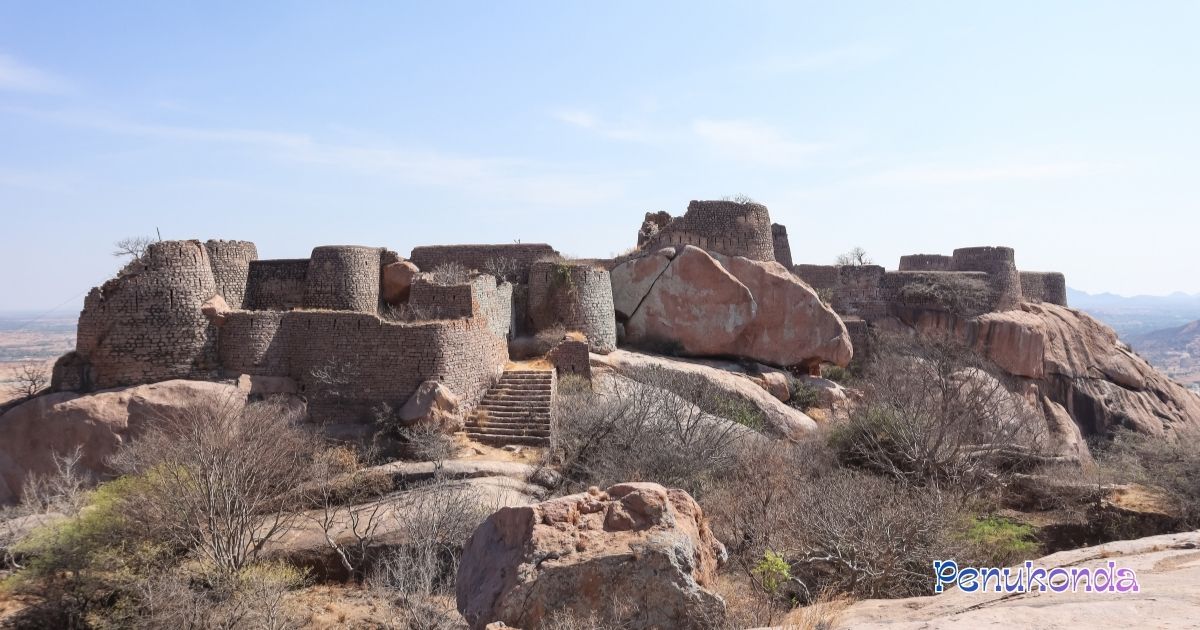
One of the most fascinating aspects of Penukonda is its architecture. The structures here reflect the elegance and engineering skills of the Vijayanagara period. For instance, the famous Gagan Mahal stands as a remarkable example. Built with a mix of Indo-Islamic styles, this palace once served as a royal residence.
Moreover, the fortifications of Penukonda spread across multiple layers. Builders designed massive gates, watchtowers, and stone walls not only for defense but also for visual grandeur. As you explore these areas, you can clearly see how they combined function and beauty seamlessly.
In addition to this, several temples in the region showcase intricate carvings and spiritual artistry. These temples were not just places of worship but also centers of community life. Therefore, Penukonda was as much a cultural hub as it was a political one.
A Sacred Landscape Beyond Its Fort Walls – Penukonda
While people widely know Penukonda for its fort and royal history, it also holds deep spiritual importance. As you move beyond the defensive structures, you begin to discover a different side of the town rooted in devotion and tradition.
Among the most notable spiritual sites is the Sri Lakshmi Narasimha Swamy Temple. This temple attracts devotees from various regions, especially during festivals. The energy here feels both powerful and peaceful, creating a unique spiritual experience.
Additionally, tradition associates Penukonda with saints and spiritual teachers who once lived or meditated in the area. Because of this, the town carries an aura of calmness that goes beyond its physical beauty.
Traditions That Continue Through Time – Penukonda
Even today, local communities in Penukonda continue to follow traditions passed down for generations. They celebrate festivals with sincerity and perform rituals with deep respect. This continuity adds another layer of richness to the town’s identity.
Furthermore, the blend of history and spirituality makes Penukonda a holistic destination. You are not just visiting ruins; you are stepping into a living cultural space. The chants from temples, the quiet prayers of devotees, and the simplicity of daily life all contribute to this experience.
Because of this, Penukonda offers something rare a connection between past and present that feels natural and unforced.
Read also – Hidden Beaches in Southeast Asia
Why Travelers Are Slowly Discovering Penukonda
In recent years, travelers have started to look beyond popular destinations. As a result, hidden gems like Penukonda are gaining attention. However, unlike crowded tourist spots, this town still retains its authenticity.
One of the main reasons people visit Penukonda is for its peaceful atmosphere. There are no large crowds, no noise, and no rush. Instead, you get time to explore at your own pace. Whether you are walking through ancient gates or sitting quietly near a temple, the experience feels personal and meaningful.
Moreover, Penukonda is ideal for history lovers, photographers, and those seeking solitude. The textures of old stones, the vast open skies, and the silence of ruins create a perfect setting for reflection.
What to See and Experience – Penukonda
When visiting Penukonda, there are several key places you should not miss. The fort itself is a vast area, so exploring it can take hours. Each section reveals something new, from hidden pathways to scenic viewpoints.
Additionally, visiting Gagan Mahal allows you to imagine the royal life that once existed here. The temple visits, on the other hand, offer a completely different experience one that is spiritual and grounding.
Another interesting aspect is the local lifestyle. The simplicity of life here contrasts beautifully with the grandeur of its past. This balance makes Penukonda a truly unique destination.
Finally, the surrounding nature adds to its charm. The rocky hills and open landscapes are perfect for short hikes and quiet moments. Therefore, Penukonda is not just a place you visit it is a place you feel.
A Fortress Built for Survival and Power
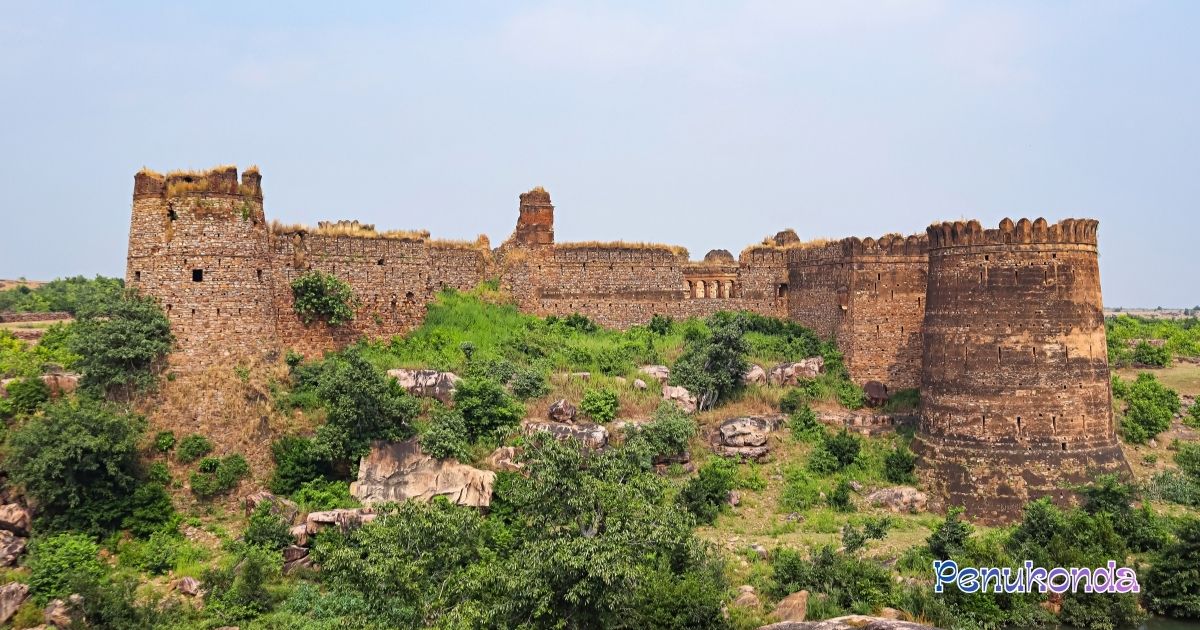
As you begin to explore deeper into Penukonda, the scale of its fortifications becomes impossible to ignore. In fact, the entire town was designed as a defensive masterpiece. Unlike many forts that stand alone, Penukonda’s fortifications stretch across hills, valleys, and natural rock formations, creating a layered system of protection.
Initially, the builders of Penukonda took full advantage of the rugged terrain. Because of this, builders did not just construct the fort walls; they integrated them into the landscape itself. Massive stone blocks, carefully placed watchtowers, and strategically positioned gates worked together to form an almost impenetrable barrier.
Moreover, the fort included multiple entry points, each designed with defensive traps. Enemies who attempted to invade would have to pass through narrow passages, steep climbs, and guarded checkpoints. Therefore, the fort was not only strong but also intelligently planned.
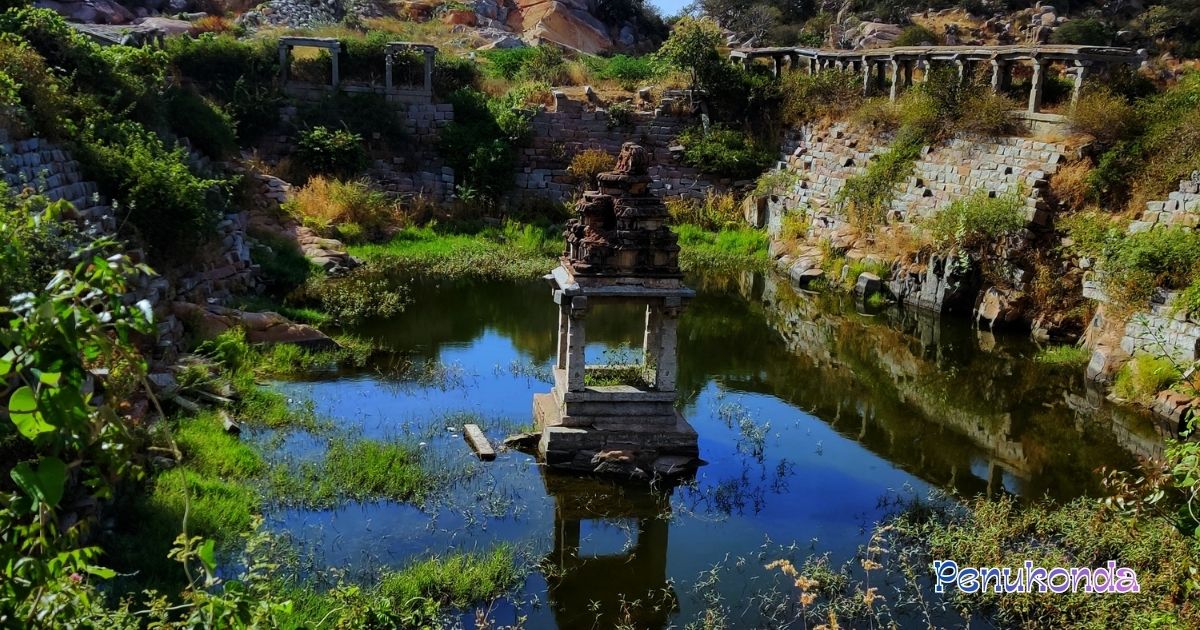
Additionally, water reservoirs and storage systems were built within the fort complex. This ensured that even during long sieges, the inhabitants could survive without relying on external supplies. As a result, Penukonda was more than a shelter it was a self-sustaining stronghold.
HWalking Through Layers of Defense
Today, as you walk through these ancient pathways, you can still feel the strategic thinking behind every structure. Each gate tells a story of vigilance, while every wall reflects resilience. Interestingly, the silence of the ruins adds to their power. There are no soldiers anymore, yet the sense of protection remains.
Furthermore, the climb up the fort offers breathtaking views of the surrounding landscape. From the top, you can see why this location was chosen; it provides a clear vantage point in all directions. Consequently, Penukonda is not just defended; it is always aware.
A Royal Residence with Elegant Simplicity – Penukonda
Among the many structures in Penukonda, the Gagan Mahal stands out as one of the most iconic. Built during the Vijayanagara period, this palace once served as a royal residence. However, unlike the heavily fortified walls, Gagan Mahal reflects a softer, more refined side of the town.
The name “Gagan Mahal” translates to “Sky Palace,” and as you look at its tall arches and open spaces, the name feels perfectly fitting. The structure is designed to allow light and air to flow freely, creating a comfortable environment even in the warm climate.
In addition, the palace showcases a blend of architectural styles. Elements of Indo-Islamic design can be seen in its arches and symmetry, while traditional South Indian influences are present in its layout. Because of this combination, the building feels both unique and harmonious.
Read also – Best Quiet Places in Asia to Relax
Echoes of Royal Life – Penukonda
Although the palace now stands in partial ruin, it still carries echoes of its past. You can imagine royal gatherings, quiet conversations, and moments of decision that once took place within these walls. The open hall, in particular, feels like a space where history paused and unfolded at the same time.
Moreover, the simplicity of the structure adds to its charm. It is not overly decorated, yet it feels grand. This balance reflects the values of the time strength combined with elegance.
As you stand inside Gagan Mahal, looking up at the sky through its arches, there is a quiet sense of connection. It is as if the building still breathes, gently reminding visitors of its royal past.
Spiritual Architecture That Inspires – Penukonda
Beyond its military and royal structures, Penukonda is also home to several temples that reflect deep spiritual devotion. These temples are not just places of worship; they are works of art, carved with precision and care.
One of the most significant among them is the Sri Lakshmi Narasimha Swamy Temple. Dedicated to Lord Narasimha, this temple holds great importance for devotees. The intricate carvings on its pillars and walls depict mythological stories, adding both beauty and meaning to the structure.
Furthermore, many smaller temples are scattered throughout the region. Each one has its own story, its own energy, and its own connection to the people. Because of this, exploring Penukonda feels like moving through a spiritual landscape.
A Living Tradition
Even though centuries have passed, the temples of Penukonda are still active. Rituals are performed daily, and festivals bring the town to life. This continuity creates a strong link between the past and the present.
Additionally, the peaceful atmosphere inside these temples offers a moment of stillness. The sound of bells, the fragrance of incense, and the quiet prayers of visitors create a deeply calming experience.
Therefore, visiting these temples is not just about seeing architecture it is about feeling a connection that has been preserved through time.
Read also – Cheap Places to Travel in Asia – All you Need to Know
A Landscape That Complements History – Penukonda
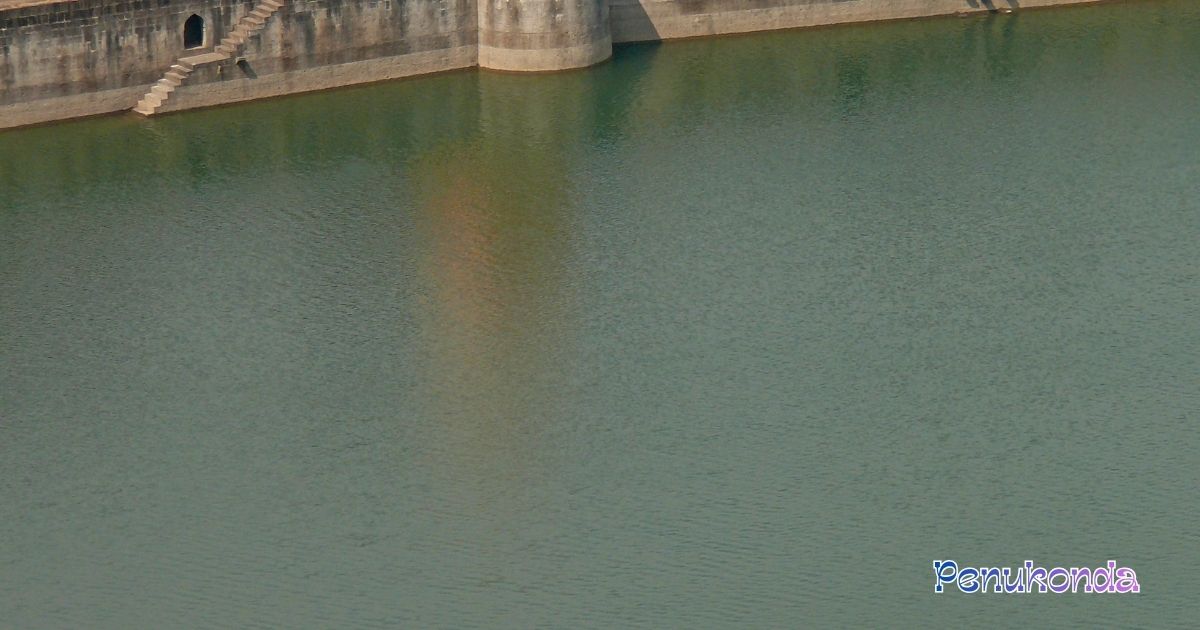
While Penukonda is often admired for its historical structures, its natural surroundings are equally captivating. The town is set against a backdrop of rocky hills, open skies, and wide landscapes that stretch far into the horizon.
At first, the terrain may appear dry and rugged. However, as you spend more time here, its beauty becomes more apparent. The changing colors of the sky, especially during sunrise and sunset, create a stunning contrast against the stone structures.
Moreover, the hills around Penukonda offer opportunities for light trekking. These paths are not overly crowded, which allows you to enjoy the journey in peace. As you climb higher, the view becomes more expansive, revealing the full scale of the region.
A Place for Quiet Reflection – Penukonda
In addition to its visual appeal, the natural environment of Penukonda provides a sense of calm. There is a certain stillness here that is difficult to find in busy destinations. The wind moving through the hills, the distant sounds of village life, and the open space all contribute to this feeling.
Furthermore, the combination of nature and history creates a unique atmosphere. You are not just surrounded by landscapes you are surrounded by stories.
Because of this, Penukonda becomes more than a travel destination. It becomes a place where you can slow down, breathe deeply, and reconnect with both history and yourself.
A Living Town Beyond the Ruins – Penukonda
Even though Penukonda is widely known for its ancient fort and historical importance, it is also a living town where people continue their everyday lives with simplicity and warmth. As you move away from the ruins and step into the residential areas, the atmosphere changes gently. Suddenly, history feels distant, and real life takes center stage.
The local community here is deeply connected to tradition. Families have lived in this region for generations, preserving customs that have been passed down through time. Moreover, daily life moves at a calm and steady pace, unlike the fast rhythm of big cities. Because of this, visitors often feel an immediate sense of ease and familiarity.
Markets in Penukonda are small but lively. Fresh produce, handmade goods, and local essentials are sold in a friendly and informal setting. Although the scale is modest, the experience feels authentic and personal. In addition, conversations between vendors and customers often carry a sense of trust and familiarity that is rare in modern urban spaces.
Festivals That Bring the Town Together
Throughout the year, Penukonda comes alive during festivals. These celebrations are not just religious events; they are community gatherings that strengthen social bonds. Temples become the center of activity, and streets fill with music, color, and movement.
Furthermore, traditional music and dance play an important role during these occasions. Drums, chants, and devotional songs echo through the air, creating an atmosphere of joy and devotion. Even visitors can feel the emotional energy that flows through the town during these times.
Because of this strong cultural rhythm, Penukonda is not just a historical site it is a place where tradition continues to breathe and evolve.
Read also – How to Book a Hotel: A Complete Step-by-Step Guide
Smart Design Hidden Inside Ancient Stones
One of the most impressive aspects of Penukonda is the level of engineering that went into its construction. At first glance, the fort and buildings may appear like simple stone structures. However, when you observe carefully, you begin to notice a highly advanced system of design and planning.
The builders of Penukonda used the natural rock formations to their advantage. Instead of altering the landscape completely, they shaped their structures around it. As a result, the fort appears as though it naturally rises from the hills themselves.
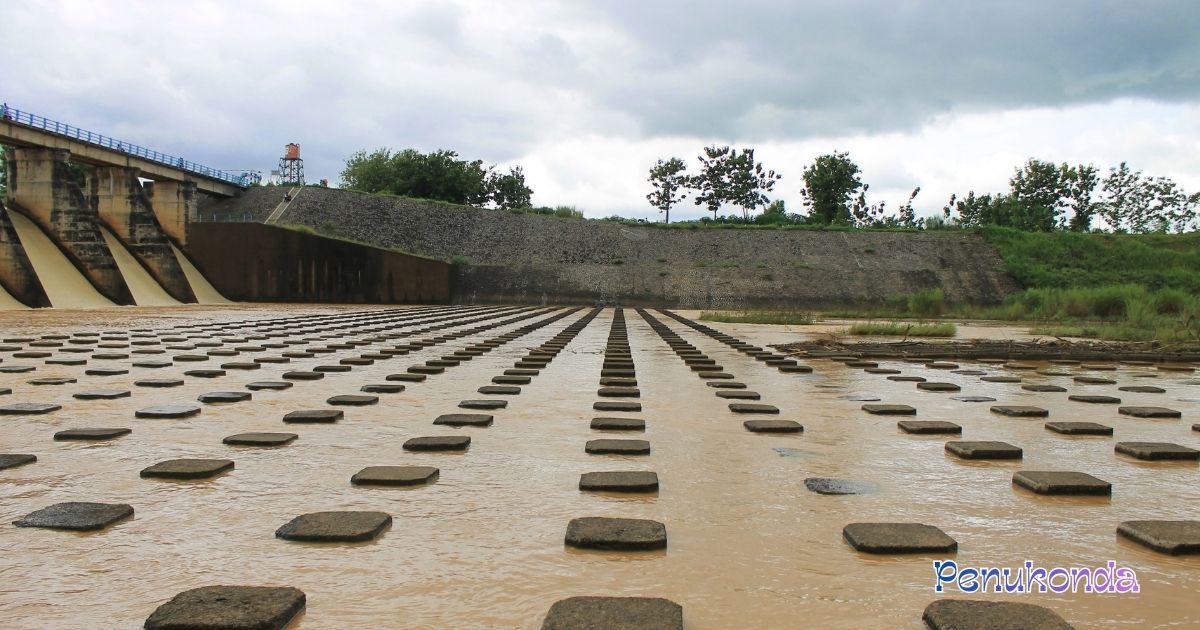
Moreover, water management systems were a key part of the design. Engineers created large tanks and reservoirs to store rainwater, ensuring that the settlement could survive even during dry seasons. This demonstrates not only architectural skill but also long-term planning.
In addition, ventilation and cooling techniques were integrated into buildings like Gagan Mahal and surrounding structures. Thick walls, open corridors, and strategic openings helped regulate temperature naturally. Because of this, the architecture was both functional and comfortable.
A Blend of Strength and Elegance
What makes Penukonda truly remarkable is the balance between strength and beauty. The fort walls are massive and defensive, yet the temples and palaces are delicate and artistic. This combination reflects a civilization that valued both protection and creativity.
Furthermore, the craftsmanship seen in carvings, pillars, and stone layouts reveals the attention to detail that artisans brought to their work. Even today, these structures continue to inspire architects and historians alike.
As you study these elements, you begin to see clearly that builders did not construct Penukonda randomly; instead, they carefully imagined, planned, and executed it with remarkable precision.
A Destination for Slow and Meaningful Travel – Penukonda
In today’s world of fast tourism, Penukonda offers something completely different. It invites you to slow down, observe, and absorb. Instead of rushing from one attraction to another, you are encouraged to simply walk, pause, and experience.
Travelers who visit Penukonda often describe it as peaceful and grounding. Because there are fewer crowds, the connection with the place feels more personal. You are not just seeing history you are stepping into it.
Additionally, photography enthusiasts find Penukonda especially rewarding. The combination of light, stone textures, and open landscapes creates powerful visual compositions. Every corner offers a new perspective, whether it is a broken arch, a distant hill, or a quiet pathway.
Read also – Best Places to Visit in Asia: Complete Travel Guide
Practical Experience and Local Feel
While exploring, visitors can easily spend several hours moving through different sections of the fort and surrounding areas. Comfortable walking shoes are recommended due to uneven terrain. Moreover, carrying water is important, especially during warmer months.
Local guides are sometimes available and can offer deeper insights into the history of the region. However, even without a guide, the site itself communicates its story clearly through its structures and layout.
Because of its calm nature, Penukonda is ideal for travelers who prefer reflection over rush, silence over noise, and depth over distraction.
The Quiet Spaces Most Visitors Never Reach – Penukonda
Beyond the well-known structures of Penukonda lies a quieter world hidden corners that many travelers never fully explore. As you move away from the main fort routes, the landscape gradually becomes more rugged, more silent, and more mysterious. Interestingly, these lesser-visited areas often feel the most untouched by time.
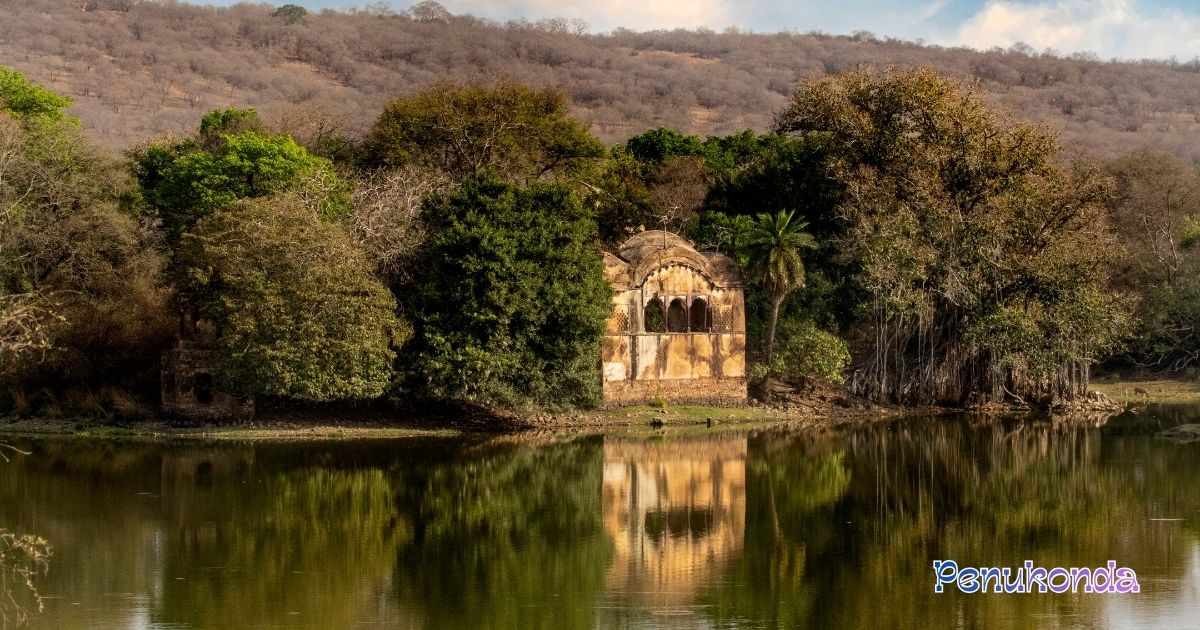
In these spaces, nature slowly reclaims what was once built by human hands. Moss covers stones in patches, pathways narrow into forgotten trails, and time blends old walls into the rocky terrain. However, instead of feeling abandoned, these places carry a gentle sense of harmony between nature and history.
Moreover, these hidden sections reveal how vast Penukonda truly is. The fort was not just a single structure but a complex network of interconnected zones. Builders likely used some areas for storage, positioned others for surveillance, and designed a few for unknown or specialized purposes.
As you explore further, the silence becomes more noticeable. There are no crowds, no noise only wind, stone, and time. Because of this, these areas often leave a deeper emotional impact than the more famous landmarks.
Read also – Casting in Singapore: A Complete Guide for Aspiring Talent
Stories Carried by Stone and Silence – Penukonda
Although not all history is recorded, Penukonda still speaks through its architecture. Locals and historians suggest that many parts of the fort may have served strategic or secret functions during the Vijayanagara period. Over time, however, these stories have become fragments, passed down in whispers rather than written records.
Furthermore, the natural erosion of structures adds another layer of mystery. Cracks in walls, collapsed corridors, and hidden chambers all invite curiosity. Historians explain some of these features, while others remain open to interpretation.
Because of this uncertainty, Penukonda feels alive in a different way. It is not just a preserved monument it is a living puzzle, slowly revealing itself to those who take the time to look deeper.
A Key Link in a Powerful Empire
Penukonda was not chosen as a capital by chance. In fact, its location played a crucial role in shaping its importance. Positioned within the broader network of the Vijayanagara Empire, it acted as a strategic stronghold during times of political instability.
After the major shift following the Battle of Talikota, the empire needed a safe and defensible location to reorganize. Penukonda, with its natural elevation and rocky terrain, provided exactly that. Because of this, it became a temporary but vital administrative center.
Additionally, its location allowed better control over surrounding regions. Roads and trade routes passing through the area allowed officials to monitor movement, which helped maintain economic stability and military readiness. Therefore, Penukonda was not isolated; it played an active role in the functioning of the empire.
Read also – Ubud and Bali: A Complete Guide to Culture, Nature, and Relaxation
Defense, Communication, and Survival
The fort system in Penukonda was designed with multiple layers of defense. However, beyond protection, it also supported communication and coordination across regions. Signal points, watch towers, and elevated positions likely played a role in sending messages across distances.
Moreover, the ability to sustain life within the fort for extended periods made it a reliable fallback center. This combination of defense and functionality highlights the intelligence behind its planning.
Because of these strategic advantages, Penukonda holds a special place in South Indian history as more than just a fort it was a lifeline during uncertain times.
A Place That Speaks Without Words – Penukonda
Perhaps the most unforgettable aspect of Penukonda is not its structures, but its atmosphere. As you stand among the ruins, there is a feeling that cannot easily be described. It is neither loud nor overwhelming. Instead, it is quiet, steady, and deeply reflective.
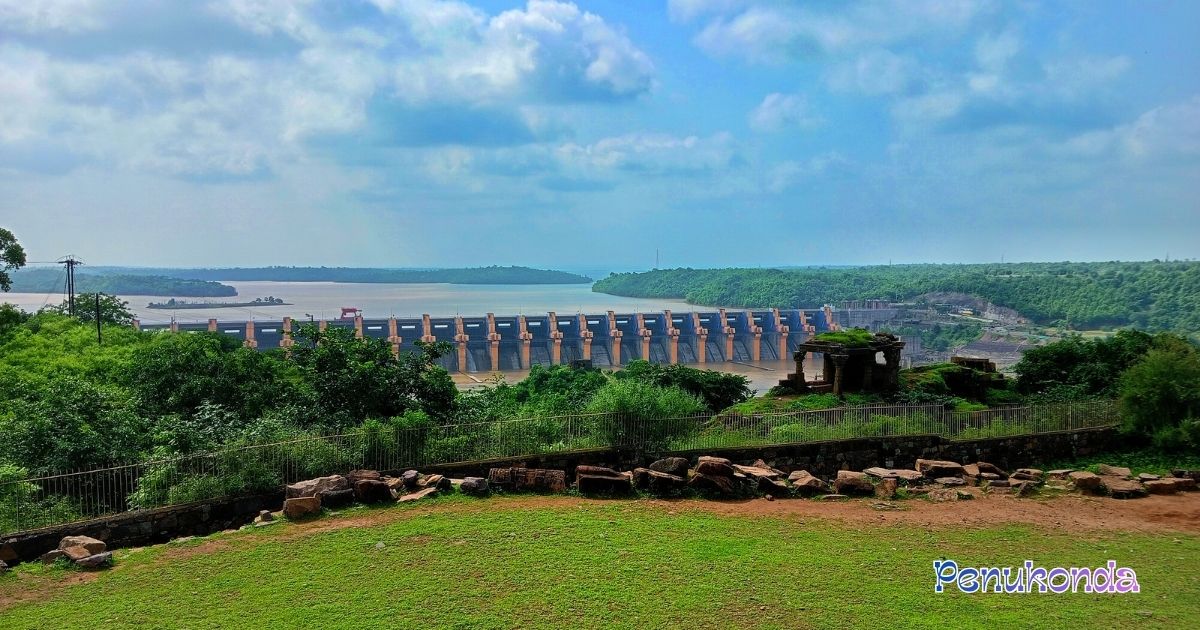
The vast open skies above the fort create a sense of space that feels almost infinite. Meanwhile, the stone beneath your feet carries the weight of centuries. Together, they form a contrast between permanence and emptiness, history and stillness.
Furthermore, the changing light throughout the day transforms the entire landscape. Morning brings softness, midday brings clarity, and sunset wraps everything in warm golden tones. Because of this, every visit feels slightly different, even if the path remains the same.
Read also – Travel Inspiration 2026: Amazing Places Around the World
Emotional Connection Through Place
Visitors often find themselves slowing down naturally in Penukonda. There is no need to rush or follow strict paths. Instead, the environment encourages wandering and observation.
In addition, the absence of modern distractions allows for deeper reflection. You begin to notice small details the texture of stone, the sound of wind, the play of light on ancient surfaces. Gradually, these details create an emotional connection with the place.
As a result, Penukonda becomes more than a historical destination. It becomes an experience of presence where past and present quietly meet without interruption.
Read also – Travel Insurance: Why It Matters More Than You Think
Frequently Asked Questions
Penukonda is located in the state of Andhra Pradesh, near the town of Anantapur in southern India. It sits on a rocky hill region that gives it a naturally strong defensive position.
Penukonda became important after the Battle of Talikota when it served as a temporary capital of the Vijayanagara Empire. It played a key role in the empire’s survival and recovery.
Key attractions include the hill fort, ancient gates and walls, the Gagan Mahal, and several historic temples, including the Sri Lakshmi Narasimha Swamy Temple.
Yes, Penukonda is ideal for travelers who enjoy history, photography, and quiet exploration. It offers a peaceful experience with fewer crowds, making it perfect for slow and reflective travel.
Penukonda stands out because it combines military architecture, royal heritage, and spiritual significance in one location. Its natural rocky landscape and layered fort design also make it unique among Indian hill forts.
Conclusion
Penukonda stands today as far more than an ancient fort town; it represents a living meeting point between history, architecture, nature, and spirituality. Across its layered fortifications, royal structures like Gagan Mahal, sacred temples, and quiet forgotten paths, the town reveals how deeply the past still shapes the present. Every stone, wall, and pathway reflects careful planning, resilience, and a strong sense of purpose that once supported the Vijayanagara Empire during a crucial period of transition.
At the same time, Penukonda continues to breathe through its people and traditions. Local communities preserve rituals, celebrate festivals with devotion, and maintain a lifestyle that keeps cultural memory alive. Meanwhile, the surrounding hills and open landscapes add a natural calmness that enhances the entire experience, allowing visitors to slow down and truly absorb the atmosphere.
Ultimately, Penukonda does not rely on grand crowds or modern attractions to impress. Instead, it offers something deeper silence, presence, and connection. It invites you to walk slowly, observe closely, and feel the quiet dialogue between time and space. In doing so, it leaves a lasting impression that stays with you long after you leave its ancient paths behind.